
The Barkan Range Explained: Classic, Platinum and Superieur
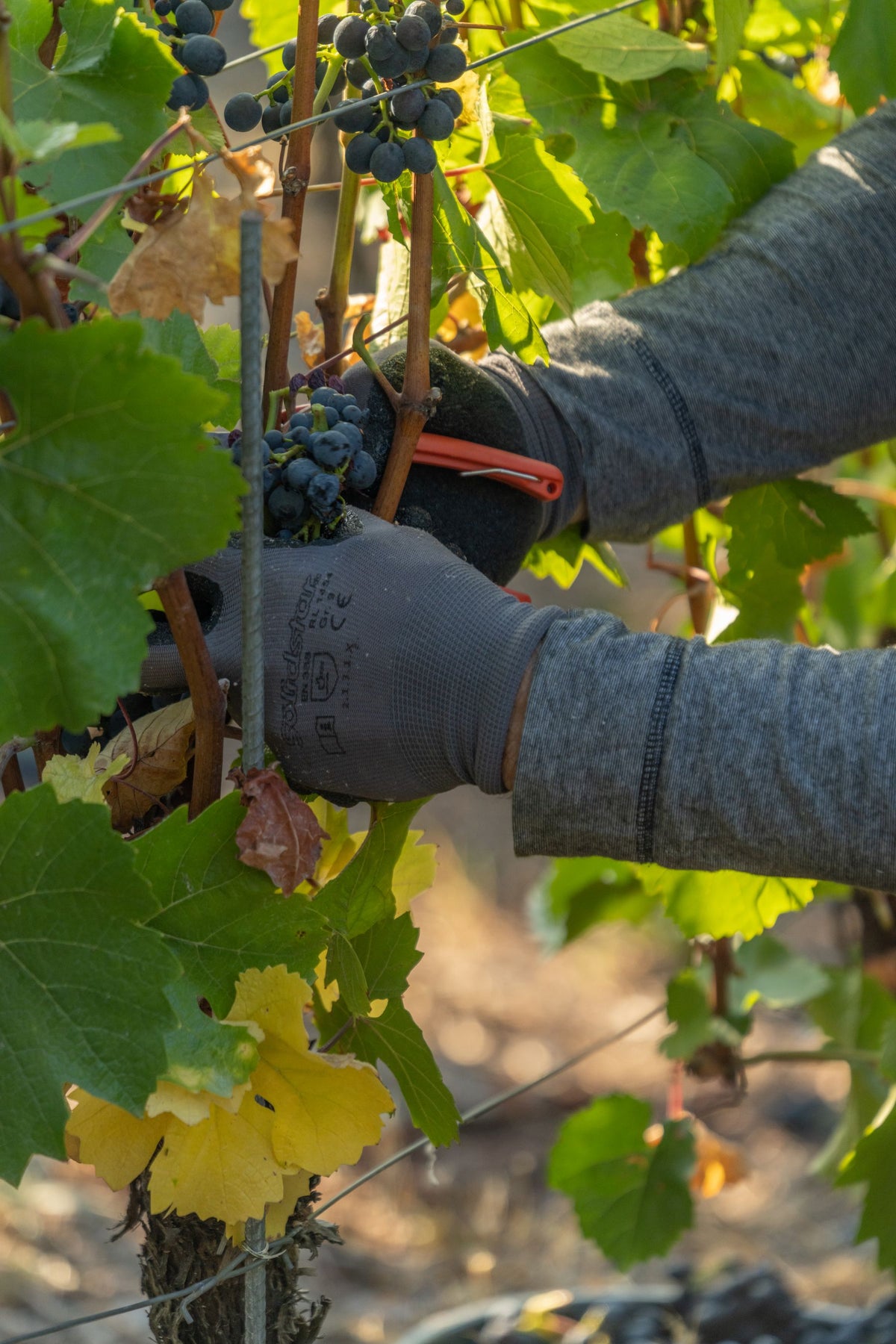
Barkan is one of the most-typed names in our search box, and almost every time the question behind it is the same: the labels all say Barkan, so why does one bottle cost fifteen dollars and another one eighty? The answer is that Barkan sells in tiers, and once you know the three names on the shelf the whole range makes sense.
Who Barkan is
Barkan Wine Cellars started in 1990 and is now one of the two largest wineries in Israel. The winery itself sits at Kibbutz Hulda, between Tel Aviv and Jerusalem, and it draws fruit from vineyards spread right across the country - the Upper Galilee and the Golan in the north, the Judean Hills in the middle, and plantings pushed out into the Negev in the south.
That spread is the reason Barkan can fill a whole price ladder. Cooler, higher vineyards go into the expensive bottles. The warmer, higher-yielding sites feed the everyday range. Same winery, same winemaking team, very different fruit.
Classic - the everyday tier
Classic is the tier most people mean when they say "Barkan." It is built to be opened the day you buy it. No decanting, no waiting, nothing complicated.
What makes Classic worth knowing is how wide it goes. Most entry-level ranges give you a Cabernet and a Merlot and stop. Barkan gives you six:
- Classic Cabernet Sauvignon - the safe one. Blackcurrant, a bit of cedar, firm but not harsh.
- Classic Merlot - softer and rounder, the one to pour for people who say they do not like red wine.
- Classic Pinot Noir - lighter bodied, red fruit rather than black. Good with chicken and with fish that can take a red.
- Classic Shiraz - the dark, peppery one.
- Classic Argaman - see below, because this one is genuinely unusual.
- Classic Sauvignon Blanc - the white, crisp and grassy.
You can see the whole tier on the Barkan shelf.
Argaman, the grape you will not find anywhere else
Argaman is worth a paragraph of its own because it is Israel's own invention. It was bred at the Volcani Institute by crossing Carignan with Souzao, a Portuguese port grape, and the goal was deep colour and volume in a hot climate. The name means "crimson" in Hebrew, and the wine delivers on it - it is inky, soft, low in obvious tannin and faintly sweet-edged in the way a lot of warm-climate reds are.
It is not a serious, ageable wine and it is not trying to be. It is a very easy pour for a table with mixed tastes, and at fifteen dollars it is the cheapest way to drink something you cannot get from France, Italy or California. If you want more background on how tannin shapes the way a red feels, we covered that in what tannin actually is.
Platinum - the step up
Platinum is where Barkan starts treating the wine differently. The Platinum Cabernet Sauvignon costs more than Classic, and the money goes into selected vineyard blocks and real time in oak barrels rather than the quick, clean handling the Classic tier gets.
In the glass that shows up as more concentration and more grip. It is darker, tighter and slower to open - give it half an hour in the glass or twenty minutes in a decanter and it changes noticeably. This is the Barkan to bring when you want the bottle to be noticed but you are not spending eighty dollars.
There is also a Platinum Cabernet in magnum. A 1.5L magnum is two bottles in one, so it is barely a premium per glass, and it is the single easiest way to make a Yom Tov table look like an occasion. If you are working out how much to buy for a crowd, our guide to how much wine a simcha needs does the arithmetic.
Superieur - the top of the range
The Superieur Cabernet Sauvignon is a different proposition altogether. This is fruit from Barkan's best blocks, long barrel ageing, and a wine built to be cellared rather than drunk on a Tuesday.
Open it young and you will taste oak and structure before you taste fruit. Give it air - an hour, honestly - or give it a few years lying down, and it fills out into something dense and long. If you are buying it for a birthday or an anniversary rather than for this Shabbos, that is exactly the right instinct. Our notes on storing wine properly apply here more than anywhere else in the range.
The small bottles
Two sizes people miss: Classic Cabernet comes in a 375ml half bottle and a 187ml single serve. The half bottle is right for two people who want one glass each. The 187ml is what you want for a kiddush where you are pouring for a lot of people out of a lot of little bottles, or for sending wine along with a meal. We break down every format in wine bottle sizes explained.
So which one
Buy Classic if you are filling the table and want six different grapes for under a hundred dollars. Buy Platinum if one bottle has to carry the meal. Buy Superieur if the bottle is the present.
The whole range is on the Barkan collection, and if you want to see how it stacks up against the rest of the country, the Israeli red shelf is the wider view - or read our pick of the best Israeli reds and the guide to Israel's wine regions, which explains why Galilee fruit tastes different from Judean Hills fruit. For another Israeli house with a similar ladder, Yarden is the obvious comparison.