
What Is French Colombard? The Grape Behind Israel's Everyday Whites
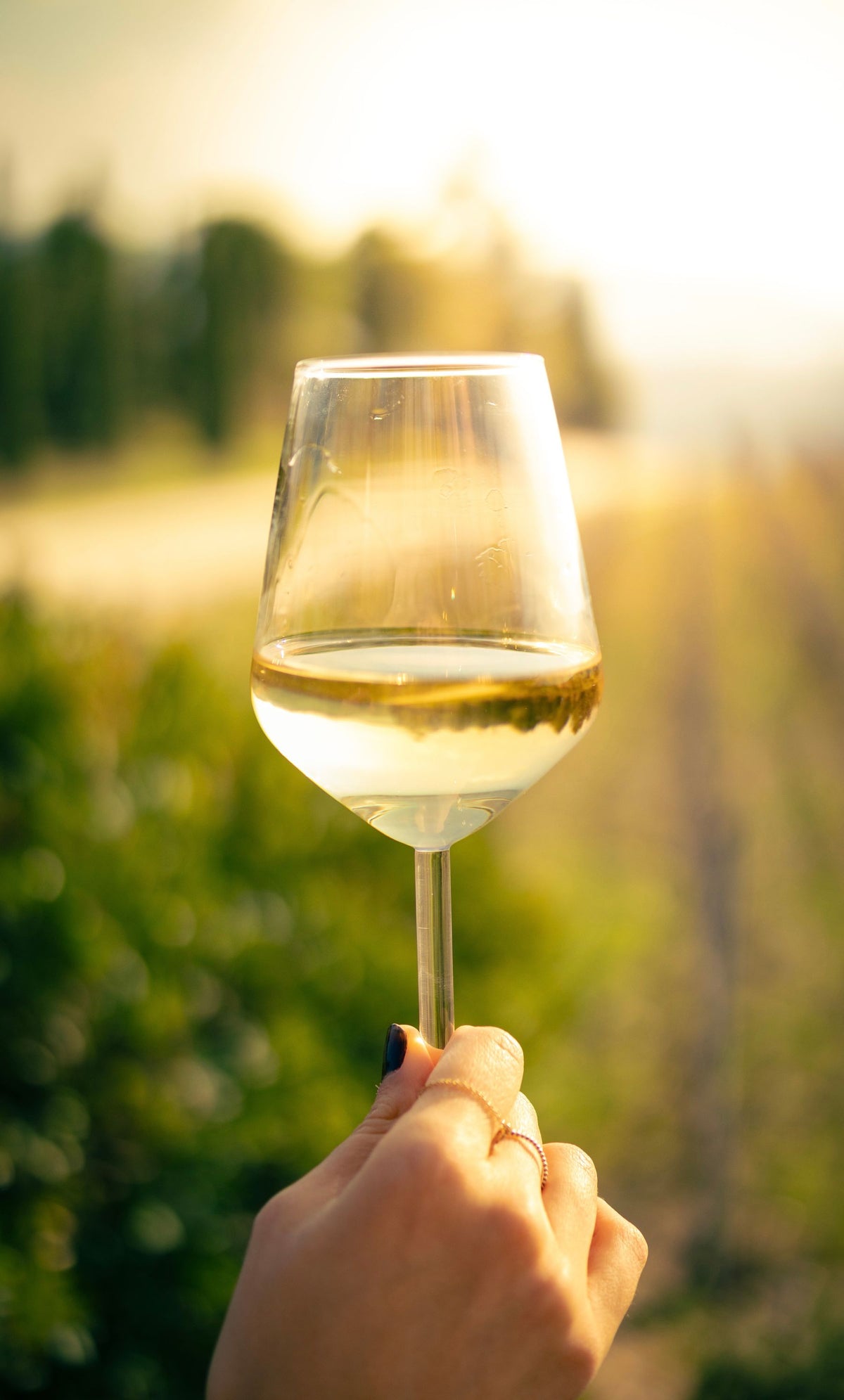
French Colombard is one of the most widely planted white grapes in the world and almost nobody drinks it on purpose. That is not an insult. It is a blending grape, and a very good one — the grape that other grapes borrow acidity from. If you have opened an easy Israeli white in the last year, there is a fair chance Colombard was doing quiet work in it.
It is a French grape by birth, from the Charente in the south-west, where its original job was not wine at all: it was one of the grapes distilled into Cognac and Armagnac. Then it travelled, and it turned out to be extremely good at the one thing hot countries struggle with.
The quick answers
| Question | Answer |
|---|---|
| What is it | A white wine grape, usually blended |
| Where it is from | Charente, south-west France |
| Also called | Colombard, Colombar |
| Taste | Dry, citrus and green apple, high acidity |
| Original use | Base wine for Cognac and Armagnac |
| Where you find it now | Israel, South Africa, California, Gascony |
| Price on our shelf | $14.99 to $21.99 |
The wines are here: French Colombard.
What it tastes like
On its own, Colombard is dry, light-bodied and sharp. Think lemon and lime zest, green apple, white peach and sometimes a grassy or faintly tropical note. The alcohol stays low, usually 11.5% to 12.5%. It almost never sees oak, and it is not meant to be aged: Colombard is at its best young and cold.
The word that matters is acidity. Colombard holds onto its acid even when it ripens in heat, and that is its whole professional value. A grape that keeps its acid in a hot vineyard is a rescue service for grapes that lose theirs, which is exactly why you find it in Israel.
Why Israeli wineries plant it
Israel is warm. Warm vineyards grow ripe, generous fruit, and ripe fruit means lower natural acidity, which in a white wine reads as flabby — the wine tastes sweetish and a bit shapeless even when it is technically dry. Chardonnay in particular can get fat in heat.
Blend in some Colombard and the wine gets its spine back. The citrus lift arrives, the finish tightens, and the whole thing tastes fresher without anybody having to add anything. That is the trade: Chardonnay brings the body, Colombard brings the lift. It is the same logic as a squeeze of lemon on a rich piece of fish.
This is also why Colombard rarely gets its own label. It is doing structural work, not showing off. If you want the grapes that do show off, read what is Chardonnay and what is Sauvignon Blanc.
The bottles we have with Colombard in them
| Bottle | The blend | Mevushal | Price |
|---|---|---|---|
| Recanati Yasmin White | 65% Emerald Riesling, 20% Sauvignon Blanc, 15% French Colombard | Yes | $14.99 |
| Segal Fusion White Blend | 65% Chardonnay, 35% Colombard | Yes | $16.99 |
| Vitkin White Israeli Journey | Multi-grape blend including French Colombard, Viognier, Roussanne, Grenache Blanc and Gewurztraminer | No | $21.99 |
Segal Fusion, $16.99 — the clearest example
If you want to taste what Colombard does, this is the bottle to buy, because the blend is simple enough to read: 65% Chardonnay, 35% Colombard and nothing else. Chardonnay for body, Colombard for lift, as Segal more or less says themselves. Fresh pear, green apple and a citrus lift on the nose, soft and lightly rounded on the palate, clean short finish. It is 12.5%, mevushal, from the Galilee Heights, and the listing records OU-P and Kosher for Passover: yes. Chill it hard and pour it freely with grilled fish, a dairy Shabbos lunch, salads or schnitzel.
Recanati Yasmin White, $14.99 — the everyday bottle
Colombard is the smallest part here at 15%, behind Emerald Riesling and Sauvignon Blanc, and it is doing the same job in a softer wine. Tropical fruit on the nose, layered fruit and a bright acidic spine on the palate, clean refreshing finish. 13.5%, mevushal, OU, Kosher for Passover. This is the Wednesday-night and kiddush-spread bottle, and at fifteen dollars it is hard to argue with. Emerald Riesling is itself worth knowing about — it is a California-bred crossing that became an Israeli staple for much the same heat-related reasons — and the parent grape is covered in what is Riesling.
Vitkin White Israeli Journey, $21.99 — the serious one
The most ambitious of the three and the only one that is not mevushal. Colombard sits in a crowd here alongside Viognier, Roussanne, Grenache Blanc and Gewurztraminer. It is aged on lees in stainless steel for three months, and part of the Viognier, Roussanne and Grenache Blanc was fermented in new French oak for two months before blending, which gives it a texture the other two do not have. 12.5%, dry, Kosher for Passover. Good with pasta, white meat and soft cheese.
If mevushal matters at your table — and for a lot of simchas it does — the difference is explained in mevushal versus non-mevushal, and the full shelf is in Mevushal.
Colombard, Colombar, French Colombard
Three names, one grape. Colombard is the French spelling, Colombar is how it is commonly written in Israel and South Africa, and French Colombard is largely an American label habit from California, where it was planted in enormous quantity for bulk and brandy production. On our listings you will see it both ways, which is why Segal's label says Colombard and Recanati's says French Colombard. Nothing is different in the glass.
How to serve it
Cold — properly cold, 45 to 48 degrees, colder than you would serve a good Chardonnay. Colombard blends are built on freshness and warmth kills the thing you bought them for. A plain white wine glass is fine; this is not a wine that needs a big bowl.
Drink them young. A bottle of Segal Fusion or Yasmin White is at its best within a year or two, and there is no reward for keeping it. Open it, chill it, finish it.
What it goes with
The high acidity makes these natural food wines, and they are especially easy on a Shabbos table where the menu is not one thing. Grilled or baked fish, salmon, schnitzel, roast chicken, salads with a sharp dressing, mezze, soft cheeses and dairy lunches all work. The acid cuts oil and salt, which is also why it handles fried food better than a rounder white would.
What it does not do is stand up to a heavy meat meal — that is a red wine's job, and the pairing logic is in kosher wine and meat pairing.
Where to go next
If you like what Colombard does in a blend, the grapes to try next are Sauvignon Blanc for more of the same sharpness on its own, and Pinot Grigio for something lighter still. The three-way comparison is in Sauvignon Blanc versus Chardonnay versus Pinot Grigio. For more on where these wines come from, see the Israeli wine regions guide.
Browse the shelf: French Colombard, Kosher Israeli White Wine, or all of Kosher White Wine. Everything here is under twenty-two dollars, and more at that money is in the best kosher wine under $20. We ship everywhere in the country.