
Lychee Wine, Lychee Moscato and Lychee Sake: What's the Difference?
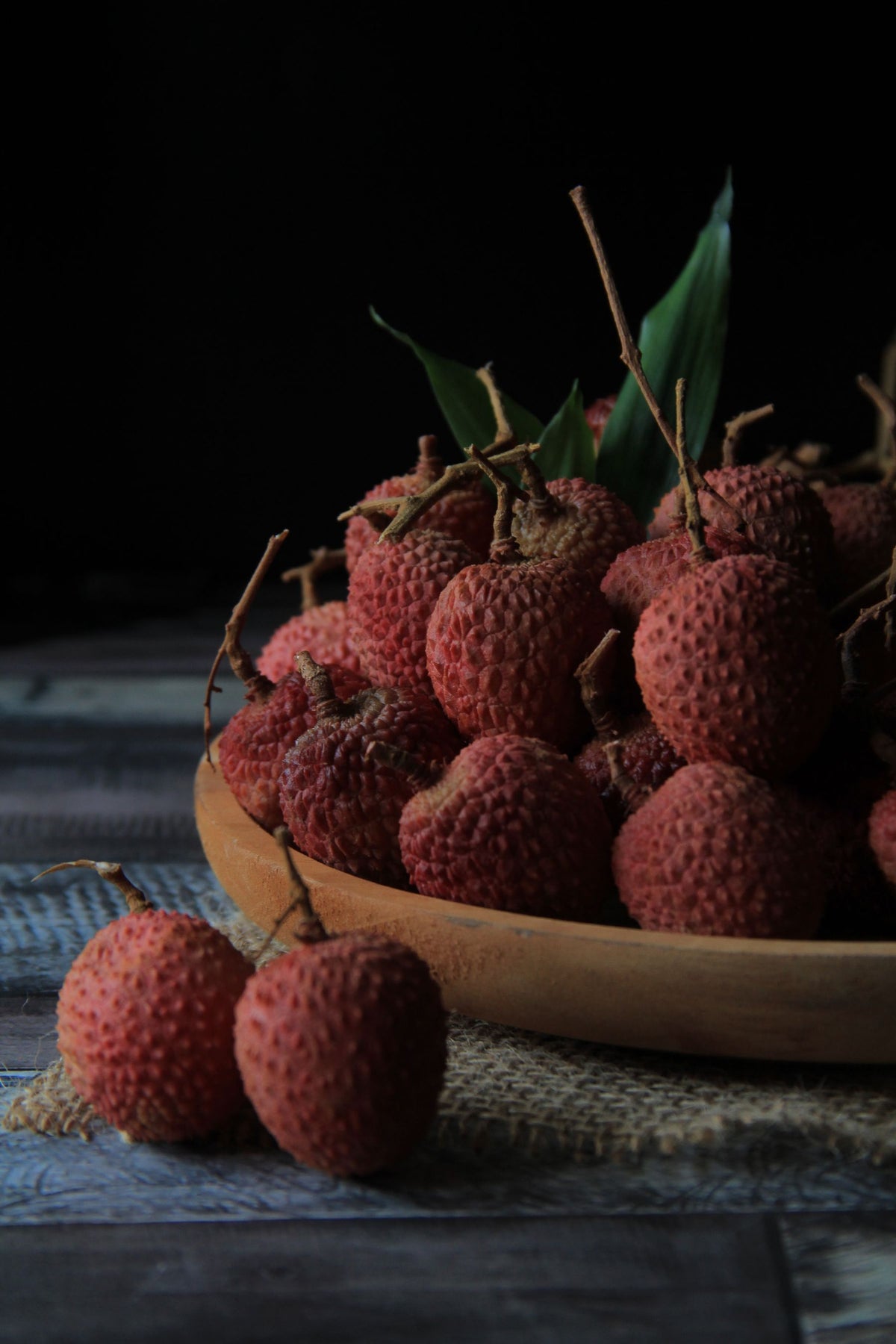
Lychee turns up on our shelf in four completely different bottles, and they are not variations on one drink. One is an Italian sparkling moscato in a can. One is a Japanese sake. One is an Israeli fruit wine. One is arak. They taste different, they cost different money, and they belong at different points in an evening. Here is which is which.
Shop the bottles: see every bottle in Kosher Moscato.
Why lychee works in a drink at all
Lychee has a flavour that wine people already recognise, even if they have never eaten the fruit. It is floral in a rose-petal way, tropical without being heavy, and sweet in a perfumed rather than a syrupy sense. That is very close to what the muscat grape does on its own, which is why lychee and moscato sit together so naturally, and why lychee is the tasting note people reach for when they describe Gewurztraminer.
So a lychee drink is rarely a novelty. It is usually pushing a flavour the base already had.
Bartenura Lychee Moscato - the fizzy one
Bartenura Lychee Moscato in cans is $16.99 for a four-pack of 250ml cans. It is the blue-bottle Bartenura moscato you already know, dosed with lychee, gently sparkling, and softly sweet.
Fresh lychee and white rose come up first, then the ripe muscat grape underneath, then honeyed peach and a citrus snap on the way out. The finish is short and clean, which is the point - it is built to be refilled.
Buy this one if you want fizz, if you want single serves for a picnic or a kiddush without opening a bottle, or if you are pouring for people who like their wine sweet and do not want a lecture about it. If you want the full range from the same house, the Bartenura brand guide covers it, and is moscato sweet answers the question people actually have before they buy.
Hana Lychee Sake - the driest of the four
Hana Lychee Sake is $15.99 for the 750ml. It comes out of Yaegaki's long-standing brewery in Hyogo, Japan - a junmai sake base infused with lychee, served cold or over ice.
This is the one to reach for if the word "sweet" puts you off. It is off-dry rather than sweet: ripe lychee and rose petal on top, but a clean sake spine underneath and steamed rice sitting behind the fruit. Light-bodied, perfumed, and genuinely refreshing rather than rich.
It is the obvious bottle for sushi night, and it handles Thai food and lemongrass chicken better than any sweet wine will. If sake is new to you, start with what is sake, then look at the rest of the sake shelf - Hana also does a Fuji Apple at $15.99 and a Raspberry at $14.99.
Morad Lychee - the sweet Israeli fruit wine
Morad Lychee Wine is $24.99 for the 750ml, made at the Morad winery in Yokneam from lychee rather than grapes. It is 10% alcohol, which is low, and it is properly sweet.
Fresh lychee, rose petal and a lift of white peach, silky the whole way across, soft and clean at the end. Because it is a fruit wine and not a grape wine, it tastes more directly of lychee than the moscato does - there is no muscat grape sitting in front of it.
This is the Kiddush bottle of the four. Ice cold, with sushi or on its own. Morad does the same trick with passion fruit and wild berries, both $24.99, and the whole Morad range is worth a look if sweet is what your table drinks.
Miami Arak Lychee - the one that is a spirit
Miami Arak Lychee is $26.99 and belongs in a different conversation entirely. Arak is the aniseed spirit of the eastern Mediterranean, and this is a lychee-flavoured version at 16% alcohol - far stronger than the other three, and anise-led rather than fruit-led.
Pour it the way you would pour any arak: a small glass, cold water added, and it turns cloudy white. If you have never done that, the arak guide explains the whole thing.
So which one
Want bubbles and single serves - the Bartenura cans at $16.99. Want the least sweet thing on this page, and sushi - Hana Lychee Sake at $15.99. Want a sweet bottle for Kiddush or dessert - Morad Lychee at $24.99. Want a real spirit with lychee in it - Miami Arak at $26.99.
All four are on the shelf and all four ship. If you are still deciding how sweet you actually want to go, dry vs sweet wine is the piece to read first.
Ready to pick one? Browse Kosher Moscato.