
The Or Haganuz Range Explained: Eight Bottles from Mount Meron
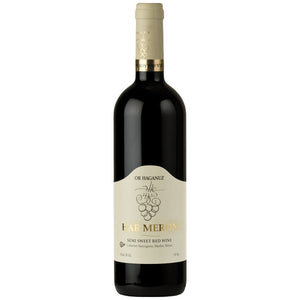
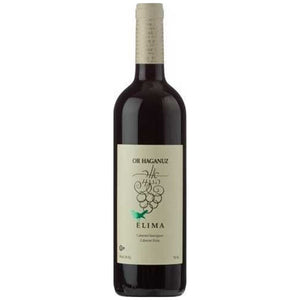
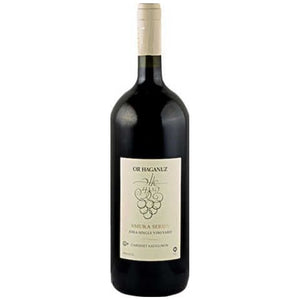
Or Haganuz is the winery people on our site look up by name, it is one of only three terms anyone has typed into our search box in the last two months, and it is also one of the few Israeli producers where the story behind the bottle is genuinely the point.
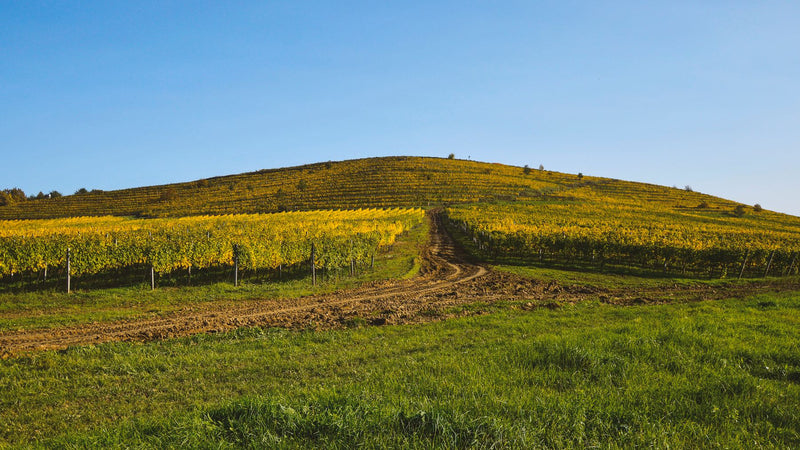
The winery sits at the foot of Mount Meron in the eastern Upper Galilee, in a village founded by Chassidic families who came to farm and to learn. The name means "the hidden light." There are eight bottles on our shelf, from a light red built for kiddush to a port-style dessert wine aged three years in oak outdoors. Here is what each one is and which one you actually want.
The range at a glance
| Bottle | Style | Alcohol | Hashgacha |
|---|---|---|---|
| Amuka Light | Light semi-dry red | 9% | OU-P |
| Amuka Rosé | Dry rosé, mevushal | 12.5% | OU-P |
| Har Meron | Semi-sweet port-style red | 15% | OU |
| Marom Cabernet Franc | Single-vineyard dry red | 14.5% | OU |
| Elima | Dry Cabernet blend | 14% | OU |
| Har Sinai Pisga | Sweet dessert red | 15% | OU |
| Amuka Cabernet (1.5L) | Dry red magnum | 14.5% | OU |
Two things to notice before anything else. Every bottle is OU, and all but one record Kosher for Passover. And the range splits cleanly down the middle: Amuka is the everyday tier, Marom and Har Sinai are the serious end.
Amuka: the everyday tier
Amuka is named for the village near Tzfat, and it is where most people should start.
Amuka Light is the one we would hand to someone who says kiddush wine is either too sweet or too strong. It is 9% alcohol, semi-dry, red berry and cherry with a soft floral lift and a short clean finish. Nine percent is the whole idea: it is the bottle that lets you keep talking after the third cup. If you have been buying grape juice for the people at your table who cannot manage a 14% red, try this instead.
Amuka Rosé is dry, 12.5%, strawberry and red cherry with a citrus lift. The detail worth knowing is that it is mevushal and dry at the same time, which is a rarer combination than it sounds: most mevushal rosé on the shelf leans sweet. That makes it the bottle for a catered simcha or a table where somebody else is pouring. If that distinction is new to you, mevushal versus non-mevushal explains when it matters and when it does not.
The third Amuka is a Cabernet Sauvignon magnum: 1.5L, 14.5%, blackcurrant and cedar with firm tannin. One magnum pours roughly what two bottles pour, so it is the format for a long yom tov table rather than a quiet Tuesday.
The dry reds: Elima and Marom
Elima is the Cabernet Sauvignon and Cabernet Franc blend, 14%, medium-bodied and properly dry. Red and black currant with a leafy herbal note that comes straight from the Franc. Do not serve it warm; the herbal edge is the best thing about it and heat flattens it. Roast chicken, herbed lamb, grilled vegetables: good for a Friday night that is not all brisket. One honest note: our listing for Elima records a hashgacha of OU but does not record a mevushal or Kosher for Passover status. If you need either for this specific bottle, ask us before you buy.
Marom Cabernet Franc is the one a wine person in the family will notice. It is a varietal Cabernet Franc, not a blend, from the Eviatar plot on terra rossa soil, and varietal kosher Cab Franc is a thin category. Ripe blackcurrant, red bell pepper, a graphite note, fine drying tannin, and a mineral grip on the finish. Grilled lamb, herb-crusted rack, roast duck, anything with mushrooms. It is the most interesting bottle in the range for the money.
The sweet reds: Har Meron and Har Sinai
This is where Or Haganuz does something few Israeli wineries attempt, and it is worth understanding the difference between the two.
Har Meron is a semi-sweet Bordeaux-Shiraz blend aged ten months in oak left outdoors. Blackberry, dried fig, dark cherry, vanilla and baking spice. Full-bodied and jammy, but it has real oak and real grip underneath, so it reads as a wine rather than a syrup. This is the kiddush pour for a house that likes sweet red and has got tired of the thin ones. Cholent, sweet challah, dark chocolate.
Har Sinai Pisga is the flagship: 80% Cabernet Sauvignon, 20% Merlot, 36 months in French oak, bottled sweet in a port register. Dried black plum, red raisin, clove, peppery chocolate, full and velvety with a long distinctive finish. Three years in oak is what keeps it savoury underneath the sweetness, and that is the difference between a dessert wine and a sugar bomb. Pour it in small glasses after a yom tov meal with dark chocolate, honey cake or cheesecake. If port-style wine is new to you, what is port wine covers how the style works.
Which one to buy
- Kiddush, and you want everyone to manage a full cup: Amuka Light.
- A catered simcha where someone else pours: Amuka Rosé. Mevushal and dry.
- Sweet red that still tastes like wine: Har Meron.
- The bottle a wine person will remember: Marom Cabernet Franc.
- A dry red for a full Shabbos main course: Elima.
- A gift, or the end of a yom tov meal: Har Sinai Pisga.
- A long table with a lot of people at it: the Amuka Cabernet magnum.
Browse the full Or Haganuz shelf, or read more on where these wines come from in our Israeli wine regions guide and the best Israeli red wines. We deliver everywhere in the country, with free shipping on orders $150+ in the lower 48.