
Rosh Hashana Wine Gifts: What to Actually Bring
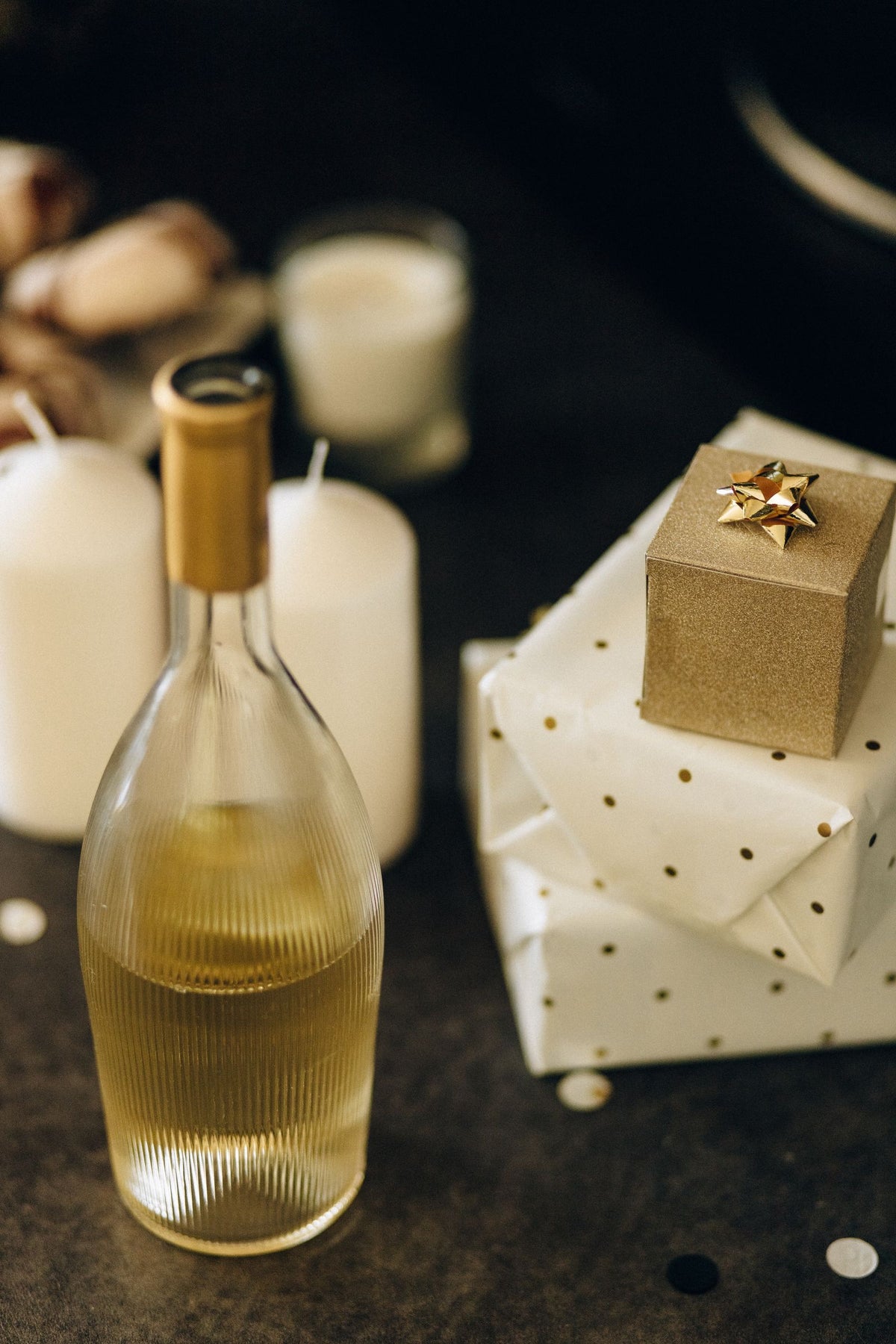
Bring a bottle the host can open that night. That one rule sorts out most of Rosh Hashana wine gifting, because the best gift is not the most impressive label, it is the bottle that actually gets poured while everyone is still at the table.
Think about what the kitchen looks like on erev yom tov. There is a brisket resting, a soup that needs one more taste, and somebody's kid is asking about the honey. Your host is not going to study a back label. They are going to look at what you handed them, decide in two seconds whether it belongs on the table tonight, and either open it or put it on the shelf behind the coffee. Everything below is about landing in the first category.
What makes a good Rosh Hashana wine gift?
Four things, in this order.
- It can be served immediately. No decanting ritual, no "this needs another two years."
- It fits the food. Rosh Hashana tables run sweet at the front and rich at the back. Honey and apples, then a heavy main.
- It survives a crowd. If you do not know who is pouring, that matters. More on this below.
- It looks like a gift. Not fancy. Just intentional.
Notice what is not on that list: rarity. Nobody at a yom tov table is scoring your bottle. The wine that gets remembered is the one that was open and cold when people sat down.
Should you bring sweet wine for Rosh Hashana?
Bring one, not four. The sweet bottle is the one that matches the night's whole theme, the apples and the honey and the wish for a sweet year, and it is the bottle the people who do not drink much will actually finish. But a table of only sweet wine falls apart the moment the meat arrives.
The classic answer is Bartenura Moscato, and it is classic for a reason. It drinks like cold peaches and a little orange blossom, sweet without being syrupy, and it is usually gone before the soup is cleared. If you want the same idea with bubbles, Bartenura Asti does the job and makes the pour feel like an occasion.
For something less expected in the same lane, Baron Herzog Jeunesse Black Muscat is a sweet red, which surprises people who assume sweet means white. It reads beautifully next to honey cake.
We wrote a fuller breakdown of the sweet side of the table in our guide to sweet wine for Rosh Hashana if you are building the whole lineup rather than bringing one bottle.
What to bring, by the table you are walking into
| The situation | What to bring | Roughly |
|---|---|---|
| Your in-laws, first time | Something sparkling. It gets opened, and it says you thought about it. | $19 |
| A big family table, many hands | A crowd-friendly sweet white plus one dry red | $14 to $20 |
| The host who actually knows wine | A dry red with some structure, not a sweet bottle | $20 to $30 |
| A quiet table of four | A dessert wine. There is finally room for it. | $25 |
| You have no idea | Sweet white. It is never wrong. | $14 |
If you want one bottle that covers the widest range of tables, Herzog Selection Rosé Brut is the safest interesting choice. Sparkling rosé is dry enough for the people who want dry, festive enough for the people who want festive, and it looks like a gift without costing like one.
What if the host already has plenty of wine?
Then bring the bottle they would not buy for themselves. Most people stock the table and skip dessert, so a late harvest wine is the gap in almost every kosher wine rack. Herzog Late Harvest Chenin Blanc comes out after the meal, when the table has thinned to the people who want to keep sitting, and it turns the last half hour into its own thing.
That is the generous version of a wine gift. Not adding to the pile, adding the part that was missing.
And if the main course is the whole point?
Then skip sweet entirely and bring a red that can stand next to brisket. Herzog Lineage Cabernet Sauvignon is the honest middle of the market, dark and firm enough to hold up to a heavy plate without demanding a conversation about itself. It is the bottle that quietly makes the food taste better, which is the highest compliment a yom tov red can earn.
Does it need to be mevushal?
It depends entirely on who will be handling the bottle, not on the wine's quality. If the meal has non-Jewish help serving, or you simply do not know who will be pouring at a table of forty, mevushal removes the question. If it is family in a family kitchen, it is usually not a concern.
The short version: mevushal is about circumstances, not about the wine being lesser. Our explanation of mevushal and non-mevushal covers when it matters and when it genuinely does not, and it is worth two minutes before a big simcha.
How much should you spend on a Rosh Hashana wine gift?
Between fourteen and twenty five dollars covers nearly every situation honestly. Below that, you are usually paying for a label rather than the wine. Above thirty, you are buying for yourself and hoping they notice.
The exception is a host you are genuinely thanking for something, in which case spend what the thanks is worth and do not think about it again.
If you are the one hosting rather than the one arriving, the math changes completely, and our wine planning guide for a simcha will tell you how many bottles you actually need.
Frequently asked questions
How many bottles should I bring to a Rosh Hashana meal?
One is a gift. Two is a gift if one is sweet and one is dry, which gives the host a choice. Three starts to look like you are stocking their house, which is generous but changes the gesture.
Is it rude to bring wine the host will not open that night?
Not at all, but say so. "This one is for whenever" takes all the pressure off, and it means a good bottle does not get opened in a rush next to soup.
What should I bring for the second night?
Something different from the first. If night one was sweet and sparkling, night two wants a dry red. The second night of yom tov is usually the calmer meal, so it is the better night for a wine people will actually sit with.
Can I bring the same bottle every year?
Yes, and there is something quietly good about it. Becoming the person who always brings the blue bottle is a small tradition, and traditions are the whole point of the night.
What if the host does not drink?
Bring it anyway if it is a yom tov table, because kiddush still needs wine and the bottle will be used. If you would rather not, sweet wine is still the safest choice, since it is the one guests who rarely drink will actually enjoy.
Whatever you carry in, hand it over cold. A gift that is ready to pour is a gift twice.
Our Rosh Hashanah top picks
Twenty-four sweet and semi-sweet kosher wines for kiddush, the simanim and the yom tov table: hand-picked, all in stock.
Shop Best Kosher Wines for Rosh Hashanah
Also browse all Rosh Hashanah wines and Rosh Hashanah wine gifts.