
Domaine du Castel: The Five Bottles from the Judean Hills, Explained
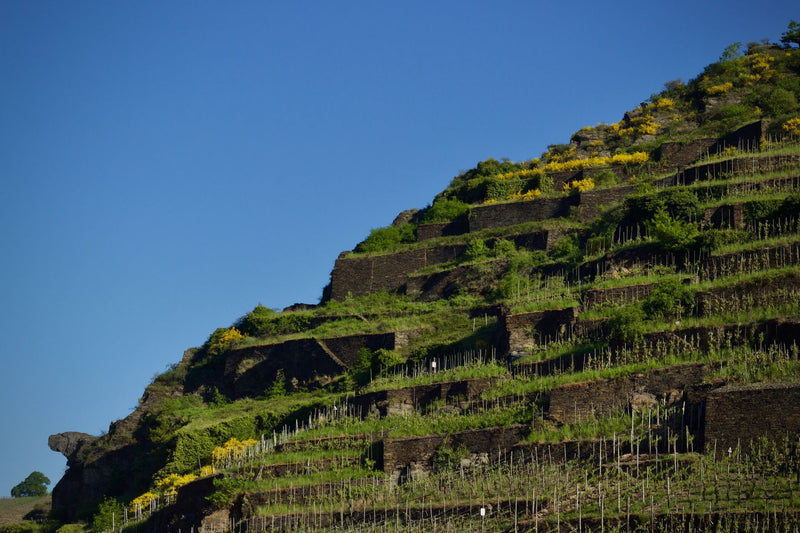
Domaine du Castel is the winery that changed what the world thought Israeli wine could be. Eli Ben-Zaken planted vines on the terraces at Ramat Raziel, in the hills west of Jerusalem, and started making a Bordeaux blend the Bordeaux way. That was the whole idea, and it worked.
Five Castel bottles sit on our shelf, from the second labels up to the flagship. People search for them under a lot of names, so here is the straight version: what each bottle is, where it sits in the hierarchy, and which one you actually want.
The five bottles
| Domaine du Castel La Vie Rouge | See today's price | Red, second label |
| Domaine du Castel Rosé | See today's price | Dry rosé |
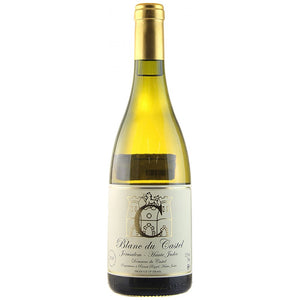
| Domaine du Castel C Blanc | See today's price | Chardonnay |
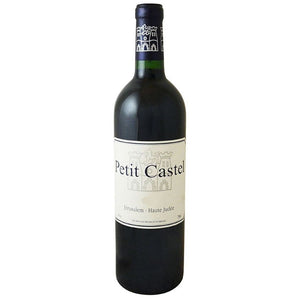
| Castel Petit Castel | See today's price | Red, second wine |
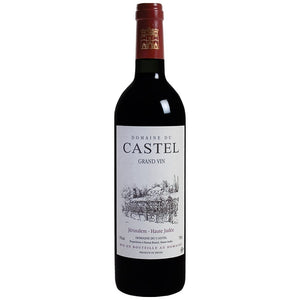
| Domaine du Castel Grand Vin | See today's price | Red, the flagship |
Where the wine comes from
The estate is in the Judean Hills, at around 2,400 feet, on terraced ground west of Jerusalem. Altitude is the whole story here. Israel is a warm country, and a lot of its reds taste like a warm country: ripe, broad, high in alcohol. Up on those hills the nights drop cold, the fruit hangs longer, and what you get is structure and a mineral edge rather than sheer ripeness.
The labels say Jérusalem, Haute Judée instead of an appellation, because Israel does not have an appellation system to name. That is not marketing shorthand. It is the producer telling you exactly where the grapes grew when the law gives them no official way to say it. For the wider map of Israeli wine country, we put it together in our guide to Israel's wine regions.
Domaine du Castel Grand Vin
The flagship, and the bottle that built the reputation. A Bordeaux blend off the Ramat Raziel terraces, estate bottled, 14% alcohol, carrying Badatz Edah HaChareidis.
Cassis, graphite and cedar with a floral lift sitting underneath. Full and tightly wound across the palate, fine-grained tannin, real length, and a long mineral finish with a cedar edge. It is not a bottle that shows everything the moment you pull the cork.
Decant it an hour ahead or lay it down. This is the one on the list built to be kept. Standing rib roast, lamb, aged beef, the head of the table on Yom Tov.
Castel Petit Castel
The second wine, and the textbook case for why second wines are worth buying. Same Bordeaux blend of Cabernet Sauvignon, Merlot and Petit Verdot, hand-harvested off low-yielding vines, sixteen months in French oak. It is "little" only by name.
Blackcurrant, dark plum, cedar, graphite, a thread of dried herb. Full-bodied and dry with polished tannins, cassis and black cherry on a chalky frame, oak spice folded in rather than laid over the top. The finish is long, mineral and savory with a tobacco-leaf afterglow.
Shabbos prime rib, slow-braised lamb shoulder, mushroom cholent, aged kashkaval. Decant an hour. Built to age. If the term second wine is new, we explained the whole Bordeaux hierarchy in what Grand Vin means.
Domaine du Castel La Vie Rouge
Castel's second label, and the cheapest honest way into the estate. A fresh, balanced Bordeaux blend aged mostly in concrete tanks with some French oak, so the fruit reads clean and forward without heavy wood on it.
Bright ruby. Red and dark cherry, soft cedar, a quiet floral note that is unmistakably the house signature in compact form. Cabernet carries the structure, Merlot rounds out the middle, Petit Verdot adds the leafy lift. Medium-to-full with rounded tannin.
This is the everyday Castel. Roast chicken, Friday-night brisket, lamb kebabs, grilled vegetables. If you want to understand the estate without spending a hundred dollars, start here.
Domaine du Castel La Vie Rouge
Domaine du Castel C Blanc
Castel makes two whites and the C is the lighter, fresher one, with less oak than the Blanc du Castel and made to be drunk younger. Same Ramat Raziel terraces, 13% alcohol, Chardonnay.
White peach, citrus and a light mineral note. Dry and precise across the palate with fine acidity and a clean, mineral finish. Serve it cool but not cold. Castel's whites have detail that vanishes if you over-chill them.
Grilled fish, roast chicken, a Friday-night first course. It is a serious white, not a warm-up act.
Domaine du Castel Rosé
Off the same Judean Hills vineyards as the reds, which is the point. Most rosé is made as an afterthought. This one is not.
Redcurrant, white peach, a faint herbal lift. Dry and taut with more structure than the pale color suggests, and a long dry mineral finish. 12.5% alcohol.
Put it on the table with dinner rather than drinking it by the pool, and give it a real glass. Roast chicken, grilled salmon, a Friday-night table generally.
Which one to buy
| A bottle that has to impress | Grand Vin |
| The same pedigree for less | Petit Castel |
| Midweek, or your first Castel | La Vie Rouge |
| Fish or a dairy meal | C Blanc |
| A rosé for the dinner table | Rosé |
A word on mevushal
Castel does not make a mevushal wine. The pages for Petit Castel and La Vie Rouge both say non-mevushal plainly, and the rest of the range is made the same way. If mevushal is what decides it at your table, that is the thing to check before you buy, and we explain the whole distinction in mevushal vs non-mevushal.
The bottom line
One family, one hillside, five bottles, and a range that starts at thirty dollars and climbs to a wine people cellar. If you have never had Castel, buy La Vie Rouge and see whether the house style is for you. If you already know it, the Petit Castel is the smartest bottle on the list. See them together in the Domaine du Castel collection, or read where they sit against the rest of the country in the best Israeli red wine.
Free shipping on orders $150+ in the lower 48.