
Kosher Wine Guides
-

Is Aperol Kosher? What to Pour in a Spritz Instead
Aperol itself does not carry a hechsher. The spritz is a formula, not a brand, and there are three OU-certified Italian aperitivos that do the same job: Vincenzi Arancia at $31.99, Capasso at $29.99 and Peach Bellini at $29.99. Which is closest to the orange bottle, and the 3-2-1 ratio that makes the drink work.
-

The Baglietti Range Explained: Brut, Rose and Moscato
Baglietti is the cut-glass bottle from the Veneto, and there are three of them: Brut, Brut Rose and Moscato. All $22.99, all mevushal, all Badatz Edah HaChareidis. The Brut and the Rose are dry at 11%. The Moscato is sweet at 5%. What each one tastes like and which to put on the table.
-

What Wine Goes With Cheese?
Most wine and cheese advice is written for a French cheese trolley and is useless in a kosher kitchen. On a kosher table a cheese board is not a course after the meat, it is a dairy meal of its own, and the cheese shelf is mostly fresh and semi-hard. Three rules do the work: white beats red more often than people expect, sweet handles salt, and bubbles cut fat. Match to texture and salt rather than country, with Sauvignon Blanc from $13.99, Chardonnay from $12.99, off-dry Riesling for sharp cheddar, Moscato for anything briny, and the one red that actually works.
-

What Is Cremant? The French Bubbly That Is Not Champagne
Cremant is French sparkling wine made by the traditional method - second fermentation in the bottle, same as Champagne - but grown outside the Champagne region. Eight regions make it. The kosher one on our shelf is the Cave de Ribeauville Giersberger Brut from Alsace, KLBD, 12 percent, $24.99. Why it tastes of bread and orchard fruit where Prosecco tastes of pears, how cold to serve it, and what to eat with it.
-
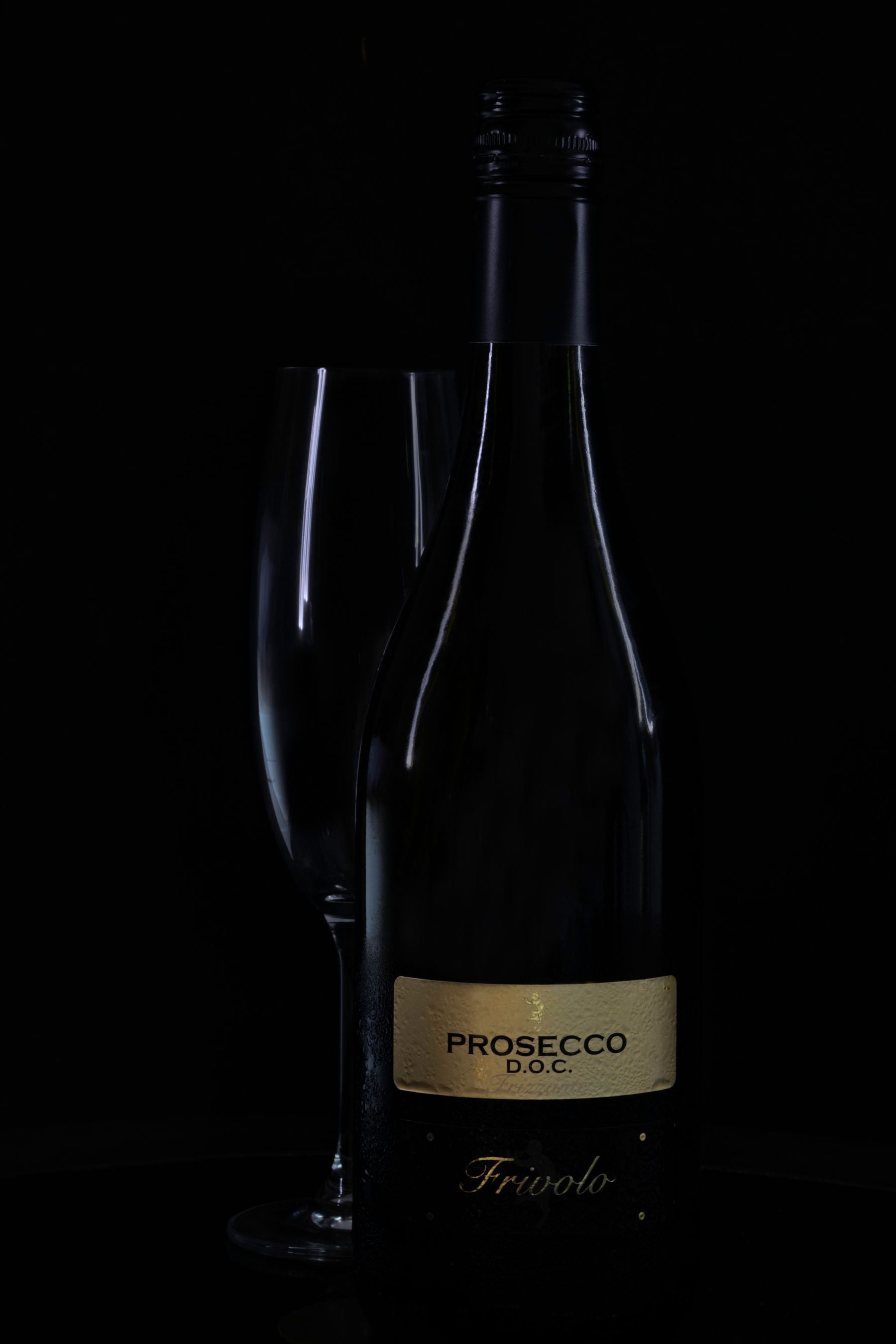
Kosher Prosecco: Every Bottle on the Shelf, $9.99 to $27.99
Nine kosher Proseccos, cheapest first, with the hechsher and the alcohol on each. Glera from the Veneto, fermented in a steel tank rather than the bottle, which is why it tastes of green apple and pear instead of toast. Seven of the nine are mevushal. Also: why extra dry is sweeter than brut, and how cold to serve it.
-

Kosher Italian Wine, Explained: Chianti, Prosecco and the Blue Bottle
The blue bottle of Moscato is Italian. So is the Prosecco and the Chianti. A region-by-region guide to what Italy makes for the kosher table, and which bottle to reach for when.
-

Champagne vs Prosecco vs Cava: A Kosher Sparkling Guide
Champagne, Prosecco, and Cava are all sparkling wine; the difference is region and method. How each tastes, what it costs kosher, and which to pour when. -

Moscato vs Asti vs Prosecco: Which Sweet Sparkler Is Which
Moscato is lightly sweet and fizzy, Asti is fuller sparkling Moscato, and Prosecco is dry. Here is how to tell the three Italian sparklers apart and serve them.