
Kosher Wine Guides
-

Wine, Vodka and Gin in a Blue Bottle: What You Are Actually Looking For
Thousands of people a month search for wine in a blue bottle, vodka in a blue bottle or gin in a blue bottle, because the colour is the thing they remember when the brand name is gone. Three different aisles, three real answers. The wine is Bartenura Moscato at $14.49, five percent alcohol, in the most recognised kosher bottle in the world. The vodka is Deep Blue from Ukraine, ice-filtered and OU, $27.99 for the 1.75L. The gin is Bombay Sapphire at $32.99, vapour-infused through ten botanicals at Laverstoke Mill. Every size of the blue Moscato with prices, why blue bottle white wine lands in the same place, and why searching by colour is a perfectly sensible thing to do.
-
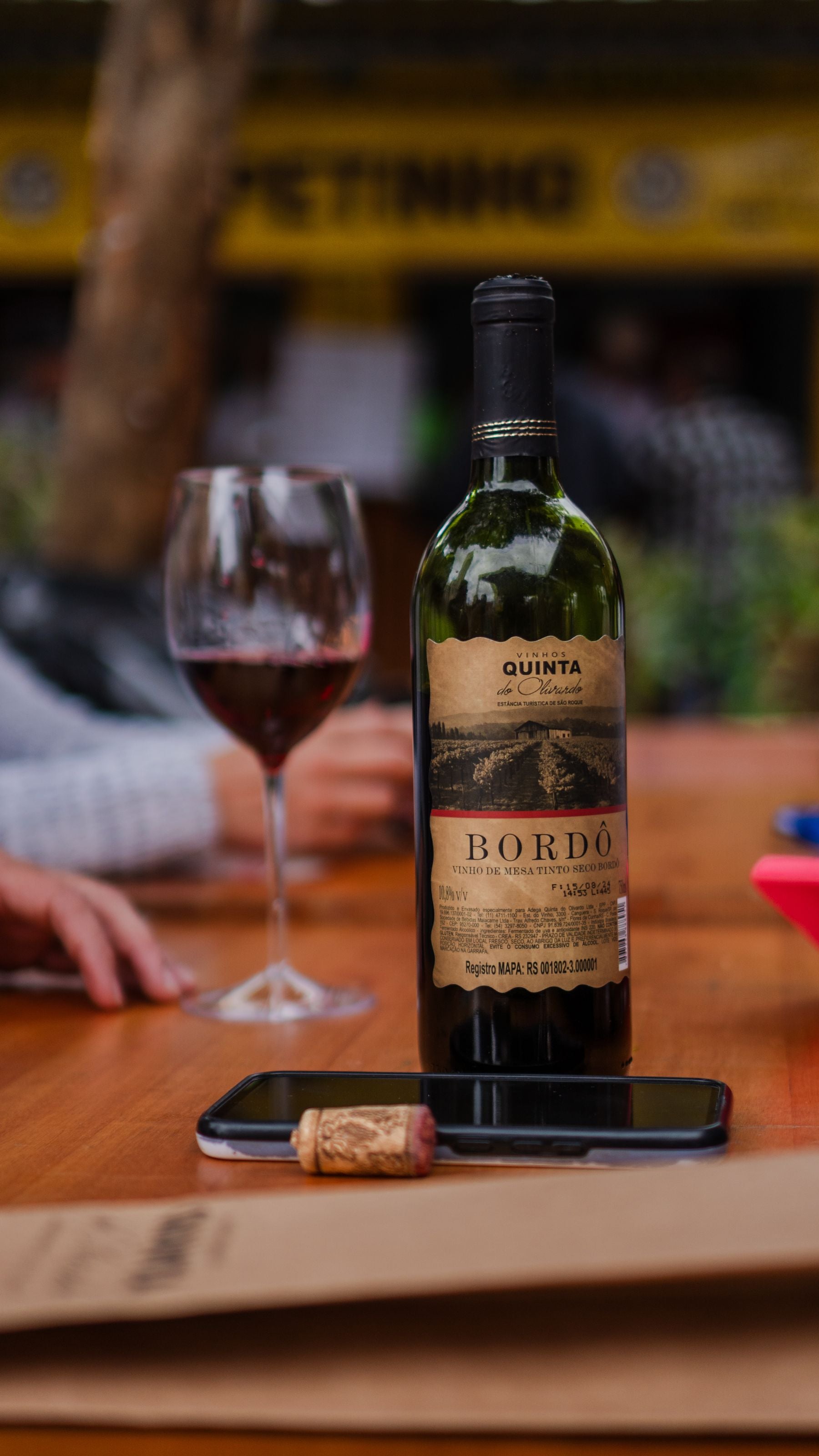
The Rashi Range Explained: Joyvin, Claret and Concord
Seven Rashi bottles from $7.99 to $19.99, running from 5 percent alcohol to 11 percent. Two are Italian and four are from New York State, the Claret is semi-dry where everything else is sweet, and only some of them are kosher for Passover. The whole range in order, and which one belongs on your table.
-

Kosher French Wine: Bordeaux, Provence Rose and What to Buy
French labels say a place, not a grape, which is the only thing that makes them look hard. Bordeaux means cabernet and merlot, Sancerre means sauvignon blanc, Cotes de Provence means dry pink. The full kosher French shelf from $12.99 to $399.99, and what to buy at every price.
-
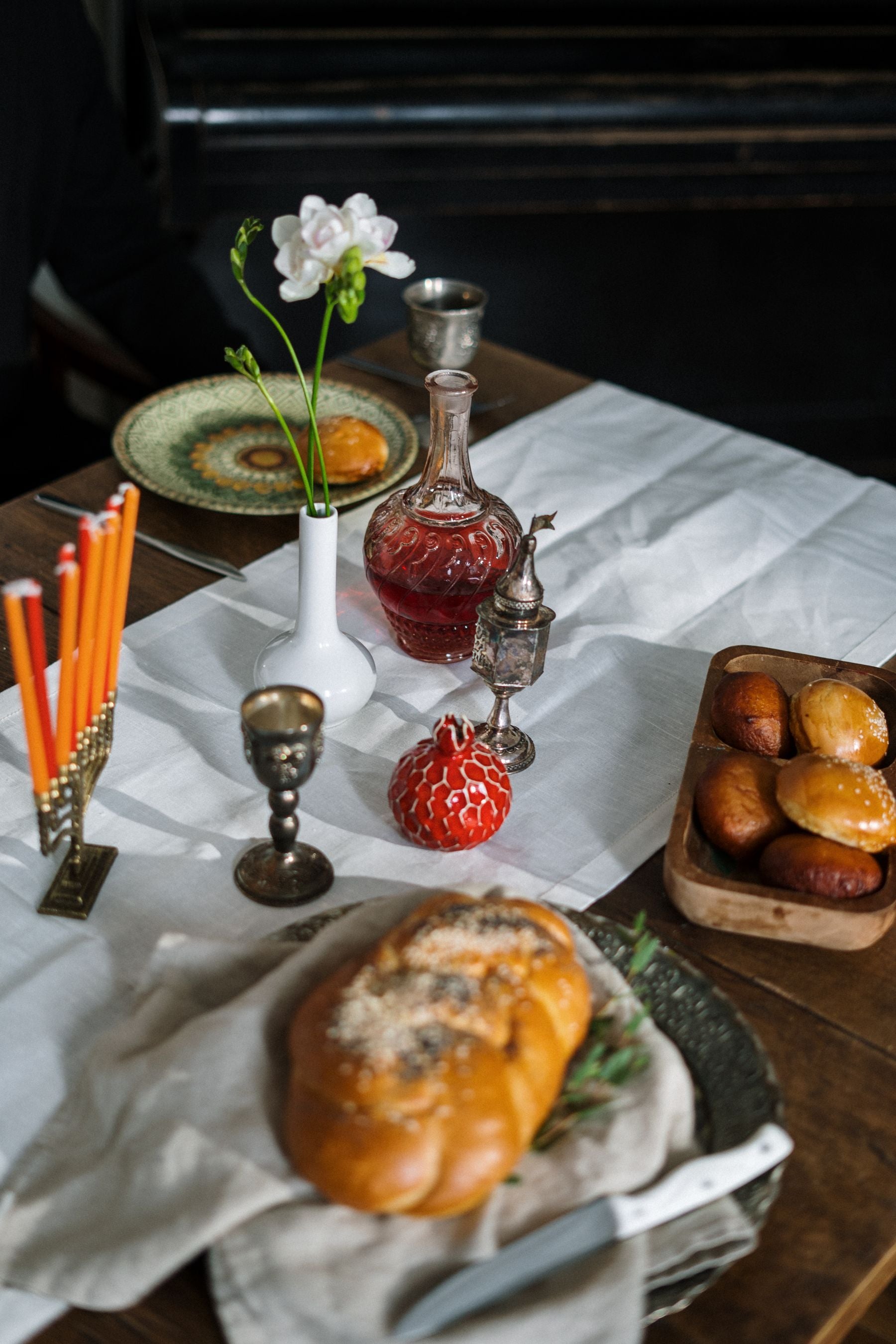
What Is Jewish Wine? A Straight Answer
There is no grape, region or style called Jewish wine. What people usually mean is kosher wine - or the sweet purple Concord bottle from the seder table. Where the sweet stuff came from, what actually makes a wine kosher, and what to drink whether you want dry or sweet.
-

Yatir Winery Guide: Forest, Mt. Amasa, Petit Verdot and Darom
Vines at 900 metres on the edge of the Negev, hot days and cold nights, and a flagship red built to age ten years. The whole Yatir range from the $29.99 Darom rose to the $244.99 magnum, and which bottle is the right one for your table.
-

Kosher California Wine: Napa, Hagafen and What to Buy
More kosher wine is made in California than anywhere outside Israel, and almost nobody talks about it. Hagafen, Covenant, Hajdu, Herzog and Weinstock - the whole picture, from $9.99 to $114.99.
-

Carmel Winery Guide: Every Range, From King David to Limited Edition
Carmel makes the sweet Concord your grandparents used for kiddush and a ninety dollar Bordeaux blend, both under one label. Here is the whole ladder, tier by tier.
-

The Barkan Range Explained: Classic, Platinum and Superieur
Barkan is one of the most searched names on our site, and the tiers confuse people. Here is what Classic, Platinum and Superieur actually mean, what each costs and which one to buy.
-
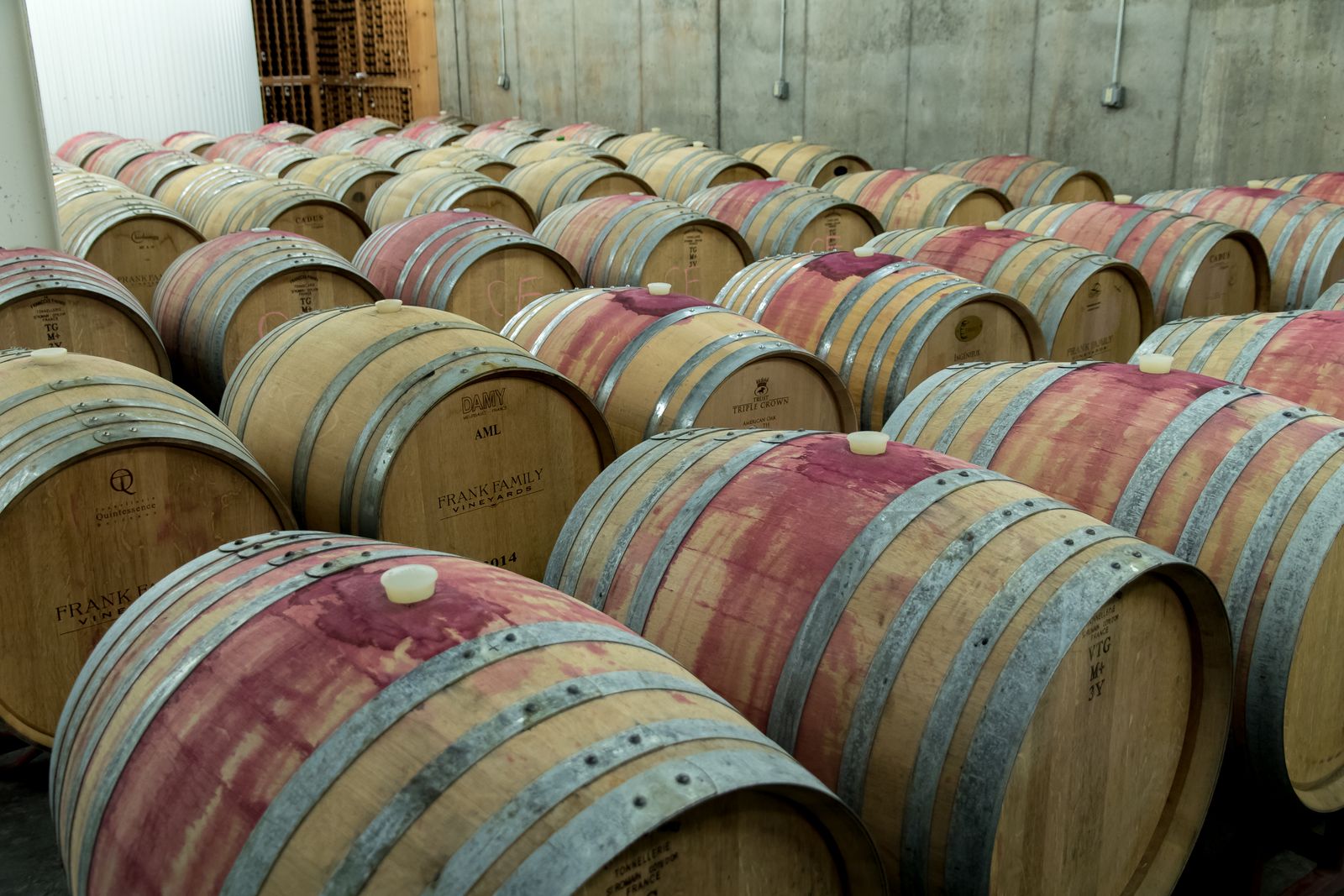
The Herzog Wine Ladder: Jeunesse to Reserve
Herzog runs five tiers: Jeunesse, Baron Herzog, Lineage, Variations and Special Reserve. What each one costs, what it tastes like, and when to pour it. -
Does Kosher Wine Taste Different? An Honest Answer
No. Kashrus governs who handles the wine, not how it is made. Here is where the old sweet-wine reputation came from, and what modern kosher wine tastes like. -
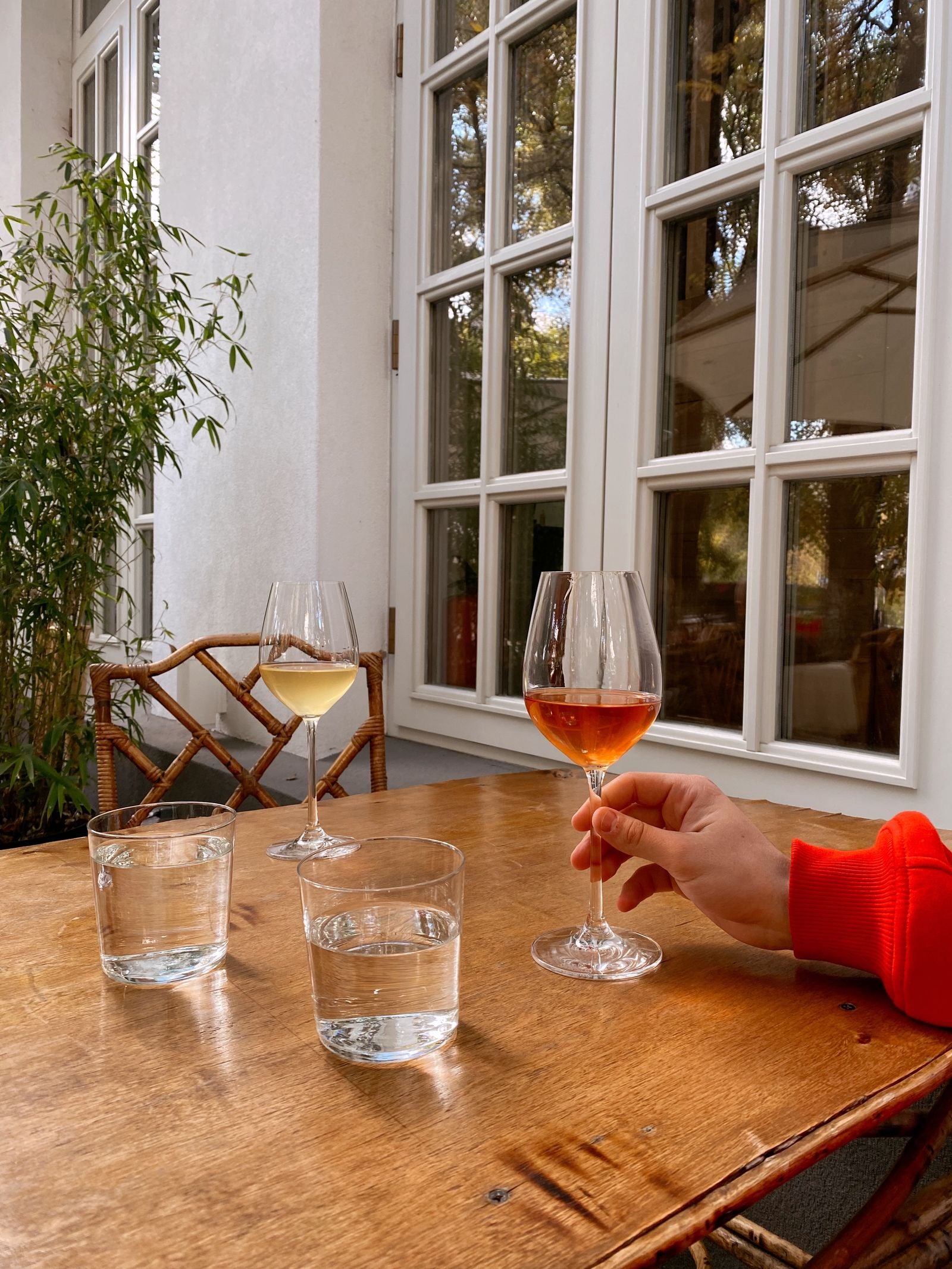
The Best Kosher Wine Under $30
The best kosher wine under 30 dollars sits in the 22 to 30 band, where estate fruit and real oak begin. Our picks in Israeli, Californian and French reds. -
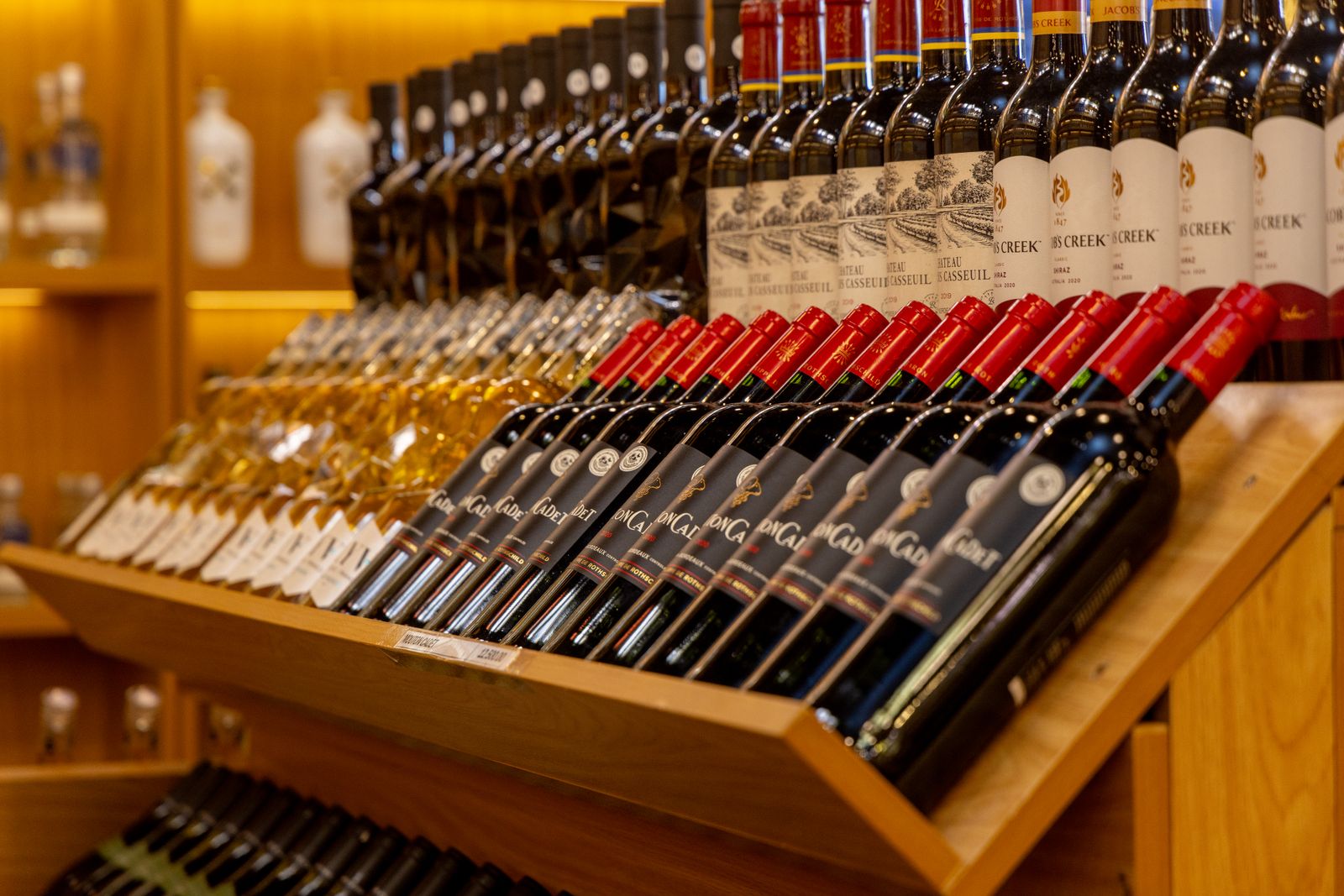
The Best Kosher Wine Under $15
The best kosher wine under $15 is a dry Israeli or Italian red from a large winery. Five bottles worth buying, what the price costs you, and how to buy well.