
Psagot Winery: A Guide to the Range
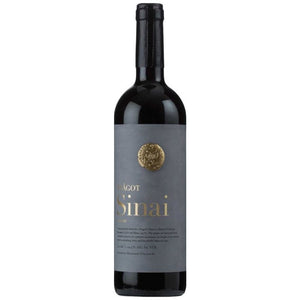
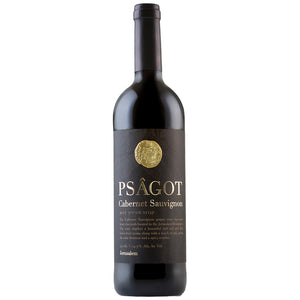

Psagot is a name people search on its own. "Psagot." "Psagot wine." No grape, no tier, no price. They have had the Cabernet at someone's table, or seen the heavy bottle with the ancient coin on the label, and now they want to see the whole shelf.
So here is the whole shelf. Twelve bottles, from a house red to a brandy, under tier names that explain nothing until somebody explains them. Sinai, De'Vine, Prat, Edom, Peak, Jewel. This is what each one is, who it is for, and the one buying decision that trips people up more than any other in this range.
Where it comes from
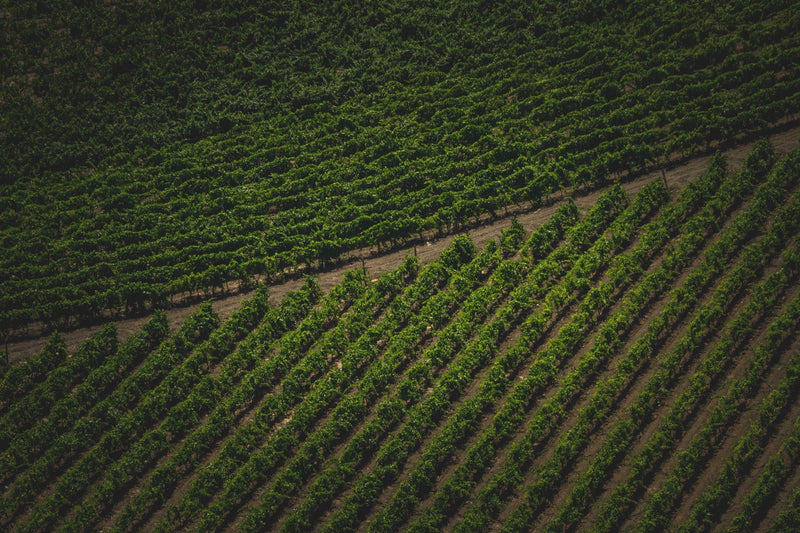
The winery sits on a hilltop in Mateh Binyamin, in the hills north of Jerusalem, at around 900 meters. Underneath it is a cave that was a working winery in the days of the Second Temple, and Psagot still ages wine down there. The coin on the label is from that period. The soil is limestone, the altitude is real, and the nights get cold, which is the combination that keeps acid in grapes grown in a hot country. If the Israeli map is new to you, our guide to Israel's wine regions sets out how these hills differ from the Galilee and the Shomron.
Two things are true across almost the entire range and worth knowing up front. Every bottle carries Badatz Edah HaChareidis and is Kosher for Passover. And the reds are serious, oak-framed and full-bodied, mostly 13.5% to 14%. Psagot does not make thin wine.
The range at a glance
| Bottle | Style | Alcohol | Mevushal | Price |
|---|---|---|---|---|
| Sinai | Dry red, Cabernet and Shiraz | 13.5% | Yes | See today's price |
| De'Vine Semi-Sweet Red | Semi-sweet red, Bordeaux blend | 13.5% | Yes | See today's price |
| Viognier | Dry white, oak-aged | 12.8% | No | See today's price |
| Cabernet Sauvignon | Dry red, estate varietal | 14% | No | See today's price |
| Merlot | Dry red, estate varietal | 13.5% | No | See today's price |
| Prat | Fortified sweet red, port-style | 16% | No | See today's price |
| Edom | Dry red, Bordeaux-style flagship | 14% | No | See today's price |
| Dessert Wine (500ml) | Sweet white, late-harvest Chardonnay | 13.5% | No | See today's price |
| Peak | Dry red, Syrah and Petite Sirah and Mourvedre | 14% | No | See today's price |
| Sinai magnum (1.5L) | Dry red, Cabernet and Shiraz | 14.5% | Yes | See today's price |
| Jewel | Dry red, two-oak flagship reserve | - | - | See today's price |
| XO Brandy | Brandy, 12 years in oak | 40% | - | See today's price |
The buying decision nobody warns you about
Here is the thing to understand before you pick a Psagot bottle for a crowd. Almost nothing in this range is mevushal.
Sinai is mevushal. De'Vine is mevushal. The Sinai magnum is mevushal. That is it. The Cabernet, the Merlot, Edom, Peak, the Viognier, Prat, the Dessert Wine, all of them are not.
Which means Psagot splits cleanly into two shelves. Sinai is the simcha wine, the bottle you buy by the case when a waiter is going to be the one pouring and you cannot track who touches the bottle. Everything above it is a wine for your own table, where that question does not come up. If you have been burned before by buying a beautiful bottle you could not serve at a bar mitzvah, Sinai is the answer.
Jewel's product page does not list its mevushal status, and the XO brandy is a distilled spirit, so the question works differently there. If it matters for your table, ask us before you buy rather than guessing from the tier.
Start here: Sinai
Sinai is a Cabernet and Shiraz blend and the house red of the range. Bright ruby, red and dark cherry on the nose, a peppery Shiraz lift over Cabernet's blackcurrant core. Medium to full, fruit forward, tannin already settled in. It is built to drink tonight without decanting or ceremony.
This is the sheva brachos bottle, the bar mitzvah kiddush bottle, the one that pours all night without anyone watching it. Being mevushal, it stays the same wine through every guest's cup.
If you are feeding a full table, the magnum is the same blend in a format that pours about twelve glasses. Open it at the start of the meal and let it breathe in the bottle.
The sweeter pour: De'Vine
De'Vine is a semi-sweet Bordeaux blend, and it exists because half the people at a Shabbos table do not want a dry red. Ripe black plum, cherry compote, warm spice. Medium-bodied, layered sweet dark fruit, soft tannin.
Serve it slightly chilled and it bridges the dry-red drinkers and the sweet-kiddush crowd without anyone feeling like they got the compromise bottle. It handles brisket, honey-glazed chicken, cholent and a slice of babka. It is also mevushal, which makes it the other bottle here you can buy for a crowd.
The one white: Viognier
Psagot Viognier is the only white in the range and it is not a casual wine. The fruit comes off cool vineyards at Moshav Mata, deep in the hills, then spends eight months on the lees, half in French oak and half in stainless.
Anise, apricot, honey and lemon zest on the nose. Textured and layered on the palate, soft citrus and ripe stone fruit with a frame of oak, and a long floral finish at a modest 12.8%. Think Rhone Viognier with more sun. It stands up to salmon, roast chicken with lemon, a dairy Shabbos lunch, Mediterranean mezze, and it will not fall over next to spicy Moroccan fish. If the grape is new to you, we wrote a full guide to Viognier.
The two estate varietals, one price
These are the bottles the winery hangs its name on, and they are priced identically so you choose on style alone.
Cabernet Sauvignon is classic Cabernet grown on limestone: blackcurrant and dark cherry over cedar, with a herbal-mint lift the altitude gives it. Full-bodied and structured, with the firm but ripe tannin a varietal Cab should have, and French oak adding spice and round vanilla without burying the fruit. Give it thirty minutes in a decanter. It will hold a few more years if you want to put it down.
Merlot is the softer-shouldered one. Plum, black cherry, a wisp of cocoa, lifted by the dried-herb signature these hills put on everything. Full-bodied and plush, rounded tannin, oak that adds spice without bite, and a long savory finish. This is the bottle for the guest who finds Cabernet too tannic, and for the Tuesday roast chicken that wants a serious wine without serious teeth.
Peak: the Rhone-shaped one
Peak is a southern French trio, Syrah with Petite Sirah and Mourvedre, run on limestone. Deep purple, nearly opaque. The nose is assertive: black fruit, black pepper, dark chocolate, dried flowers, a stony mineral note. Syrah leads, Petite Sirah fills in the body, Mourvedre brings the savory game underneath.
Full-bodied and compact with fine-grained tannin and real mid-palate weight. This wants meat on the table. Decant it thirty minutes. If you have never had a serious Israeli Rhone-style blend, this is the one to try, and our guide to Petite Sirah explains what that grape contributes.
The two flagships: Edom and Jewel
Edom is named for the mountains visible from the hilltop, and it is a four-grape Bordeaux-style blend: Cabernet Sauvignon leading on structure, Cabernet Franc and Petit Verdot adding a leafy graphite lift, Merlot rounding the middle. Fourteen months in French oak reads as integrated spice rather than wood. Deep ruby-purple, blackcurrant and dark berry over cedar and vanilla, full-bodied with the mid-palate density that wants a real dinner. This is the anniversary bottle and the one to pour for the guest who already knows Psagot and asks for the top of the range.
Jewel goes further. Hand-harvested from the winery's best plots, then twenty-four months in 300-liter barrels of both French and Hungarian oak. The dual oak treatment is the point: it gives a complexity most Israeli reserves do not reach. Lifted rich fruit on the nose, big and mouth-filling on the palate, layered red fruit, tannins that are elegant rather than grippy. It is a gift bottle and a cellar bottle, not a Tuesday bottle.
After the meal: Prat, the Dessert Wine, and the brandy
Psagot makes three things for the end of the night, and they are genuinely different from one another.
Prat is a port-styled sweet red aged sixteen months in French oak down in the ancient cave. Dark plum, blackberry, rose petal, chocolate, vanilla oak. Lush and sweet but balanced, with coffee and cocoa depth and a long warming finish at 16%. Pour it with chocolate babka, pecan pie or hard cheese, or on its own after Shabbos dinner. If port is your thing, our guide to port covers how the style works.
Psagot Dessert Wine for a 500ml bottle, goes the other direction: a late-harvest Chardonnay picked once the fruit has concentrated on the vine, with real botrytis character. Dried apricot, orange peel, honeyed pastry, a whisper of ginger and beeswax. Rich and candied through the middle but held together by Chardonnay acidity. This is the Sauternes shape, made in Israel.
Psagot XO Brandy is distilled from estate wine in a copper alembic still and then aged twelve years in oak inside that same cave. Dried fig, raisin, toasted oak, warm baking spice, then stone-fruit syrup, dark caramel, walnut and clove, finishing long and mellow at 40%. It is the most poetic bottle the winery makes and it carries the same Badatz hechsher as the wine.
So which one do you buy?
- For a simcha, or any table where a waiter pours: Sinai. It is mevushal and it is good. The magnum if the table is big.
- For guests who like it sweeter: De'Vine also mevushal.
- First serious Psagot: the Cabernet, or the Merlot if you want it plusher.
- Best bottle for the money: Edom. The flagship shape without the flagship price.
- Something different: Peak.
- A gift: Jewel or the XO Brandy.
- Dessert: Prat for chocolate, the late-harvest Chardonnay for fruit and pastry.
The full range is on our Psagot collection page, and if you want to see what else these hills produce, start with our Israeli wine shelf. Free shipping on orders $150+ in the lower 48.