
Hajdu Wines: The Range, Bottle by Bottle
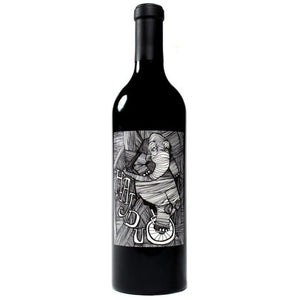
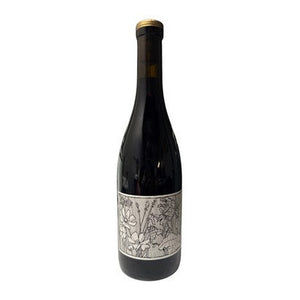
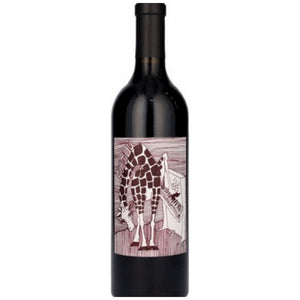
Hajdu is one of those names people type into Google on its own. "Hajdu." "Hajdu wine." No grape, no vintage. Somebody poured it at a Shabbos table, the bottle looked serious, and now they want to know what else the man makes.
Here is the whole thing. Six bottles, one winemaker, and a house style that is unusually consistent for a range that runs from a dry rose to a Napa blend. This is what each bottle is, who it suits, and the one question that actually decides which of the six you take home.
Who is Jonathan Hajdu
Jonathan Hajdu has spent most of his career as the winemaker working alongside Jeff Morgan at Covenant, the Berkeley winery that did more than anyone to make serious California kosher wine a normal thing to drink. Hajdu Wines is his own label on the side of that day job, made in small lots in the same Berkeley space.
That origin explains the wines. These are not negociant bottlings with a name stuck on the front. They are small-batch, mostly unfiltered, built hands-off, and they taste like somebody made a decision about every one of them. If California kosher wine is new to you, our guide to kosher California wine sets out how Napa, Sonoma and the old-vine inland sites differ.
The range at a glance
| Bottle | Style | Alcohol | Mevushal | Price |
|---|---|---|---|---|
| Heirloom Red | Old-vine field blend, dry red | - | Yes | See today's price |
| Rose | Dry rose, saignee | 13% | No | See today's price |
| Grenache | Dry red, single vineyard | 15% | No | See today's price |
| Zinfandel | Dry red, ancient vines | 14.5% | No | See today's price |
| Syrah | Dry red, whole-cluster, Sonoma fruit | 14.5% | No | See today's price |
| Proprietary Red | Dry red blend, Napa Valley | 14.5% | No | See today's price |
All six carry the OU. Five of the six are Kosher for Passover; the Syrah is the exception, so check that one before you build a Pesach order around it.
The question that decides it: mevushal or not
This is the fork in the road, and it is worth getting right before you look at anything else.
Exactly one bottle in the range is mevushal: the Heirloom Red. Everything else is not. If the wine is going to a hall, a kiddush, a simcha, or any table where you cannot control who pours, that is your bottle and the decision is already made. If it is your own Friday night table, the other five open up.
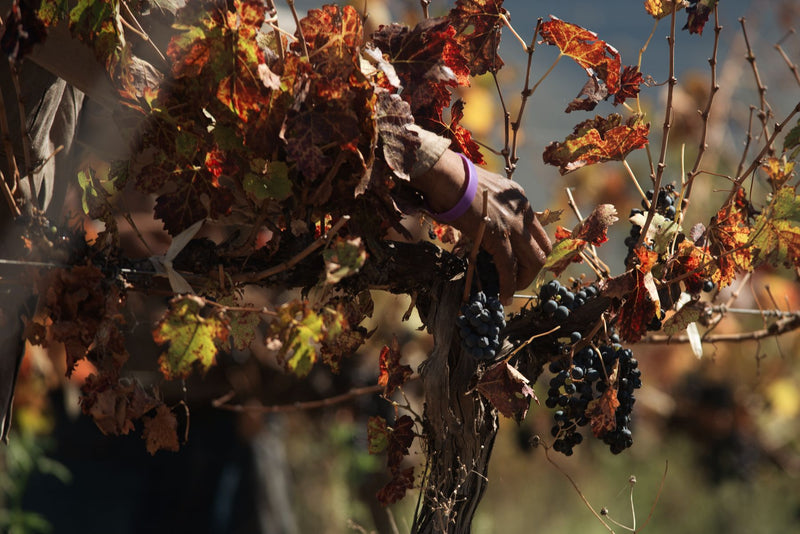
People assume mevushal means the lesser wine. It does not here. The Heirloom Red is a field blend of Zinfandel, Carignan and Mourvedre off old vines in Lodi and Contra Costa, made in Berkeley under the Brodersen Hajdu label, and it is plush and dark and genuinely good. It is also the cheapest thing on the list. Our full explainer on mevushal versus non-mevushal covers what the process actually does.
Bottle by bottle
Heirloom Red
Old vines, three grapes, one pick. Zinfandel brings the ripe raspberry and the warmth, Carignan keeps it grounded and savory, Mourvedre holds the structure together. Crushed boysenberry, black cherry, cracked pepper, a little cocoa. It is built for a long Friday night where the wine has to survive brisket, three courses and an argument about politics. Mevushal, so it goes anywhere.
Rose
Made by saignee, which means it is bled off Hajdu's own red fermentations rather than grown as a rose crop. Pale, properly dry, 13%, with strawberry, citrus zest and a saline lift on the finish. This is a rose for people who drink rose with food, not with ice. Summer Shabbos lunch, grilled fish, schnitzel, sushi. If you are unsure where you sit on sweetness, is rose sweet or dry walks through how to read the bottle.
Grenache
The one our sommelier gets loudest about. Single vineyard, unfiltered, 15% and it does not feel like 15%. Wild strawberry, raspberry, sweet pepper, dried herb, with soft tannins and a savory middle that keeps going. Grenache is a Mediterranean grape and this drinks like one, which is unusual for California. Grilled lamb, a serious cholent, steakhouse cuts.
Zinfandel
This is the bottle that started the conversation. Ancient-vine California fruit, full-bodied, dry, with ripe raspberry, plum, cedar and baking spice, and tannin that has been polished rather than sanded off. If you only ever met Zinfandel as a sweet pink wine, this is the correction. Shabbos brisket, ribeye, roast lamb, and it holds up to a Moroccan tagine. More in the Zinfandel collection.
Syrah
Sonoma fruit, whole-cluster fermented, pitched at the Northern Rhone rather than at Australia. Blackberry compote, cured meat, black olive, cracked white pepper, and a long peppery finish with real grip. If you want to know why the same grape tastes like two different wines depending on the label, read Syrah vs Shiraz. Note this is the one bottle in the range that is not Kosher for Passover.
Proprietary Red, Napa Valley
The top of the range and the only Napa fruit in it. A red blend, boutique, small-batch, with black cherry, cassis, sweet cedar and baking spice over structured tannins and a long savory middle. This is the bottle you open for the person hosting the meal, or the one you bring when you want the gift to register. Prime rib, lamb shoulder, a Yom Tov roast.
Which one should you actually buy
- Going to a simcha or a hall. Heirloom Red. It is the only mevushal bottle and it punches well above the price.
- First Hajdu, your own table. Grenache. It is the most distinctive wine in the range and the one most likely to make you look up the label.
- You already like big California reds. Zinfandel.
- You drink Rhone. Syrah.
- Summer lunch, fish, outdoors. Rose.
- A gift, or a milestone bottle. Proprietary Red.
All six live together in the Hajdu Wines collection. Free shipping on orders $150+ in the lower 48, which two bottles of the Zinfandel and the Grenache will not quite reach, but three will.