
What Is Zinfandel? The Big, Jammy Red America Made Its Own
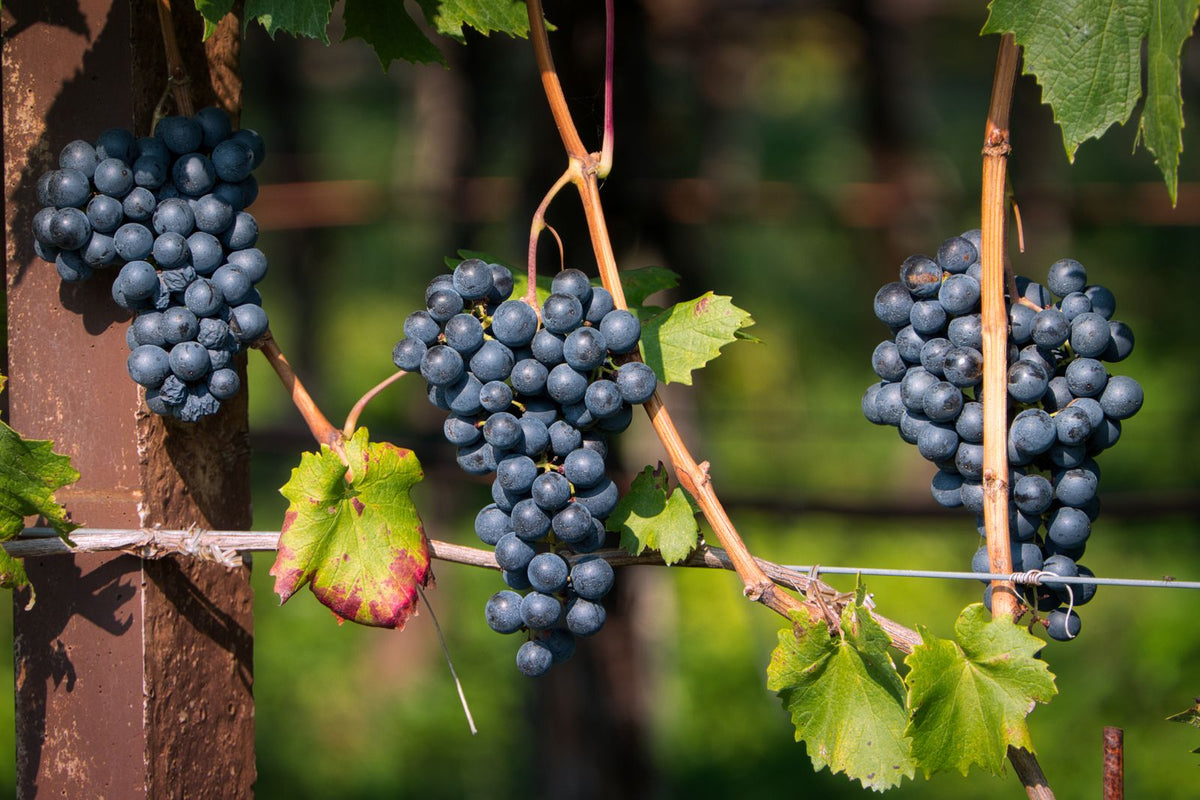
Zinfandel is the loudest red in the shop, and it is not trying to be subtle. Blackberry jam, black pepper, a raisiny sweetness on the finish and enough alcohol that you notice it. If Pinot Noir is a whisper, Zinfandel is somebody telling a story across the table.
It is also the red most tangled up in confusion, because there is a pink wine with almost the same name that tastes nothing like it. We will clear that up below.
What Zinfandel tastes like
Ripe dark fruit first: blackberry, black cherry, sometimes stewed plum. Then black pepper and a warm spice note, a little like cinnamon. The tannin is moderate, softer than Cabernet Sauvignon, and the fruit is much sweeter smelling than Merlot, even when the wine itself finishes dry.
The other thing you notice is the alcohol. Zinfandel grapes ripen unevenly and get very ripe indeed, so the wines commonly land at fourteen and a half percent or higher. That is where the warmth on the finish comes from. It is not a flaw; it is the style.
If you like big reds and find lighter ones boring, this is your grape. If tannin is the thing you dislike about red wine, Zinfandel is friendlier than most, because the fruit does more of the work than the grip does.
Where it comes from
Zinfandel is grown almost entirely in California, which is why it reads as the American red. Genetically it is the same grape as Primitivo in southern Italy, and it traces back further to Croatia, but the identity it earned is Californian: Lodi, Sonoma, Napa, Paso Robles.
California heat is the whole story. Long, hot, dry summers push the grapes past ripe into jammy, which is exactly the flavor people are buying Zinfandel for.
What "old vine" means on the label
You will see Old Vine on a lot of Zinfandel labels, and it means something real even though no law defines it. Zinfandel vineyards planted in California a century ago are still producing, and old vines yield far less fruit per plant. Less fruit per vine means more concentration in each grape.
In practice, an old vine Zinfandel tends to be darker, denser and more savory than a young vine one, with less of the sweet jamminess and more depth behind it. Baron Herzog Old Vine Zinfandel at around fifteen dollars is the easiest place to meet the style, and it is the bottle most people start on.
Step up from there and Twin Suns Reserve Old Vine Zinfandel at about thirty dollars gives you the concentrated version, with the fruit tightened up and more of a savory backbone.
Zinfandel and White Zinfandel are not the same wine
This is the single biggest source of confusion around the grape, so here it is plainly.
They come from the same red grape. Red Zinfandel is fermented with the skins, which is where colour and tannin come from, and the result is the dark, bold, usually dry wine described above. White Zinfandel is made by pulling the juice off the skins almost immediately, so it comes out pale pink, and it is fermented to leave noticeable sweetness. It is light, sweet, low in alcohol and served cold.
One is a steak wine. The other is a porch wine. Ordering one expecting the other is how people end up disappointed in a perfectly good bottle. If pink and sweet is what you are after, our guide to telling sweet rose from dry will save you a mistake, and the full rose range has both.
What to eat with Zinfandel
Zinfandel is a barbecue wine, and that instinct carries straight over to a Jewish table. Anything smoked, charred, sweet-glazed or slow cooked is in range.
| The dish | Why Zinfandel works |
|---|---|
| Barbecue brisket or short ribs | Sweet, smoky sauce meets sweet, jammy fruit |
| Grilled steak with a spice rub | The black pepper note lines up with the rub |
| Cholent | Long cooked and savory, and the wine has body to match |
| Burgers and grilled sausage | Fruit forward enough to handle ketchup and onions |
| Anything with a honey or apricot glaze | The wine reads sweet, so the glaze does not fight it |
What it does not suit is a delicate dish. Put Zinfandel next to poached fish or a light chicken and the wine simply wins. For those meals, see what to pour with chicken instead, or the full guide to pairing kosher wine with meat.
Kosher Zinfandel worth opening
The kosher Zinfandel shelf is small but genuinely good, because the wineries making it are the ones who care about the grape.
Baron Herzog Old Vine Zinfandel around fifteen dollars is the everyday bottle and the one to buy first. Covenant Mensch Zinfandel at about twenty two dollars is the more polished version from a serious California producer. Twin Suns Reserve Old Vine Zinfandel near thirty dollars is the one for a Shabbos when the meat is the point.
Two curiosities worth knowing about. Herzog Late Harvest Zinfandel is a dessert wine made from the same grape left to ripen far longer, sweet and rich and meant for the end of the meal. And Twin Suns Whiskey-Aged Old Vine Zinfandel is finished in whiskey barrels, which pushes it toward vanilla and smoke; a talking point bottle more than a weeknight one.
Browse the whole kosher Zinfandel selection, or see where it sits against the other big reds in our guide to red wines for beginners.
Should you buy it?
Buy Zinfandel if you like your reds bold, fruity and warm, and if the food on your table leans toward grilled, smoked or slow cooked. Skip it if you prefer restraint, or if the meal is delicate. It is the least subtle red on the shelf, and that is precisely the point.