
Kosher California Wine: Napa, Hagafen and What to Buy
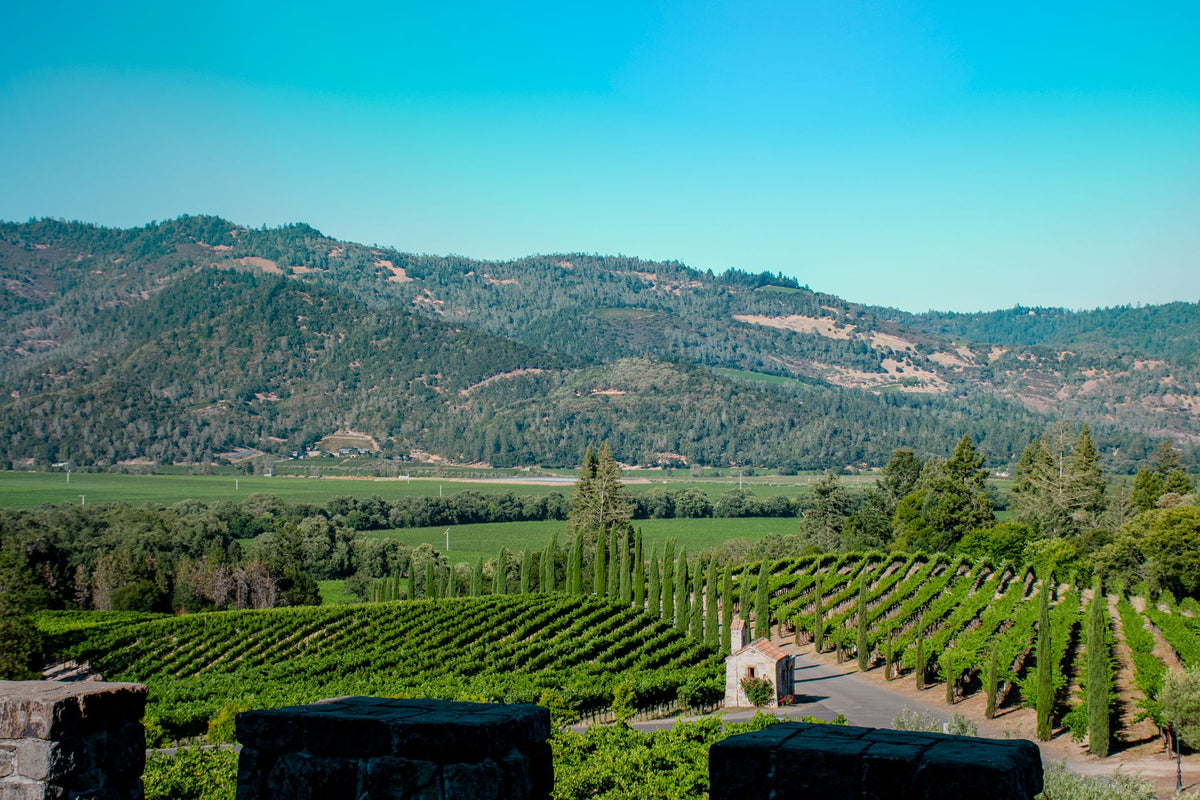
Ask somebody to name a kosher wine country and they will say Israel, then France, then maybe Italy. California almost never comes up, which is strange, because more kosher wine is made in California than in any other place outside Israel - and the two best bottles most people have never tried both come from Napa.
Why California matters for kosher wine
Kosher wine has to be handled start to finish by Sabbath-observant Jews. In most wine regions that means renting a facility for a few weeks a year and flying a crew in. In California, several wineries do it as their permanent, everyday operation - the whole building is kosher, all year, and the winemakers live down the road from the vineyards.
That changes what comes out of the barrel. Nobody is working against the clock in somebody else's cellar. The result is a set of wines that taste like California wine first and happen to be kosher second, which is not something you could say about most of the category twenty years ago.
If the rules themselves are new to you, start with what makes wine kosher.
Hagafen - Napa Valley, since 1979
Ernie Weir planted Hagafen on the Silverado Trail in 1979, which makes it the first kosher winery in the Napa Valley and older than a lot of the famous non-kosher names around it. The wine has been poured at the White House. It is still a small, family-run operation.
What is remarkable about Hagafen is the range for the price. Most Napa labels give you a Cabernet and a Chardonnay. Hagafen gives you nearly a dozen things, and the cheapest of them is under twenty dollars:
- Hagafen Sauvignon Blanc - $19.99, and the easiest way into the winery. Crisp, citrus, no oak.
- Hagafen Rose - $24.99, dry, pale, a summer table wine.
- Hagafen Lake County Dry Riesling - $29.99. Genuinely dry Riesling is rare in kosher wine. More on the grape in what is Riesling.
- Napa Valley Merlot - $35.99, soft and plummy.
- Napa Valley Cabernet Franc - $39.99. The one to try if you already know you like Cabernet and want something with more herb and pencil to it.
- Napa Valley Pinot Noir - $45.99.
- Napa Valley Cabernet Sauvignon - $49.99, the flagship.
- Brut Cuvee Rose - $49.99, and Brut Cuvee at $56.99. Real bottle-fermented sparkling, not a sweet fizz.
The whole Hagafen shelf is worth a browse. If you buy one, buy the Cabernet Franc - it is the bottle that surprises people.
Covenant - the one for people who read wine lists
Jeff Morgan came to kosher wine from writing about wine, and Covenant has been the label to beat since it started. The fruit comes from Napa, Sonoma and Lodi, and the wines are made in small quantities.
- Covenant Mensch Zinfandel - $21.99. The bargain of the range and a proper Zinfandel: brambly, jammy, high-spirited. See what is Zinfandel.
- Red C Rose - $32.99.
- Covenant Lavan Chardonnay - $39.99, barrel-fermented and built like a serious white Burgundy rather than a fruit bomb. Background in what is Chardonnay.
- Red C Cabernet Sauvignon - $43.99, the sensible way to drink Covenant Cabernet.
- Blanc de Blancs - $44.99.
- Black Label Cabernet - $109.99, and Covenant Napa Valley Cabernet Sauvignon at $114.99. These are the top of the kosher Cabernet world, full stop.
The Covenant shelf has the rest. If you have a birthday, an anniversary or a bottle to open at a chasunah, the Napa Valley Cabernet is the one.
Hajdu - the interesting corner
Jonathan Hajdu makes wine alongside Covenant and puts his own name on a small range that goes deliberately off the main road. No Cabernet, no Chardonnay. Grenache, Syrah, Zinfandel, field blends.
- Hajdu Heirloom Red - $32.99, and mevushal, which matters if you are serving where the pouring is not in your hands. See mevushal vs non-mevushal.
- Hajdu Rose - $34.99.
- Hajdu Grenache - $49.99, red-fruited and lighter than its price suggests.
- Hajdu Syrah and Hajdu Zinfandel - $54.99 each.
- Proprietary Red, Napa Valley - $99.99.
Herzog - the California kosher wine most people have actually drunk
The Herzog family have been making wine for nine generations, and since 2005 they have done it from a purpose-built winery in Oxnard, on the coast north of Los Angeles. It is the largest kosher winery in America and it fills three different price points.
Baron Herzog is the everyday tier, $11.99 to $14.99, and it is on more Shabbos tables than any other California wine. The Old Vine Zinfandel at $14.99 is the standout; the Cabernet Sauvignon and Chardonnay are the reliable ones, and the Chenin Blanc at $11.99 is the cheapest good white we sell.
Inside Baron Herzog sits Jeunesse, the sweet range, and it gets searched for by name more than you would think: Jeunesse Black Muscat, Jeunesse Pink Moscato and Jeunesse Cabernet, all $13.49. These are the bottles to pour for people who find dry wine hard work.
Herzog Lineage is the step up, almost everything at $19.99: Cabernet Sauvignon, Pinot Noir, Malbec, Rose, the Choreograph red blend, plus Sauvignon Blanc and the Momentus sparkling at $21.99. Twenty dollars is the sweet spot in this whole category and Lineage owns it.
The full picture is in our Herzog wine guide and the Baron Herzog guide, or browse the Herzog shelf.
Weinstock - the cheap seats, done properly
Weinstock is the Herzog family's other label and it exists to be inexpensive without being bad. White by W is $9.99, the Red Blend is $11.99, and the Cellar Select Cabernet at $23.99 punches above its price. If you need a case for a kiddush, start here - and see the best kosher wine under $15.
California or Israel?
It is the question people actually want answered, so: California tends to be riper, rounder and softer, with sweeter fruit and less grip. Israeli reds tend to be firmer, darker and more savoury, with more of that dusty, sun-baked edge. Neither is better. They are different table wines and they suit different food.
For a rib roast or a long Shabbos lunch with meat, a Napa Cabernet is hard to beat - see kosher wine and meat pairing. If you want the other side of the argument, read the best Israeli red wine and the Israeli wine regions guide.
Where to start
- Under $15 - Baron Herzog Old Vine Zinfandel, $14.99.
- Around $20 - Herzog Lineage Cabernet, $19.99, or Hagafen Sauvignon Blanc, $19.99.
- Around $40 - Hagafen Cabernet Franc, $39.99. The most interesting bottle on this page for the money.
- Special occasion - Covenant Napa Valley Cabernet, $114.99. There is more in the best kosher wine under $30 if that is a stretch.
Browse the wider shelves any time: kosher red wine, kosher white wine, Cabernet Sauvignon, Chardonnay and Pinot Noir.