
What Is Grenache?
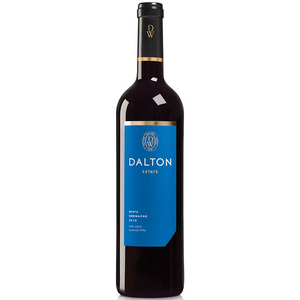
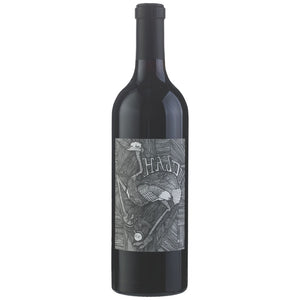
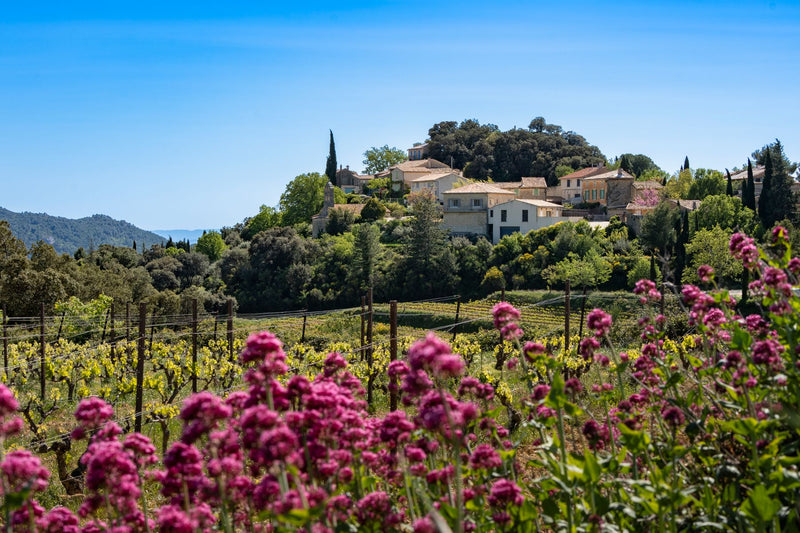
Grenache is the grape you have been drinking for years without ever reading the name on a label. It is the backbone of Côtes du Rhône. It is most of what is in a bottle of Châteauneuf-du-Pape. It is the reason your summer rosé tastes of strawberries instead of cranberries. It is the G in GSM.
And almost nobody walks into a wine store and asks for it, because it spends its whole life inside blends with somebody else's name on the front. Here is what Grenache is, what it tastes like, and the bottles on our shelf where you can actually find it.
How to say it, and the four names problem
Gruh-NAHSH. In Spain, where it was born, it is Garnacha. In Sardinia it is Cannonau. In Catalonia you will see Garnatxa on the label. Same grape every time.
It is Spanish by birth, almost certainly from Aragón in the northeast, and it spread along the whole Mediterranean rim from there: down into Catalonia and Priorat, across to Sardinia, and north into the southern Rhône where it became the most important red grape in the south of France. For a long stretch of the twentieth century it was one of the most planted wine grapes on earth.
The reason is simple. Grenache is a heat grape. It ripens late, it tolerates drought, it holds up to wind, and it grows happily as a free-standing bush vine with no trellis and no irrigation. Give it a hot, dry, stony place and it is content. Give it a cool, damp place and it will not ripen at all.
That one fact explains everything else about it, including why Israel has taken to it so quickly.
What it tastes like
Strawberry and raspberry rather than blackcurrant. Red fruit, and quite often sweet smelling red fruit, even when the wine itself is bone dry. Around that you get white pepper, dried herbs, orange peel, and in the older or warmer examples something like stewed plum and a dusting of cocoa.
Texturally it is the opposite of Cabernet. The tannin is soft and low, the body is full, and the alcohol tends to run high because the grape piles on sugar as it ripens. That combination, big body with gentle grip, is why Grenache feels generous and round rather than firm.
Its one structural weakness is color fastness and acidity, which is exactly why it is blended so often. Syrah lends it dark fruit and backbone. Mourvèdre lends it savory grip and helps it age. That is the whole logic of GSM.
| If you like | Grenache will feel |
|---|---|
| Cabernet Sauvignon | Rounder, softer, much less tannic, red fruit instead of black |
| Pinot Noir | Similar red-fruit character but fuller, warmer and higher in alcohol |
| Merlot | Comparably smooth, but spicier and more herbal rather than plush and plummy |
If softness is what you are after, the best red wine for beginners explains why low tannin is the thing that makes a red easy to like, and what is tannin in wine covers the sensation itself.
The varietal bottles: Grenache on its own
Grenache entirely by itself is rare, because most growers blend it. Two bottles here show you the grape unaccompanied, and they could not be more different.
- Dalton Estate Grenache is the one to start with. Dalton were early to Mediterranean grapes in Israel, and this is Grenache in the Rhône mold grown in the Upper Galilee: red cherry, raspberry, a whisper of black pepper, medium bodied and dry. Light enough for a chicken dinner, sturdy enough for lamb.
- Hajdu Grenache is the Californian answer, and a much bigger wine. Jonathan Hajdu works small batch, single vineyard and unfiltered, and this comes out full bodied, brambly, wild strawberry and sweet pepper with a long savory middle.
Drink them side by side and you have the whole argument about the grape in two glasses: Dalton for freshness and lift, Hajdu for weight and power.
GSM: the blend Grenache was built for
GSM stands for Grenache, Syrah, Mourvèdre, and it is the southern Rhône recipe. Grenache brings the fruit, the body and the warmth. Syrah brings darker fruit, pepper and structure. Mourvèdre brings savor, grip and a slightly gamey edge that keeps the whole thing from tasting like jam.
It is one of the most reliably food-friendly styles of red wine made anywhere, and Israel has adopted it wholesale.
- Gush Etzion Spring River G.S.M. runs the southern French playbook on Judean Hills fruit. Grenache leads the nose with red cherry, raspberry and white pepper, Syrah fills in underneath, and the altitude keeps the alcohol in check. This is the bottle for the friend who loves Côtes du Rhône but never reaches for Israeli wine.
- Hayotzer Lyrica GSM is the richer, more polished take on the same three grapes.
- Netofa Matzpen GSM is the serious one. Netofa have built their entire house style around Mediterranean grapes rather than Bordeaux ones, and this is their statement red.
Two of those lean hard on Syrah, and Syrah vs Shiraz covers that grape and why it answers to two names.
The Rhône originals
If you want to taste where the style comes from, go to the source.
- Domaine Lamartine Côtes du Rhône is the everyday version of the idea, and Côtes du Rhône is Grenache's home address more than any other appellation.
- Domaine Condorcet Châteauneuf-du-Pape Cuvée Anaïs is the grape's grandest expression. Châteauneuf-du-Pape permits thirteen grape varieties and in practice is dominated by Grenache, grown among the famous galets, the big rounded stones that hold the day's heat and push the grapes to full ripeness overnight.
That stony vineyard floor is the clearest illustration of what this grape wants: heat, and then more heat.
Spain, where it started
Spanish Garnacha is denser, more mineral and more structured than the French style, especially in the steep slate terraces inland from the Catalan coast.
- Capcanes Peraj Petita is Grenache-led Montsant from the Catalan cooperative that put kosher Spanish wine on the map. Red cherry, strawberry, dried herb, with a warm Mediterranean roundness and a peppery edge.
- Bodegas Pinord Anfiteatro is the other Catalan route into the grape.
- Daleah Shomer by Marco Abella Priorat takes it to Priorat, where old Garnacha bush vines grow on llicorella slate and give some of the most concentrated reds in Spain.
- Capcanes Peraj Ha'abib is the senior Capcanes bottling and the one most worth cellaring.
The Spanish kosher wine guide puts the whole shelf in context, or browse kosher Spanish wine directly.
Why your rosé tastes the way it does
Here is the part most people never connect. Grenache is the single most important rosé grape in the world, and it is why Provençal pink wine tastes of strawberry and white peach rather than of redcurrant.
Because the grape has thin skins and gives up color slowly, a few hours of skin contact produces exactly the pale salmon shade that Provence built its reputation on, while the fruit character stays bright and the tannin stays almost absent.
- Padre Bendicho Rosé and Capçanes Peraj Petita Rosé are the value end.
- Whispering Angel Côtes de Provence Rosé is the bottle that made Provence rosé a category in America.
- Chateau Roubine Cru Classé Rosé steps up into the classed growths of Provence.
If you have ever wondered whether pink means sweet, is rosé sweet or dry settles it, and the best kosher rosé wine is the shortlist. The full dry rosé shelf is worth a browse in any season.
How to serve it, and what to eat with it
Serve Grenache slightly cool, around 60 to 64 degrees. That is twenty minutes in the fridge for most apartments. The grape runs warm in alcohol, and a warm pour exaggerates it until the wine tastes hot and sweet; a cool pour makes the same bottle taste fresh and lifted. Do you refrigerate red wine goes further into this.
It does not need much air. Low tannin means there is little to soften, so a Grenache is usually ready on the first pour, which makes it a genuinely good weeknight red.
For food, think of anything you would put herbs on. Roast chicken with rosemary and garlic, lamb in any form, grilled meat off the fire, merguez, stuffed peppers, cholent, a Friday night roast. The soft tannin means it also handles spice better than a big Cabernet does, so it sits well with cumin, paprika and za'atar. Kosher wine and meat pairing and what wine goes with cholent both cover the Shabbos table in detail.
Browse the whole kosher red wine shelf, or the kosher French red wine selection if the Rhône style is what you are after. Free shipping on orders $150+ in the lower 48.