
Kosher Wine Guides
-
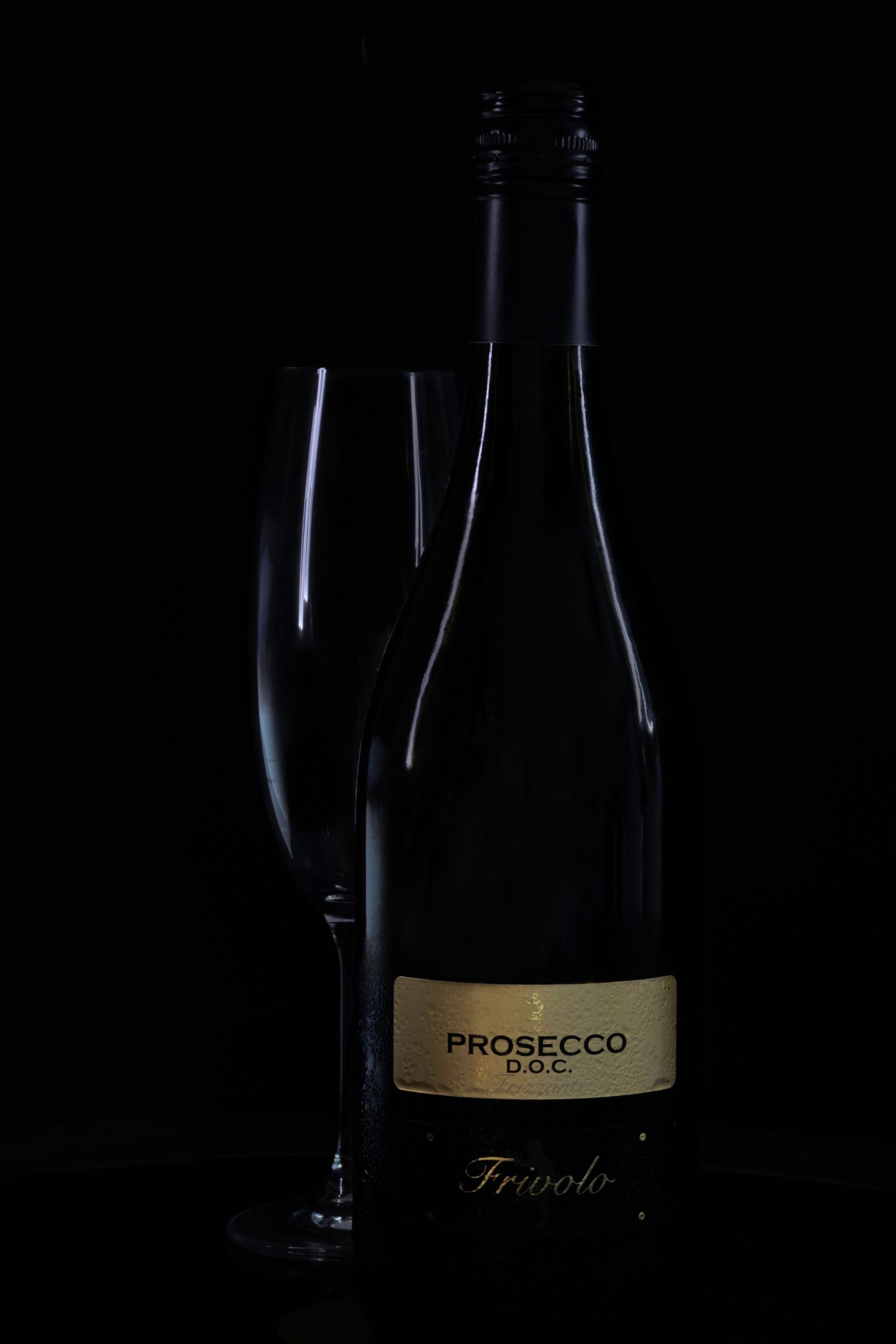
Kosher Prosecco: Every Bottle on the Shelf, $9.99 to $27.99
Nine kosher Proseccos, cheapest first, with the hechsher and the alcohol on each. Glera from the Veneto, fermented in a steel tank rather than the bottle, which is why it tastes of green apple and pear instead of toast. Seven of the nine are mevushal. Also: why extra dry is sweeter than brut, and how cold to serve it.
-

Kosher Wine in a Can: The Whole Shelf, Sweet to Dry
Ten four-packs from $16.99 to $24.99 - sparkling moscato, dry Israeli rose, a real gin and tonic, a brunch mimosa and a pina colada, all in 250ml cans. Which are mevushal, which are kosher for Passover, and which pack to grab for a park, a kiddush or a Shabbos brunch.
-
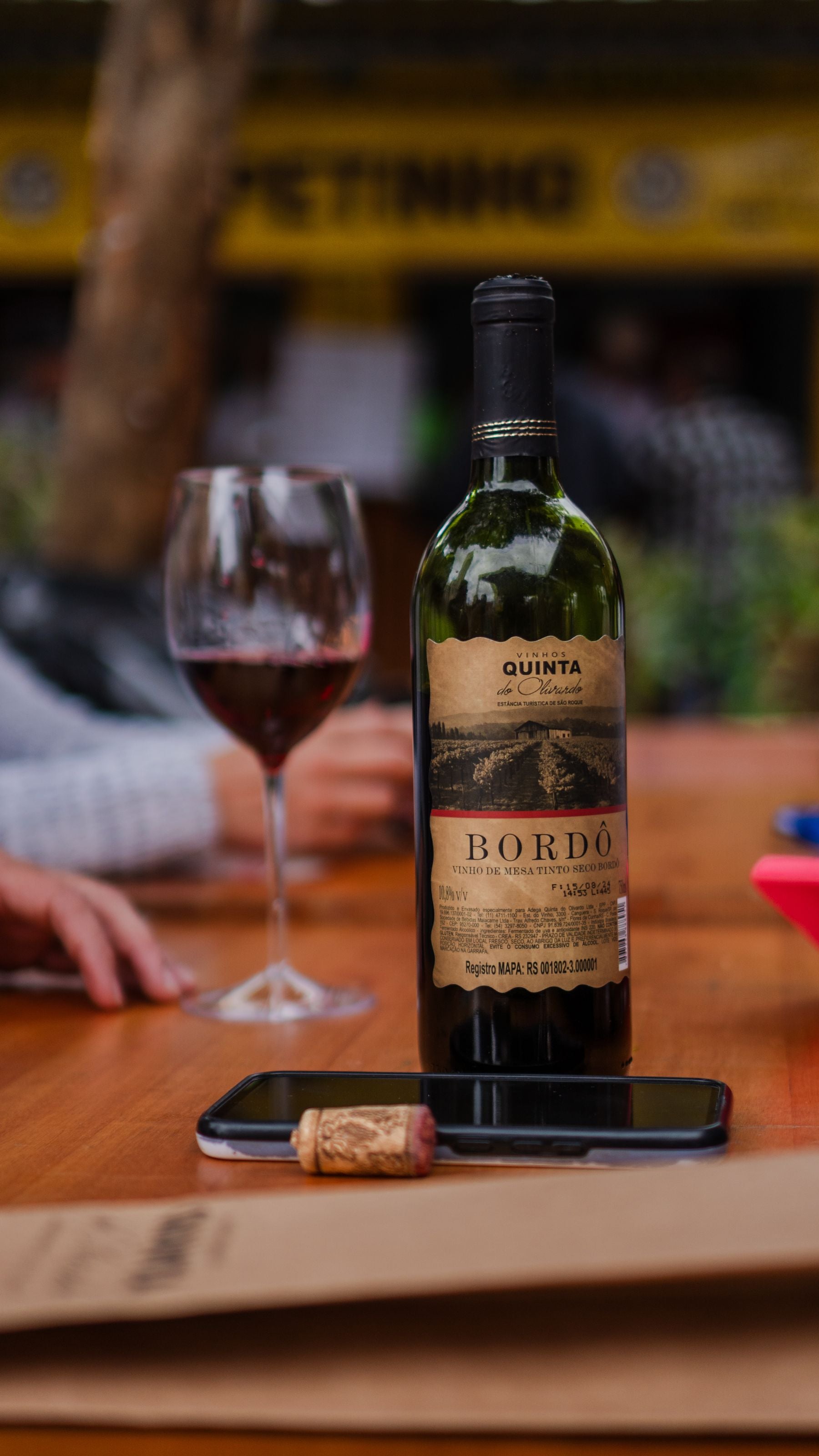
The Rashi Range Explained: Joyvin, Claret and Concord
Seven Rashi bottles from $7.99 to $19.99, running from 5 percent alcohol to 11 percent. Two are Italian and four are from New York State, the Claret is semi-dry where everything else is sweet, and only some of them are kosher for Passover. The whole range in order, and which one belongs on your table.
-
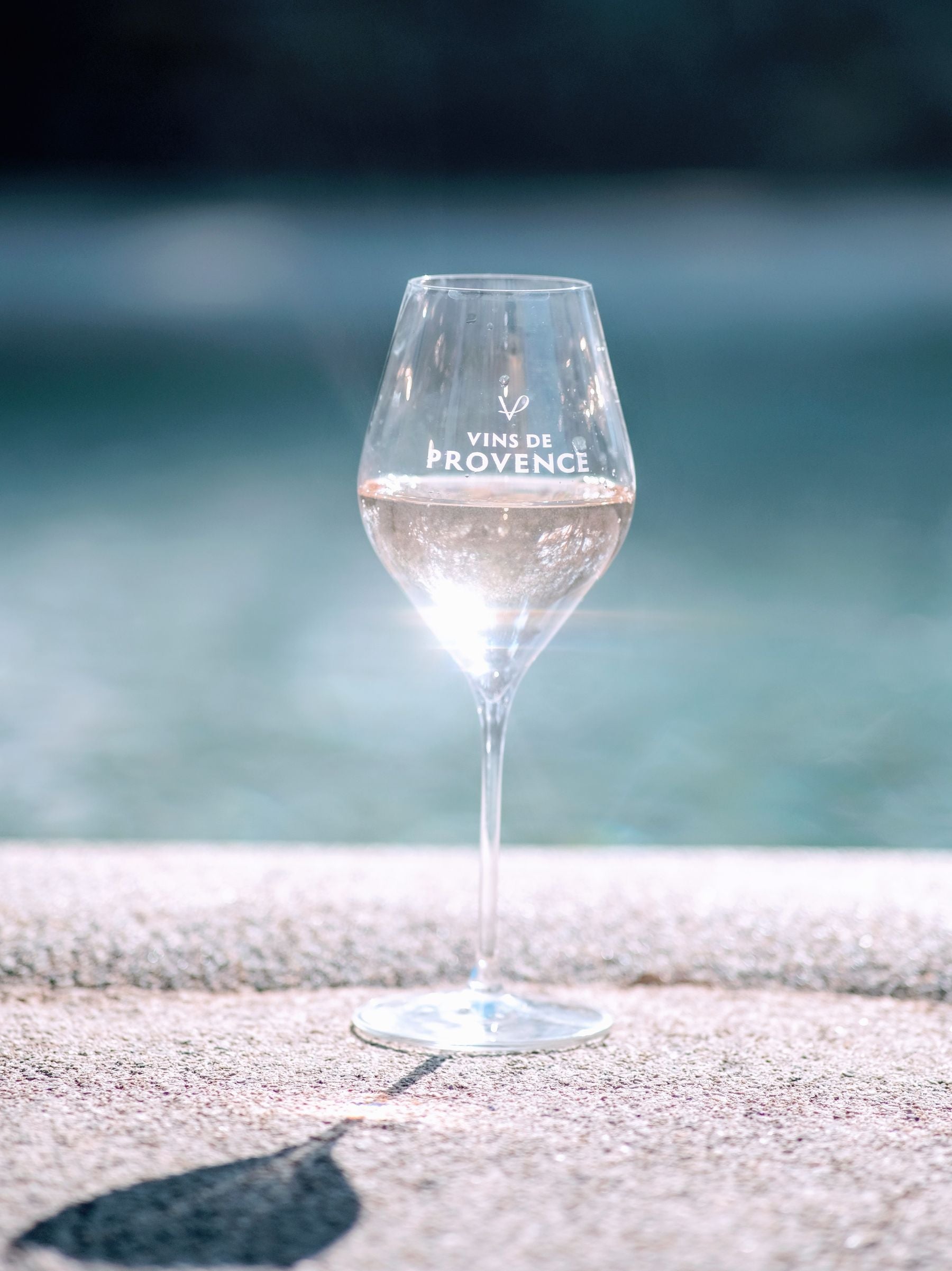
Chateau Maime: Which Provence Rose to Buy
Chateau Maime makes two kosher Cotes de Provence roses twenty dollars apart, and the deciding difference is not the price - the $19.99 Collection is mevushal and the $39.99 is not. What each one tastes like, which table each belongs on, and why pale Provence rose is drier than most white wine.
-
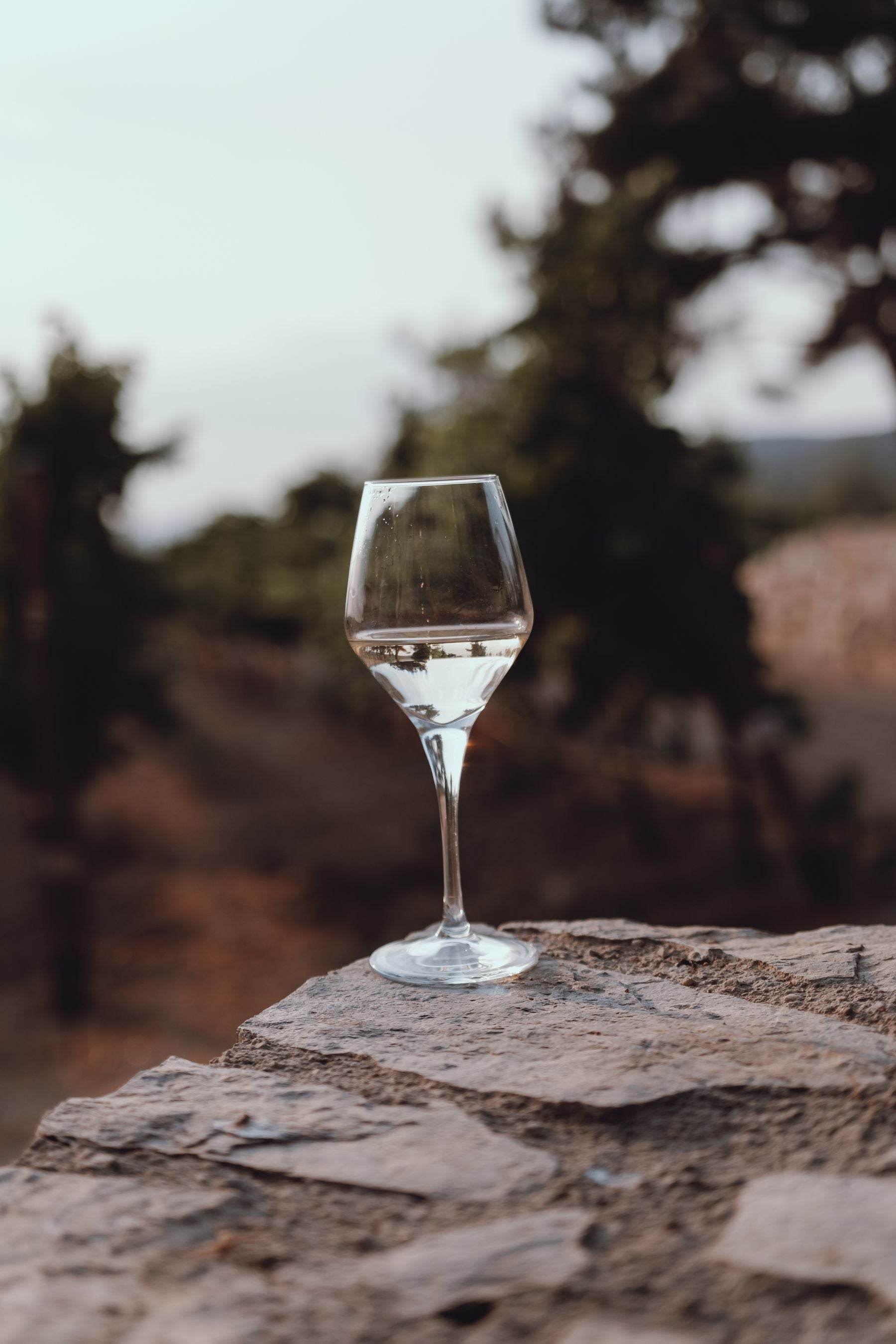
What Is Sancerre? The Loire's Sauvignon Blanc, Explained
Sancerre is a place, not a grape - a hill town in the eastern Loire where white must be Sauvignon Blanc and pink must be Pinot Noir. What Caillottes, Terres Blanches and Silex do to the flavour, why it tastes like wet stone, how it differs from New Zealand, and the three kosher Sancerre on our shelf from $29.99.
-
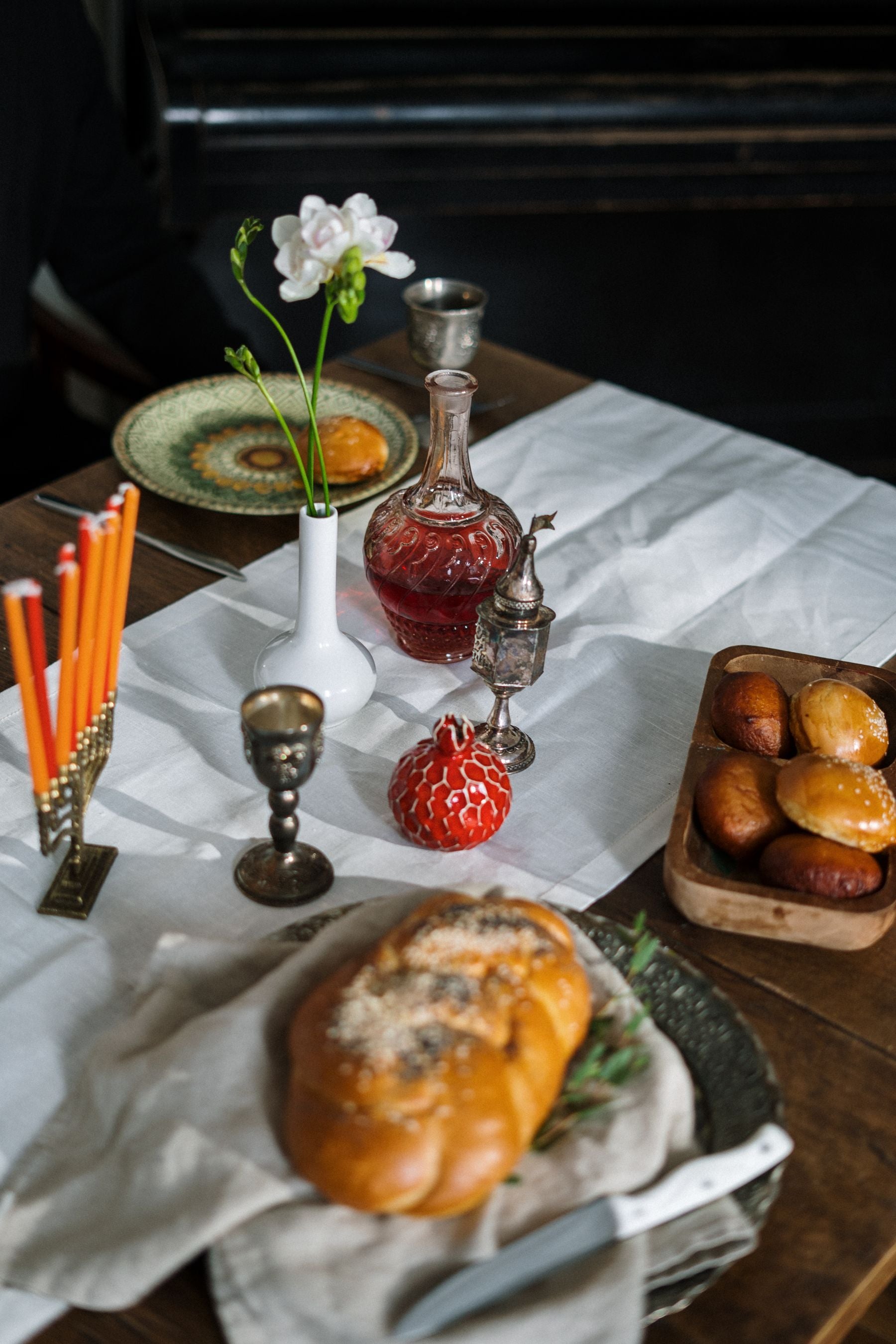
What Is Jewish Wine? A Straight Answer
There is no grape, region or style called Jewish wine. What people usually mean is kosher wine - or the sweet purple Concord bottle from the seder table. Where the sweet stuff came from, what actually makes a wine kosher, and what to drink whether you want dry or sweet.
-

What to Bring to Someone Else's Sukkah
Nine days of walking into other people's sukkahs. What bottle to carry, what to spend on it, why mevushal matters more here than anywhere else, and three things not to bring.
-
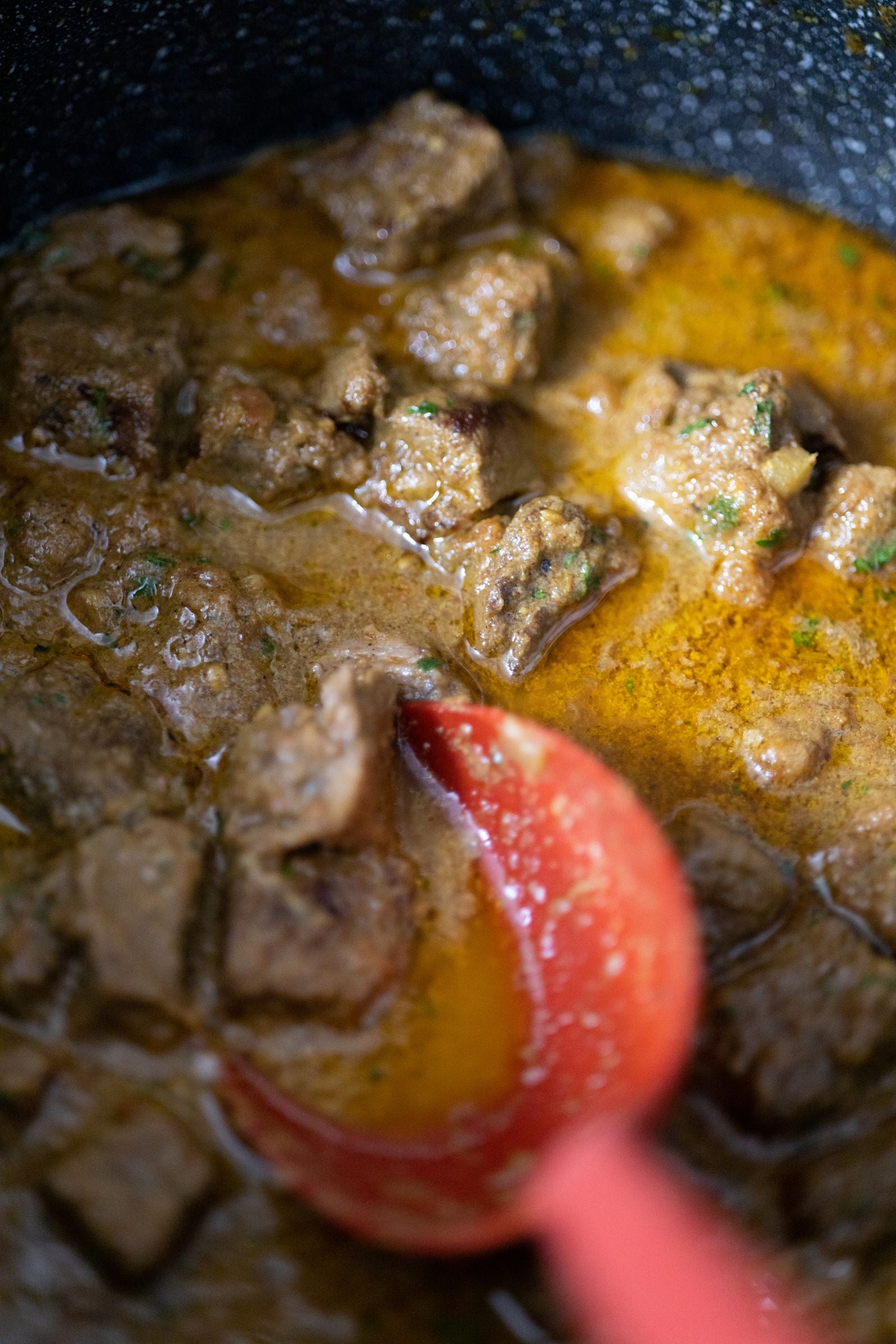
What Wine Goes With Cholent?
Cholent flattens a delicate wine. Here is why it is hard to pair, what to look for in a red that can handle it, why mevushal matters at the day meal, and ten bottles that work.
-

Wine for Sukkos: What to Buy for a Week of Meals
Sukkos 2026 runs September 25 to October 4 - two days yom tov, chol hamoed, then Shmini Atzeres and Simchas Torah. How much wine to buy, why mevushal matters more here, and what to pour.
-
Does Kosher Wine Taste Different? An Honest Answer
No. Kashrus governs who handles the wine, not how it is made. Here is where the old sweet-wine reputation came from, and what modern kosher wine tastes like. -
Mevushal vs Non-Mevushal Wine: What's the Difference, and Which Do You Need?
Mevushal or non-mevushal is the first question at every kosher wine purchase for a simcha. Here's what the term actually means, when it matters, and how to shop for each at Kosher Wine Direct. -
What Makes Wine Kosher? A Plain Explanation
Wine is made from grapes, so why does it need certification at all? A plain explanation of what makes wine kosher, why handling matters more than ingredients, what a hechsher actually tells you, and why kosher wine got so much better.