
Teperberg: Israel's Oldest Family Winery, Every Range Explained
Teperberg has been making wine in Israel since 1870, which makes it the oldest family-owned winery in the country. Twenty-five Teperberg bottles sit on our shelf right now, from the everyday bottles to the flagship, and almost nobody can tell you what separates them. That is the problem this page solves.
The names are the key. Vision, Impression, Inspire, Essence, Legacy, Providence. They are not flavors or grapes. They are price tiers, and once you know the ladder you can buy from Teperberg without guessing.
The ladder, cheapest to dearest
| Vision | The everyday range. Weeknight and Shabbos table. |
| Moscato | Sweet, low alcohol, white and red. |
| Impression | A real step up, mostly mevushal. |
| Inspire | Unusual blends. The experimental line. |
| Essence | Single varietals, oaked, Judean Hills. |
| Legacy | Top tier. The grapes nobody else bottles alone. |
| Providence | The flagship. Eight barrels a vintage. |
Vision: the one most people own
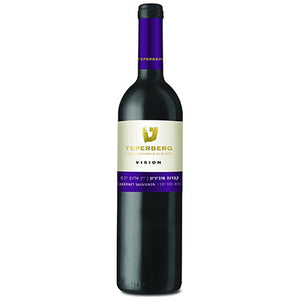
Seven Vision bottles, all at one price, and this is the range that put Teperberg in most Brooklyn kitchens. It is dry, straightforward wine that does not ask for attention.
- Vision Cabernet Sauvignon, 13.5%, Judean Hills. Blackcurrant and plum with a light herbal edge, modest tannin. Roast chicken, burgers, brisket, cholent.
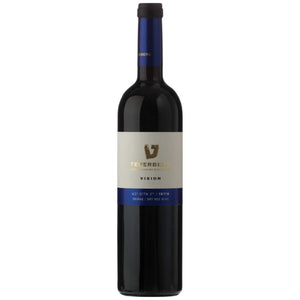
- Vision Malbec. Darker and smoother, the one we hand to people who say they do not like red wine.
- Vision Shiraz. More peppery and savory than the Australian style.
- Vision Merlot, the soft option.
- Vision Cabernet Sauvignon / Petite Sirah. The cheapest honest lesson in what Petite Sirah adds to a blend, because the label tells you it is in there. We went into the grape properly in what is Petite Sirah.
- Vision Dry White and Vision Semi-Dry White, the two whites.
If a bottle is going on a table where somebody else is pouring, the Vision Dry White is marked mevushal on its listing. If that word means nothing to you yet, we explained it in mevushal vs non-mevushal.
The two Moscatos
Teperberg White Moscato is 8% alcohol, sweet and light, Muscat grape with peach and orange blossom. It comes in a heavy faceted bottle that looks better on a table than its price suggests. Serve it very cold, in a white wine glass. Warm Moscato turns syrupy.
Teperberg Sweet Red Moscato is the same idea in red, and it is mevushal and kosher for Passover on its listing. Sweet, juicy, red fruit. It wins over people who insist they only drink white.
Impression: the Shabbos workhorse
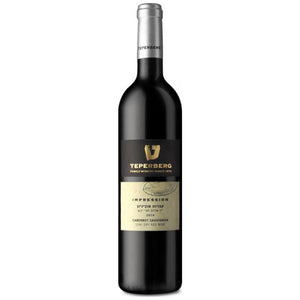
Impression Cabernet Sauvignon is the one to know. Samson region, 13.5%, full-bodied and dry, ripe blackcurrant and plum with a soft oak lift and a warm cedar middle. It is mevushal, which is why caterers reach for it, and it is dry enough to meet a brisket head on.
Also in the tier: Impression Cabernet Semi-Dry for a table that wants a touch of sweetness, Impression Merlot, and Impression Chardonnay.
Inspire: the odd ones
Inspire is where Teperberg does things other Israeli wineries do not. Inspire Devotage is a Malbec and Marselan blend from the Ayalon Valley, eight months in French oak. Marselan is a crossing of Cabernet Sauvignon and Grenache, and it brings a Mediterranean spice edge that lifts Malbec's dark center. Mevushal and kosher for Passover on the listing. Dark cherry, blackberry, velvety tannin, a long finish.
Next to it sit Inspire Meritage and Inspire Famitage White.
Essence: single grapes, oaked
Essence is Judean Hills fruit given real oak. Essence Cabernet Sauvignon is dark and concentrated, raspberry and blueberry against oak and coffee, rich and heavy with balanced acidity. Essence Malbec at the same money is one of the most looked-at bottles on this site, because Israeli Malbec is a small category and this is its flag-bearer.
Also here: Essence Merlot, Essence Rosé, a dry cold-fermented pink with crisp red berry, and Essence Fortress, the fortified bottle, nutty and long. We put Fortress in context in what is port wine.
Legacy: the serious ones
The Legacy labels carry a reproduction of a handwritten postcard from the family archive. The winery has been in Jerusalem since 1870 and it wants you to know it.
Legacy Cabernet Franc is the one people search for by name. 14%, red currant and violet with a leafy, peppery streak, fine tannin and a savory core. That green pepper note is the point of Cabernet Franc, not a flaw. Do not over-chill it or it takes over.
Legacy Petite Sirah is the concentrated, grippy version of a grape usually used for color in a blend. Legacy Petit Verdot is the same idea with the other Bordeaux supporting grape. Both are Yom Tov bottles for a table with a rib roast on it.
Providence: the flagship
Teperberg Providence is a Cabernet-dominant blend drawn from the eight finest barrels the winemaking team picks each vintage. Full 15%, deep opaque ruby, blackcurrant and cassis against cedar, tobacco and dark chocolate, with espresso and mocha through the middle and firm structured tannin. Very long and spiced. Kosher for Passover on the listing, and the page records it as not mevushal.
This is the prime rib and dry-aged steak bottle, or the gift for someone who will notice.
A note on the hechsher
Teperberg's lines are not all under the same hashgacha. Most of the range records Badatz Beit Yosef on its listing, and the Essence Cabernet records OU. Check the individual bottle page for the one you are buying rather than assuming the winery is uniform.
Which Teperberg should you actually buy?
- A case for the house. Vision Cabernet Sauvignon or Vision Malbec.
- Shabbos with guests, poured by a caterer. Impression Cabernet Sauvignon, mevushal.
- Something nobody at the table has had. Inspire Devotage.
- A real bottle without flagship money. Essence Malbec.
- Yom Tov or a present. Legacy Cabernet Franc, or Providence.
The whole range is in the Teperberg collection. For where the winery sits among the rest, see Israel's wine regions, the best Israeli reds, and the wider Israeli wine shelf.
Free shipping on orders $150+ in the lower 48.