
Kosher Wine Guides
-

What Is Saperavi? Georgia's Inky Red Grape, Explained
Saperavi is Georgia's flagship red grape, and one of the few in the world with red flesh as well as red skin, which is why the wine comes out nearly black. Blackberry and black plum over dried herb and iron, firm tannin, real acidity. Why Kindzmarauli is the same grape under a place name, and three dry bottlings from $18.99 to $47.99.
-

Kosher Champagne: The Three Houses and What They Cost
Only wine from the Champagne region of France is Champagne, and three houses bottle a certified kosher cuvee: Drappier, Laurent-Perrier and Barons de Rothschild. Prices from $64.99 to $124.99, which two bottles are mevushal, which one to pick for a toast, and the sparkling options under $25.
-

What Is Primitivo? Puglia's Zinfandel, Explained
Primitivo is Zinfandel. Same grape, same DNA, different passport, and for most of the last century nobody knew the two were related. The name comes from the Latin for first to ripen, not from primitive, and early ripening is the whole personality of the grape: it is why both names produce full, ripe, jammy reds rather than lean ones. Here is how the Italian version differs from the California one on place, alcohol and oak, plus the two Salento bottles on our shelf: the mevushal Lovatelli at $18.99 for a weeknight, and the amphora-aged Masso Antico Le Anfore at $59.99 for a meal that matters.
-

What Is Tola? Italian Wine and Cola in a Can
Tola is Italian white wine mixed with cola, sold cold in 250ml cans, four to a pack for $16.99. People search the name, see the word wine next to the word cola, and want to know whether that is a real thing. It is, and it is older than the can: mixing wine with cola is a Basque habit from the 1970s called kalimotxo. Tola runs the same idea through an Italian filter and swaps the red for a white, which is why it lands lighter and more citrusy. Here is what is in the can, why 7% is the number to notice, and where it sits on a sweetness ladder against the other four-packs on the shelf.
-

Hajdu Wines: The Range, Bottle by Bottle
Hajdu is a name people search on its own, with no grape and no vintage after it, because somebody poured one at a Shabbos table and the bottle looked serious. Jonathan Hajdu is the winemaker alongside Jeff Morgan at Covenant, and Hajdu Wines is his own small-lot label made in the same Berkeley space. Six bottles, $32.99 to $99.99: an old-vine field blend, a dry saignee rose, a Grenache our sommelier will not stop talking about, an ancient-vine Zinfandel, a whole-cluster Syrah and a Napa red blend. Here is what each one is, plus the single fact that decides which of the six you take home: only one bottle in the range is mevushal.
-

Psagot Winery: A Guide to the Range
Psagot is a name people search on its own, with nothing after it, and then land on a shelf of twelve bottles with tier names that explain nothing. Sinai, De'Vine, Prat, Edom, Peak, Jewel. Here is what each one is, from the $27.99 house red up to a $249.99 brandy aged twelve years in a cave that watched the Second Temple stand, plus the buying decision that trips people up: only three bottles in the whole range are mevushal, so the simcha shelf and the dinner-table shelf are not the same shelf.
-

Mony Winery: A Guide to the Range
Mony is a family winery on monastery grounds in the Judean foothills near Bet Shemesh, and the whole range runs from $17.99 to $99.99 under one name. Four tiers: Wave, the only mevushal bottle and the kiddush pour; three Reserves at an identical $29.99 so you pick on flavor alone; three Supremes at $59.99 that are genuinely different wines; and Via, the Bordeaux-style flagship. What each one tastes like and which belongs on your table.
-

Shiloh Winery: A Guide to the Range
Shiloh is one of the names people search on its own, with nothing after it, and then land on a shelf of fifteen bottles with tier names that explain nothing. Shor, Privilege, Legend, Secret Reserve, Mosaic. Here is what each tier is, from the $28.99 four-grape winemaker's blend up to the $159.99 magnum, plus the one thing nobody tells you: Shiloh bottles the same flagship twice, once mevushal and once not, two or three dollars apart, so you never have to choose between the rule and the wine.
-

Wine for Havdalah: Which Bottle, How Much, and What to Do With the Rest
The one cup of wine every week that nobody plans for. How much a havdalah cup actually holds, why a 375ml half bottle beats a full one, whether it has to be sweet, what to do with the overflow, and the mevushal bottles to buy from $7.69, plus how to work out a year of Saturday nights in one order.
-

What Is French Colombard? The Grape Behind Israel's Everyday Whites
French Colombard is one of the most widely planted white grapes in the world and almost nobody drinks it on purpose. It is a blending grape - the one other grapes borrow acidity from - and it started life in the Charente being distilled into Cognac. It holds its acid in heat, which is exactly why Israeli wineries plant it. What it tastes like, why Chardonnay needs it, the three bottles we have with Colombard in them from $14.99 to $21.99, and why the label sometimes says Colombar instead.
-

The Or Haganuz Range Explained: Eight Bottles from Mount Meron
Or Haganuz is one of only three names anyone has typed into our search box in the last two months, and the winery behind it sits at the foot of Mount Meron in a village founded by Chassidic families who came to farm and to learn. Eight bottles from $19.99 to $64.99, split into the everyday Amuka tier and the serious Marom and Har Sinai end. Every one is OU. Which is mevushal, which is only 9% alcohol, what makes a varietal Cabernet Franc worth $31.99, and the difference between the two port-style sweet reds.
-
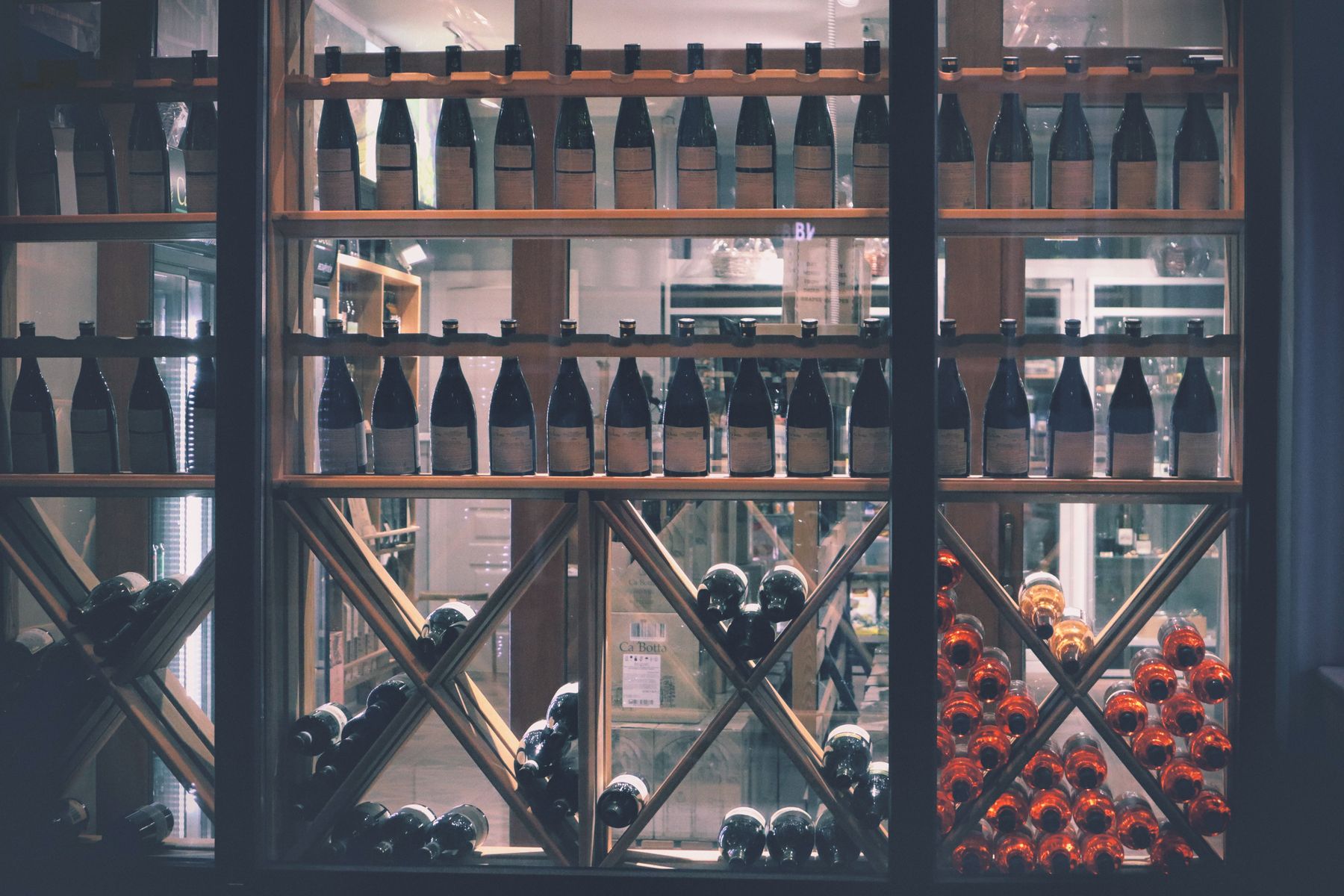
Kosher Wine Brands: The Names Worth Knowing
A kiddush pour, a Pesach case and a bottle for your father-in-law are three different problems, so here are the kosher wine brands that matter grouped by the job they do. Under $20: Barkan, Carmel, Kedem, Bartenura and Baron Herzog. The middle ground at $20 to $30: Dalton, Teperberg, Herzog and Binyamina. For when it matters: Yarden, Shiloh and Psagot. Real prices on every one, plus the question that matters more than the brand name - whether you need mevushal.