
Wine for Havdalah: Which Bottle, How Much, and What to Do With the Rest
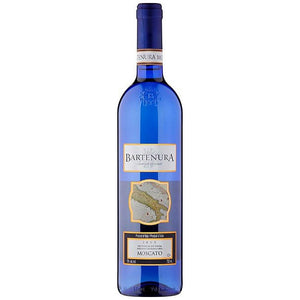
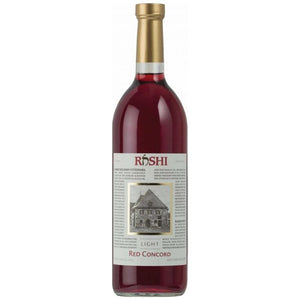


Bottles to reach for at Havdalah: Bartenura Moscato (375ml) (OU), Kesser Concord Grape Sweet and Rashi Light Red Concord (OU).
Havdalah is the one cup of wine every week that nobody plans for. Friday night gets the good bottle. Shabbos lunch gets whatever is open. Then Saturday night arrives, the candle is lit, and somebody is holding up a bottle with two inches left in it asking whether this is enough.
It is a small question with a practical answer, and getting it right costs about eight dollars a week. Here is which bottle, how much, and what to do with what is left in the cup.
How much wine you actually need
The cup for havdalah is a revi'is, the same measure used for kiddush, and in practice that lands somewhere between three and four and a half fluid ounces depending on which opinion your family follows. Ask your rav where your house sits on that, because the range matters when you are buying.
Take the middle of it and a standard 750ml bottle holds roughly six to eight havdalah cups. So one bottle covers about six to eight weeks if havdalah is all it is doing. That is the number most people get wrong in the other direction, buying a magnum for a cup of wine.
There is also a widespread custom to fill the cup until it overflows, as a sign of blessing, with a plate underneath to catch it. If you keep that custom, build in a little extra. For the arithmetic on cups per bottle in general, see how many glasses in a bottle of wine and how many ounces in a bottle of wine.
The small bottle is the right answer
This is the single most useful thing in this guide. A 375ml half bottle holds about three to four havdalah cups, which means you open it on a Saturday night and finish it inside the month rather than leaving a 750 to sit in the fridge going tired. A bottle that has been open for six weeks is not a nice cup of wine, whatever it cost. See how long open wine lasts.
Bartenura Moscato in the 375ml is the obvious one. Sweet, light, mevushal, and the whole table will drink the rest of the cup instead of politely declining. Bartenura Sparkling Rose in the 375ml is the same idea with bubbles, and it makes a Saturday night feel like something. Full range of formats in wine bottle sizes explained.
Sweet or dry for havdalah?
Nothing requires sweet wine. The reason almost every house uses it anyway is that havdalah is a cup somebody has to drink most of, standing up, after a full Shabbos of eating, and a sweet wine goes down where a tannic red does not.
There is also the children. Havdalah is the one part of the week where the youngest in the room is watching closely and usually gets a sip, and a sweet concord is a much better first impression of Jewish wine than a dry Cabernet.
If you want dry, nobody is stopping you. A light, soft red is the one to pick, not a big oaky one, because the cup is going down in a few mouthfuls with no food around it.
What to pour
Every one of these is mevushal, which matters if you are making havdalah with guests in the house and somebody else may pour or carry the cup. The full explanation is in mevushal versus non mevushal.
| If you want | Pour this |
|---|---|
| The classic, sweet and dark | Concord, the taste most people mean by Jewish wine |
| Something lighter and sweet | Moscato, low in alcohol and easy after a long meal |
| Sweet but not syrupy | Malaga or a light semi sweet red |
| Dry, and you will finish the cup | A soft young Cabernet or Merlot, nothing oaky |
| One bottle for the whole Shabbos | A 1.5L semi dry that carries kiddush and havdalah both |
Kedem Malaga is the cheapest sensible havdalah bottle in the store, and it is the one a lot of people grew up with. Kesser Concord Grape Sweet and Rashi Light Red Concord are the two concords to know, the Rashi being the lighter of the pair in both body and alcohol.
Bartenura Moscato in the full size is the one everybody recognizes by the blue bottle. For a semi sweet red that is a step up from concord without being dry, Joseph Zakon Moscatini Red is the pick, and there are more in the best semi sweet reds.
If you would rather buy once and cover the whole Shabbos, Kesser Eminent Semi-Dry in the 1.5L does Friday night, lunch and Saturday night out of one bottle. And for a dry cup, Baron Herzog Jeunesse Cabernet Sauvignon is soft enough to drink without food.
What to do with the leftover wine
The cup is filled past what one person drinks, which is deliberate. The common custom is to pour a little of the overflow into a dish and use it to extinguish the havdalah candle, and in many homes a drop is dabbed on the eyes or pockets afterward. Customs vary house to house and this is the kind of thing to follow your family on rather than a blog.
What is left in the bottle goes back in the fridge with the cork in, and a sweet wine will hold up for a week or two without complaint. Sugar is a preservative, which is why a concord forgives a slow week in a way a dry red does not.
Buying for a year of Saturday nights
Work it backward. Fifty two havdalahs, three to four ounces each, is roughly six to eight 750ml bottles for the year if havdalah is the only job they do. A case covers it with room for guests, and it is the one standing order worth putting on a shelf and forgetting about.
Browse the kiddush wine selection, which is the same shelf havdalah draws from, or the semi sweet range and the Moscato range. Free shipping on orders $150+ in the lower 48, which a case clears easily.
Havdalah wine in one line
Buy a sweet mevushal bottle, buy it small unless you are feeding a crowd, and count three to four ounces a week. For the background on why wine sits at the center of all of this, read what is Jewish wine and the four cups at the seder.