
What Is Chocolate Liqueur? Every Kosher Bottle on the Shelf
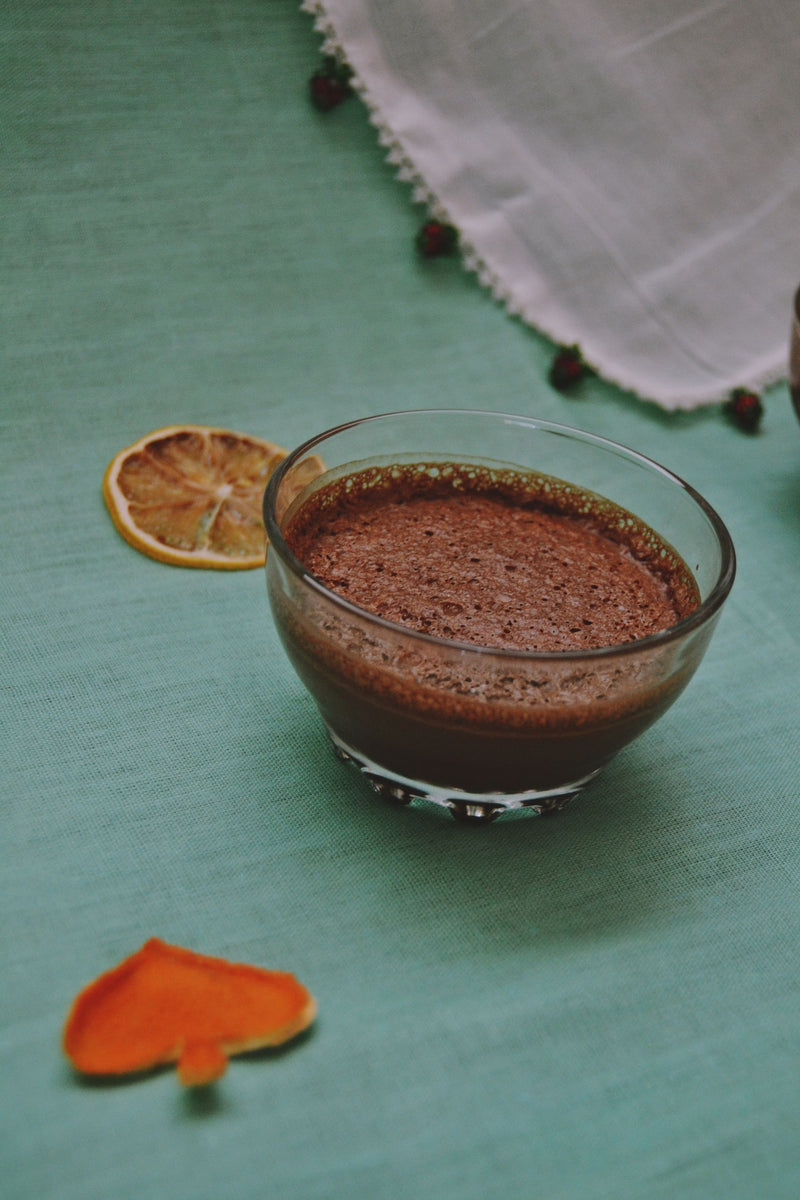
Chocolate liqueur is the bottle that comes out when the coffee does. It is not a serious spirit and it is not trying to be — it is dessert you pour. But the kosher chocolate shelf is wider than most people realise, and the bottles on it are genuinely different from one another: different strengths, different countries, different kinds of chocolate, and different answers to the two questions that actually decide which one you buy — is it pareve, and is it good for Pesach.
Here is the whole category, in plain terms.
The quick answers
| Question | Answer |
|---|---|
| What is it | A sweet liqueur flavoured with cocoa or real chocolate |
| Typical strength | 15% to 17% alcohol |
| The strong one | Sabra, at 30% |
| Styles | Milk, dark, white, hazelnut, orange, mint, pistachio |
| How to serve | Cold — freezer or one big cube |
| Price on our shelf | $10.99 to $39.99 |
The shelf is here: Liqueur, and the wider sweet end of the table is in Dessert.
What it actually is
A chocolate liqueur is a neutral spirit, sugar, and chocolate or cocoa. That is the whole recipe. The differences between bottles come from which chocolate and how much sugar, and you can taste those differences immediately — a Swiss milk chocolate liqueur and a dark Dutch cocoa one are not variations on a theme, they are two different drinks.
The one thing worth knowing before you pour: almost all of them are built to be cold. At room temperature the sugar sits heavy on the tongue and the whole thing reads as syrup. Out of the freezer, the texture tightens and the chocolate comes forward. Cold is not a serving suggestion here, it is the difference between the bottle working and not.
The milk chocolate one: Schmerling's
Schmerling's Chocolate Liqueur is exactly what the name promises: the Swiss milk chocolate from the Schmerling chocolatier line, poured into a bottle. It runs 17% alcohol, it is the sweetest bottle in this guide, and it is the one that tastes most like a chocolate bar rather than a cocktail ingredient.
Two things make it the default pick. It is listed OU-Pareve with a Beis Din Zurich hechsher, which means it can come out after a fleishig meal — the single most common reason a chocolate bottle gets left in the cupboard. And there is a 375ml bottle, which is the right size if you are testing the category rather than committing to it.
The Italian one: Bicerin, and what gianduia means
Bicerin Originale is a full litre at 15%, made by Distillerie Vincenzi outside Turin. The name is not a brand invention. Bicerin is a real Turinese drink — espresso, chocolate and milk layered in a small glass — and the liqueur is built to taste like it.
What you get is chocolate and hazelnut, because Turin is the home of gianduia, the cocoa-hazelnut paste that the rest of the world now knows in spreadable form. Bittersweet cocoa, toasted hazelnut, and a thread of coffee bitterness running through the middle that keeps it from going cloying. It is OU-certified and the listing records it as naturally dairy-free and gluten-free.
The same house makes Bicerin White Chocolate, also a litre at 15%, which is a different proposition entirely: pale, creamy, white chocolate and vanilla, no cocoa bitterness to balance it. Pour that one smaller.
The dark ones: Heavens and Lavie
If the milk chocolate bottles read as too sweet, the dark cocoa bottles are the fix.
Heavens Artisan Classic Chocolate is an Israeli small-batch cordial at 17% built on real dark cocoa. It drinks like a good dark chocolate bar rather than a confection — cocoa, roasted almond, warm vanilla, and a finish that stays bitter enough to be grown-up. Its listing records it as Kosher for Passover.
Lavie Dark Chocolate takes the same side of the argument from a different direction: premium Dutch cocoa, a fermentation step that deepens the aroma, and no preservatives, artificial flavours or colouring. It carries a hechsher from Rabbi Gruber and is also Kosher for Passover with no kitniyot concern, which is genuinely rare in this category. There is a small bottle if you want to try it first.
Lavie also runs the widest flavour range on the shelf: Orange Chocolate, Chocolate Mint, and Pistachio Chocolate.
The nostalgic one: Sabra
Sabra Chocolate Orange's red bulb-shaped bottle has been on Jewish sideboards for about sixty years. Dark chocolate and bitter Jaffa orange peel, imported from Israel, and it tastes the way people remember it tasting.
One warning that matters: Sabra is 30% alcohol — roughly double every other bottle here. It is sweet enough that people pour it like a cordial and strong enough that they should not. Small glass, cold, after dinner.
Which one should you buy
| If you want | Buy |
|---|---|
| Pareve, after a meat meal | Schmerling's |
| Kosher for Passover | Lavie Dark or Heavens |
| Chocolate and hazelnut | Bicerin Originale (1L) |
| Dark, not sweet | Heavens Artisan |
| The one your parents had | Sabra |
| To try it cheaply | Lavie small bottle |
How to use the bottle once it is open
Three things work every time and need no recipe. Cold and neat in a small cordial glass. Over vanilla ice cream, where the cold fat and the sugar do each other a favour. And splashed into coffee, which is the single best use for the hazelnut Bicerin.
Beyond that, a chocolate martini is just chocolate liqueur, vodka and a hard shake with ice, and it is better with a dark bottle than a milk one. If you are serving it at a kiddush, the white chocolate and mint bottles go further alongside babka and rugelach than the dark ones do.
Near neighbours
If chocolate is not quite it, the same part of the table holds coffee liqueur, Walder's cream liqueur, cherry liqueur and the herbal end of things in Bénédictine D.O.M. And if the hechsher question is the one you actually came with, read is it kosher: liquor.
We ship to all fifty states.