
Kosher Shiraz: What It Tastes Like and Which Bottle to Buy
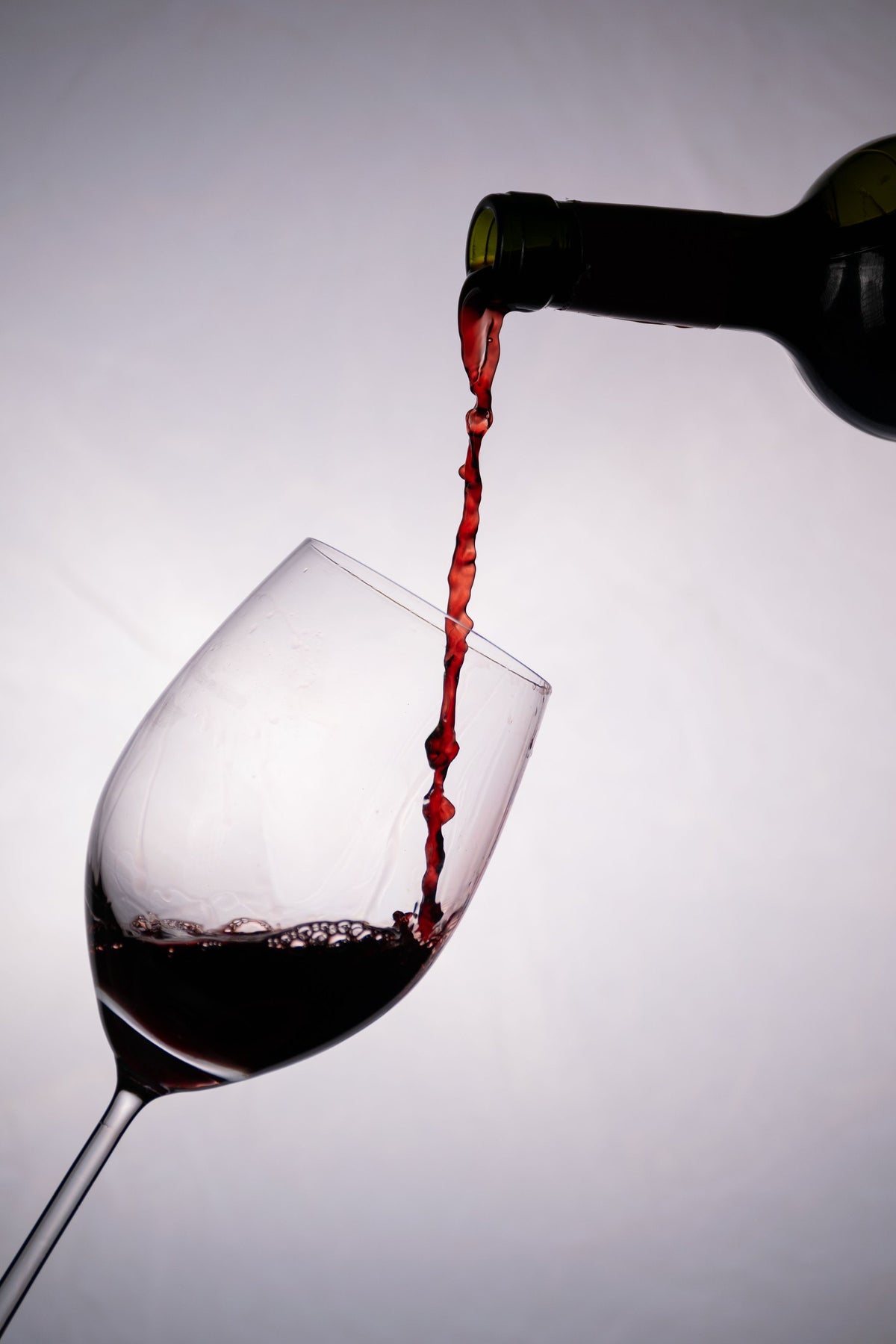
Shiraz is the wine people reach for when they want a red that tastes like something. Not subtle, not shy: dark fruit, black pepper, a warm finish that fills your mouth and stays there. It is the grape that made Australian wine famous, and it has quietly become one of the best things Israel does.
Our Shiraz shelf is one of the deepest on the site, and it runs from under fifteen dollars to over sixty. Here is how to read it.
Shiraz and Syrah are the same grape
Let's clear this up first, because it trips up more people than any other question about this wine. Shiraz and Syrah are one grape with two names. France calls it Syrah and makes it in a restrained, peppery, savoury style. Australia calls it Shiraz and makes it riper, bolder and sweeter-fruited. Israel does both, and labels it either way.
So the name on the bottle tells you more about the winemaker's intention than about the grape. A bottle that says Syrah is usually signalling restraint; a bottle that says Shiraz is usually signalling generosity. Our full breakdown lives at Syrah vs Shiraz, but that is the short version.
What Shiraz actually tastes like
Blackberry and plum up front, almost jammy in the warmer styles. Then black pepper, this is the grape's signature, and once you notice it you cannot un-notice it. Underneath there is often something savoury: smoked meat, olive, dried herbs. Oak adds vanilla and a little chocolate.
It is full-bodied and the tannins are firm but rounded, which is why it drinks well young. Where a young Cabernet can feel like chewing on a tea bag, a young Shiraz is usually already friendly. If tannin is a word you nod along to without being sure about, what tannin actually is explains it properly.
Under $20: the everyday bottles
Teal Lake Shiraz at $13.99 is the straightforward Australian version: soft, fruit-forward, no rough edges. It is the bottle to buy by the case for a kiddush or a long Shabbos lunch where nobody is analysing anything.
Barkan Classic Shiraz at $14.99 and Teperberg Vision Shiraz at $14.99 are the Israeli equivalents, and both are a little more savoury than the Australian style: less jam, more pepper and dried herb. Tabor Mt. Tabor Shiraz at $18.99 steps up in concentration for a few dollars more.
J. Folk Shiraz and Carmel Private Collection Shiraz both sit at $19.99 and are the safest bets in this band if you are buying for a table of people with different tastes.
$25 to $45, where Israeli Shiraz gets serious
This is the most interesting stretch of the shelf. Israel's warm, dry growing conditions suit this grape the way they suit almost nothing else, and the wines at this price show it.
Chateau de Galilee Shiraz at $24.99 and Mony Shiraz Reserve at $29.99 are both proper reserve-level wines with real oak and real length. Dalton Reserve Shiraz at $39.99 comes from the Upper Galilee and is one of the most consistently good bottles we sell in this style.
If you want the French reading of the grape, Yarden Syrah at $39.99 is labelled Syrah for a reason. It is tighter, more peppery and more structured than anything above it on this list.
The blends are worth your attention too. Hayotzer Lyrica GSM at $42.99 and Gush Etzion Spring River G.S.M. at $29.99 pair Shiraz with Grenache and Mourvèdre, the classic Rhône trio. The Grenache adds red fruit and lift, the Mourvèdre adds grip. If you find straight Shiraz a bit heavy, a GSM is often the fix.
Over $50: the special occasion bottles
Psagot Homeland at $51.99 and Carmel Mediterranean at $62.99 are both Shiraz-led blends built for a Yom Tov table or a bottle you open slowly. Give either one an hour open before you pour it; they are noticeably better in the second glass than the first.
What to eat with it
Shiraz wants fat and char. Grilled steak is the obvious answer and the correct one. See what wine goes with steak for the details. Lamb is arguably even better, because the herbal edge in the wine meets the herbal edge in the meat.
It is also the right bottle for cholent, which defeats most reds. You need something with enough body and pepper to stand up to a dish that has been cooking overnight. For the general principles, kosher wine and meat pairing covers the rest.
Where to go next
If Shiraz turns out to be your grape, the natural next step is the rest of the Israeli red shelf, where the same warm-climate logic produces excellent Cabernet and Petite Sirah. Our guide to the best Israeli reds and the Israeli wine regions both go deeper.
And if you are new to red wine altogether, Shiraz is one of the friendliest places to start: the best reds for beginners explains why. The whole red wine collection is here whenever you want to browse. We ship anywhere in the country.