
Katlav Winery: A Guide to the Judean Hills Boutique
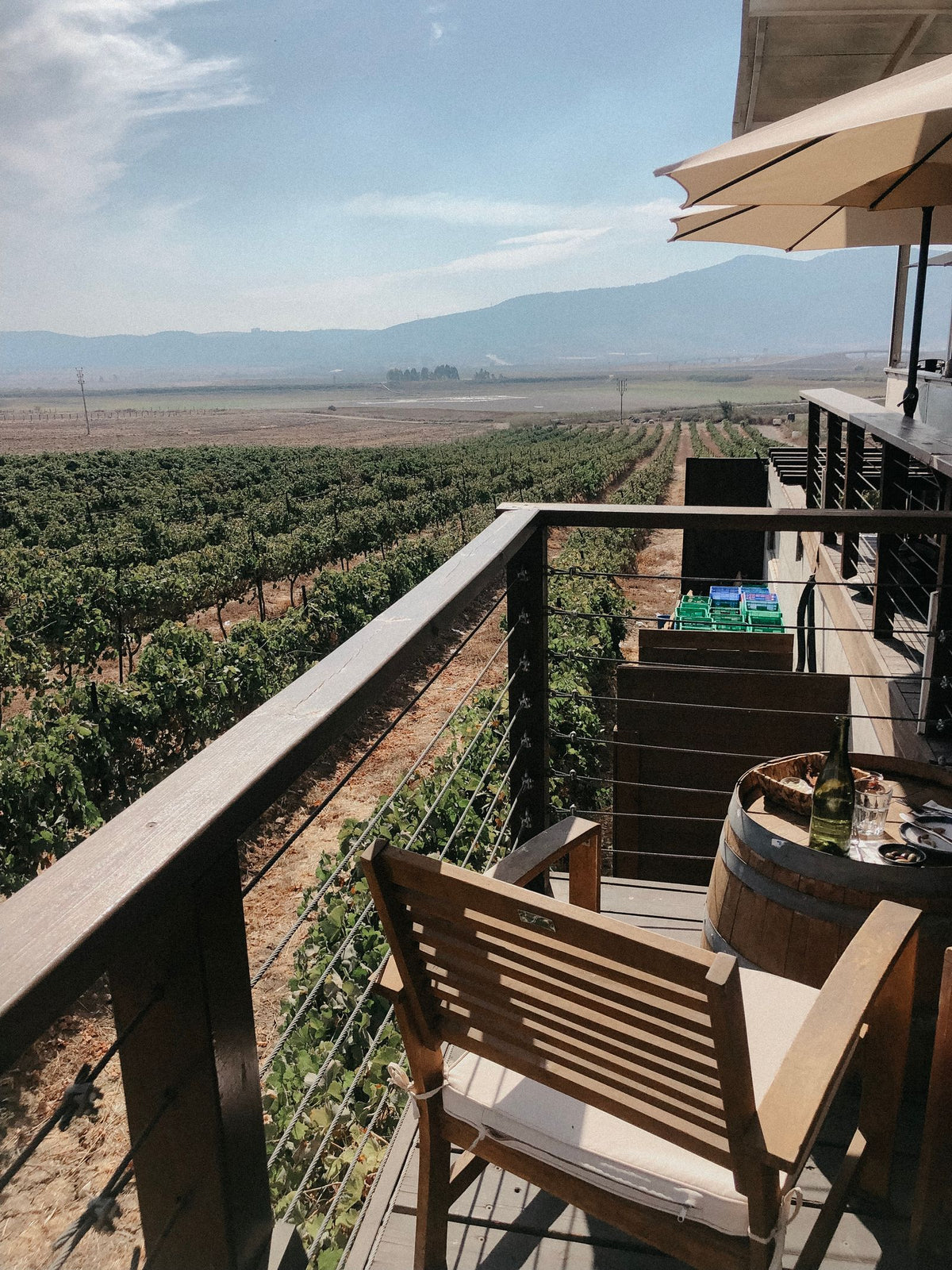
People search this site for Katlav by name. Not for "Israeli red", not for "Judean Hills" - for Katlav. That is unusual for a winery this small, and it is a good sign: somebody had a bottle somewhere and went looking for it afterwards.
If that is you, here is the whole story and the whole range.
Who Katlav actually is
Katlav was founded in 1998 by Yossi Yitach, in Nes Harim. It is one of the first of Israel's boutique wineries - part of the wave of small producers that changed what Israeli wine meant, back when the assumption was still that it came in a sweet bottle from a very large cellar.
Yitach is an architect by trade. He learned winemaking in the mid-1990s from a Persian Jewish family, liked it more than he expected to, and built a winery. He still makes the wine, and he also runs the Judean Hills Winery Club, which puts him at the centre of the region's push to be taken seriously.
The name comes from the katlav, the local name for the strawberry tree that grows wild in these hills - and from Wadi Katlav, the valley it grows in. One of the wines is named for the wadi directly.
Where Nes Harim is, and why it matters
Nes Harim is a small moshav in the Judean Hills, west of Jerusalem, up in the high country. The Judean Hills are now widely thought of as Israel's best region for serious red wine, and the reason is altitude.
Up here the days are hot but the nights drop away sharply. That swing lets the grapes ripen fully without losing their acidity, which is the hard trick in a warm country. The soil is thin and stony over limestone, so the vines struggle a little, and struggling vines make more concentrated fruit.
The full picture of the country's regions is in our guide to Israeli wine regions.
The range
Katlav is a small producer and the list is short. Everything sees a minimum of two years in barrel before bottling.
- Nes Harim Dry Red Blend, $47.99 - named for the moshav. The house wine and the one to meet the winery with.
- Wadi Katlav Dry Red Blend, $47.99 - named for the valley the winery takes its name from.
- Judaica Dry Red Blend, $47.99 - the third of the blends.
- Cabernet Sauvignon Special Reserve, $63.99 - the top of the range and the one to open when it matters. Judean Hills Cabernet is what the region is built on.
- Ben Porat Yossef Port-Style Cabernet Dessert Wine, $47.99 - the outlier. Sweet, fortified in style, made from Cabernet. For the end of the meal.
Kosher status
Katlav's wines are kosher lemehadrin and not mevushal. That is the norm for serious Israeli boutique reds, and it is deliberate - mevushal wine is flash-heated, and producers at this level do not want the heat anywhere near the fruit.
The practical consequence is about who pours. If you are unclear on what mevushal means and when it matters, we have that written up in mevushal vs non-mevushal.
What to eat with it
These are structured, barrel-aged reds with real tannin, and they want fat and protein opposite them. Steak, lamb, a slow-cooked shoulder, brisket. The Special Reserve in particular is a Shabbos-meal wine rather than a Tuesday wine.
If tannin is a word you nod at rather than understand, what is tannin in wine explains what it is doing. For the meal itself, kosher wine and meat pairing and what wine goes with steak are the practical versions.
If you like Katlav
The Judean Hills neighbours are worth knowing, and they run a good way up in price:
- Flam Classico, $48.99 - the same money as Katlav, a good side-by-side.
- Domaine du Castel Grand Vin, $112.99 - the wine that more or less proved the region.
- Tzora Vineyards Misty Hills, $199.99 - the top of the Judean Hills.
- Yatir Forest, $149.99 - from the Negev highlands rather than the Judean Hills, but the same ambition.
The rest is in Israeli red wine. For the Golan side of the country, the Yarden guide covers the other end.
Where to start
Open the Nes Harim first. It is the winery in its plainest form and it tells you whether the house style is for you. If it lands, the Cabernet Special Reserve is the one worth the step up.
New to red wine generally? Best red wine for beginners is a gentler starting point than a Judean Hills Cabernet.