
What Is Ice Wine? And the Two Kosher Ones Worth Knowing
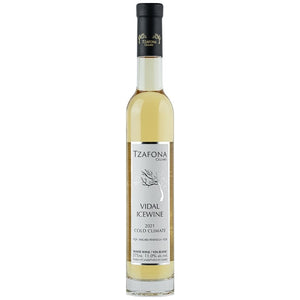
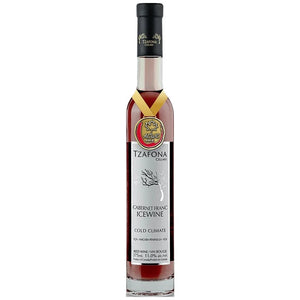
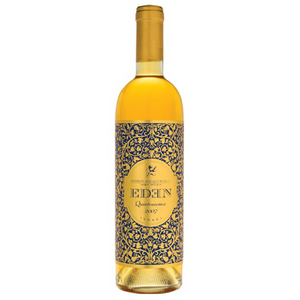
Ice wine is a sweet dessert wine made from frozen grapes. We carry Tzafona Vidal Icewine, Tzafona Cabernet Franc Icewine and Hevron Heights Eden Quintessence Ice Wine (OU).
Ice wine is the most expensive wine on the shelf per ounce and the cheapest way to end a meal properly. A 375ml bottle pours ten small glasses. One bottle does a whole Yom Tov table.
It is also the one dessert wine category almost nobody in the kosher world explains, so people see the price on a half bottle and walk past it. Here is what it actually is, why it costs what it costs, and the two kosher ice wines worth knowing.
What ice wine is
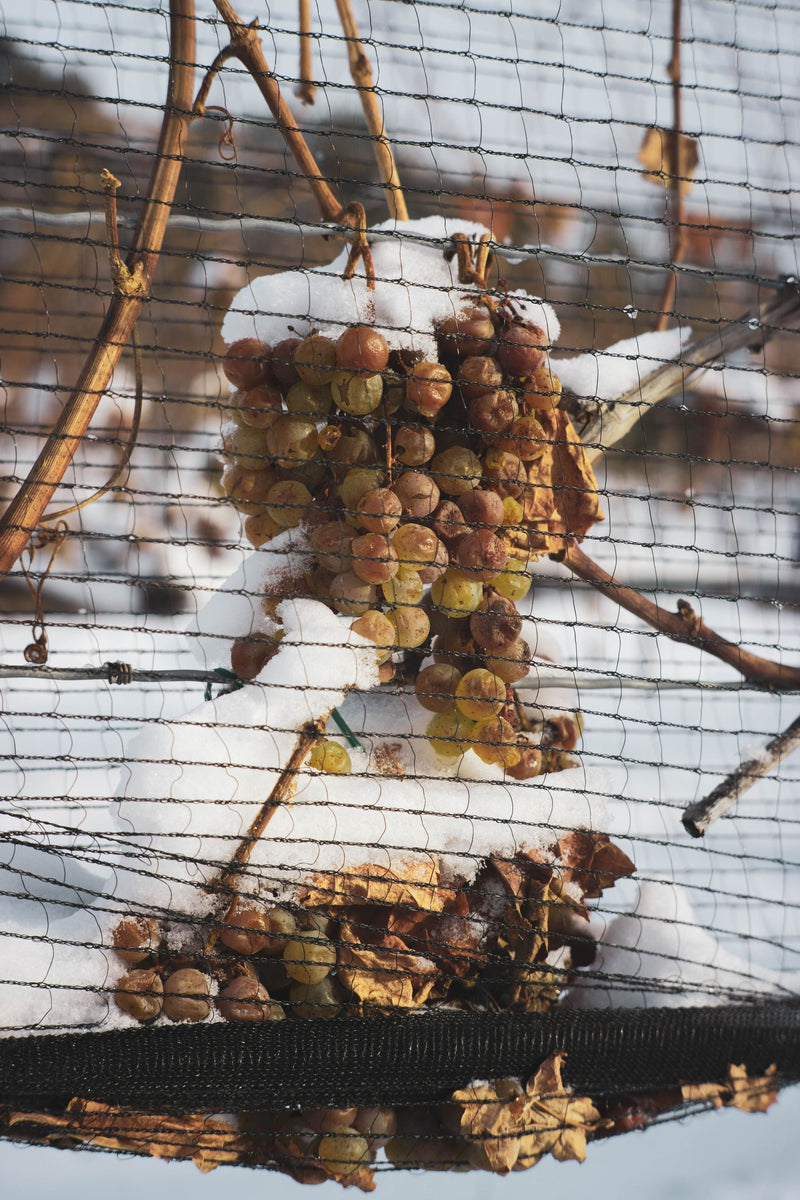
Ice wine is made from grapes that froze solid on the vine before anyone picked them.
That is the whole trick. The grower leaves the fruit hanging through autumn and into winter, past the point where any sane winemaker would have harvested. The grapes dehydrate and the sugar concentrates. Then, when the temperature drops to around minus 8 degrees Celsius, pickers go out, usually at night or before dawn, and harvest the frozen clusters by hand.
The grapes go into the press still frozen. Water in the fruit is ice, sugar and acid are not, so what runs out of the press is a tiny amount of intensely concentrated juice and the ice stays behind. A vine that would have made a full bottle of dry wine makes a few ounces of this.
That is why it is a 375ml bottle and that is why it costs what it costs. You are not paying for prestige, you are paying for the eight out of ten grapes' worth of water that got left in the press, plus the whole autumn the grower gambled on the weather.
Ice wine is not the same as late harvest
People use these interchangeably and they are not the same thing. The difference is where the water goes.
| Ice wine | Late harvest | Fortified (port style) | |
|---|---|---|---|
| How the sugar concentrates | Grapes freeze on the vine, water removed as ice at the press | Grapes hang and dehydrate in warm weather | Fermentation stopped early by adding spirit |
| Typical bottle | 375ml | 750ml or 500ml | 750ml |
| Alcohol | Low, usually 9% to 11% | Moderate, 11% to 14% | High, 16% to 20% |
| What it tastes like | Piercing, bright, acid-driven sweetness | Honeyed, rounder, softer | Rich, warm, chocolate and dried fruit |
| Needs a cold winter | Yes, that is the whole method | No | No |
The practical upshot: ice wine has more acid than any other sweet wine, which is why it does not feel like syrup. It is sweet the way a lemon tart is sweet. Late harvest is sweet the way honey is sweet. Both are good. They are not substitutes.
Why Canada, and why kosher ice wine is rare
You need a region that reliably gets cold enough to freeze fruit on the vine, but not so cold that the vine dies, and with a long enough autumn to get the grapes ripe first. Germany and Austria invented the style as eiswein. Canada's Niagara Peninsula turned out to be better at it than anywhere else on earth, and it is now the country's signature wine.
Now add kosher production to that. A kosher ice wine needs a Niagara grower willing to gamble a crop, plus a supervised crew available to pick in the middle of a winter night, plus a kosher-equipped winery to press it. That is a narrow intersection, and it is why there are a handful of these in the world rather than a hundred.
The two kosher ice wines
Tzafona Cellars in Niagara makes both of them, and they are not variations on one wine. They are two different categories.
Tzafona Vidal Icewine (375ml)
The Vidal is the one to start with, and it is the benchmark. Vidal is Canada's signature ice wine grape, thick-skinned enough to survive hanging on the vine for months, and this is hand-harvested at minus 8 and pressed at peak concentration.
Deep gold in the glass. The nose is concentrated honey, dried apricot, ripe peach, mango and a whisper of orange peel. The palate is lush and luscious, tropical fruit and honeyed stone fruit, with just enough acidity to keep the whole thing fresh instead of cloying. The finish goes on.
If you have one dessert wine in the house for guests, this is a strong candidate. Serve it cold, in small glasses, with fruit, a plain cake, or nothing at all.
Tzafona Cabernet Franc Icewine (375ml)
Red ice wine is one of the rarest wine categories on earth. Only a handful of producers anywhere attempt it, because you are asking a red grape to survive the same freeze and then giving up most of its juice. Kosher red ice wine narrows that to almost nothing.
Deep ruby-garnet. Strawberry preserve, morello cherry, red currant and warm sweet spice on the nose. The palate is lush and viscous with concentrated red berry, cherry cordial, a whisper of vanilla, and the acidity holding it up.
This is the bottle to open when you want the table to stop talking. It also does something the Vidal cannot: it works with chocolate, because the red fruit has somewhere to meet the cocoa.
How to serve it
- Cold. Properly cold, about 45 degrees. Warm ice wine tastes like cough syrup. Cold ice wine tastes like fruit.
- Small glasses, small pours. Two ounces is a serving. A 375ml bottle does ten people comfortably.
- Do not overthink the food. Fruit, a simple cake, biscotti, or hard cheese on a Motzei Shabbos board. The wine is the dessert, not the sauce.
- It keeps. An opened bottle, recorked in the fridge, is still good a week later. The sugar and acid both protect it. That is unusual and it makes a half bottle much less of a commitment than it looks. Our guide to how long open wine lasts covers the rest.
If you want sweet but not ice wine
Ice wine is a specific pleasure and a half bottle at that price is not everyone's dessert budget. These are the other shapes of sweet on our shelf.
- Late harvest. Herzog makes four, and they are the best value in sweet wine here: White Riesling, Chenin Blanc, Orange Muscat and an unusual Old Vine Zinfandel. Full 750ml bottles, honeyed rather than piercing. The Riesling is the easiest place to start, and our Riesling guide explains why that grape handles sweetness so well.
- Sauternes-style. Psagot Dessert Wine is a late-harvest Chardonnay with real botrytis character, in a 500ml bottle. Dried apricot, orange peel, honeyed pastry.
- Port style. Psagot Prat is fortified and sweet at 16%, aged sixteen months in French oak. This is the chocolate wine. See our port guide for the category.
- Semi-sweet for everyday. Tzafona Nava Blanc is the same Niagara winery's Vidal and Riesling blend, off-dry rather than dessert-sweet, and it works at kiddush as easily as it does with a weeknight dinner.
The full sweet shelf is on our dessert wine page, and if you want more on choosing among them, we wrote a guide to the best sweet white wines. Free shipping on orders $150+ in the lower 48.