
Blanco, Reposado and Añejo: What Tequila's Age Words Actually Mean
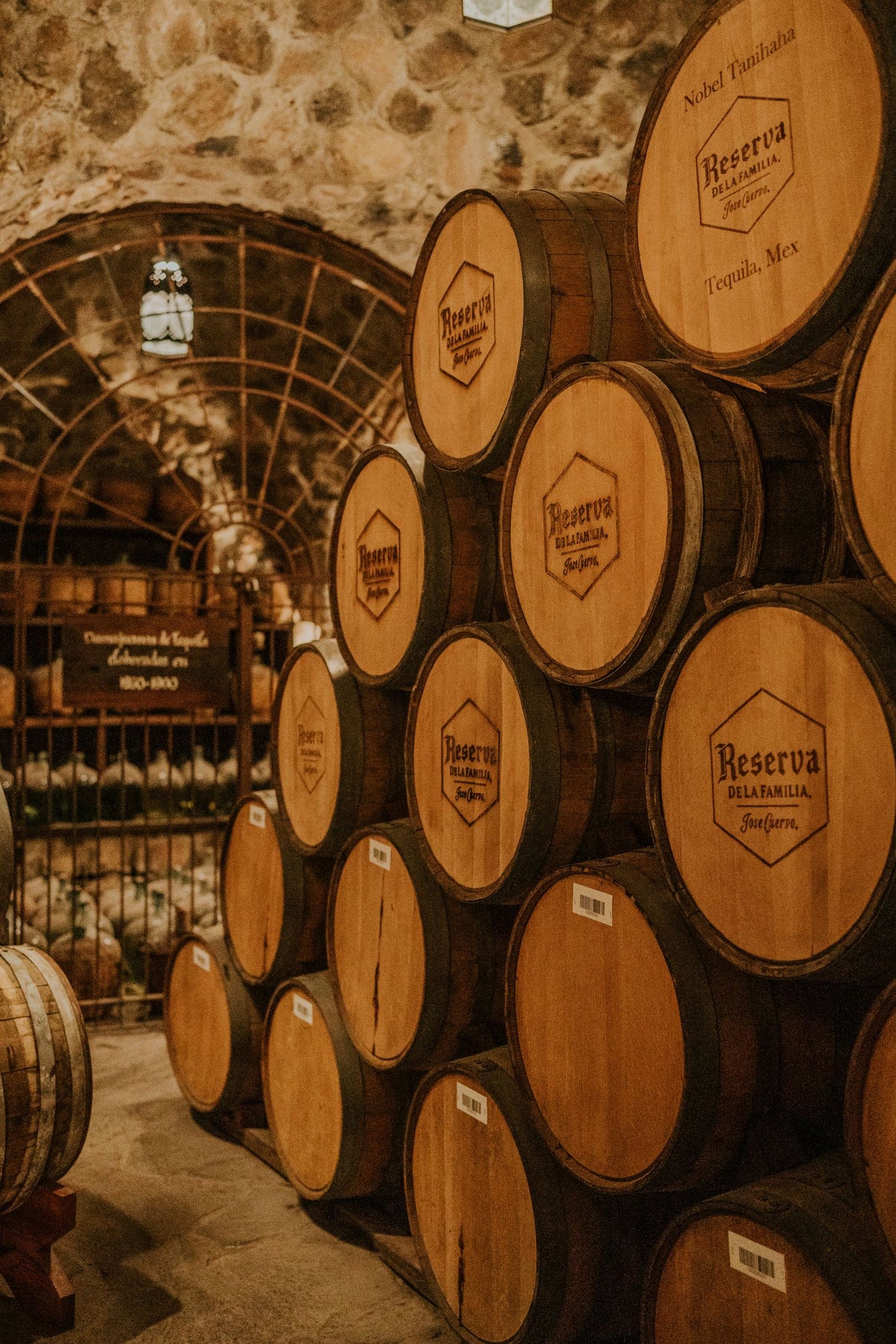
Blanco, reposado and añejo are ages, not grades. None of them means "better." They tell you exactly one thing: how long the tequila sat in oak before it went in the bottle. Once you know that, the whole shelf sorts itself out and you stop overpaying for the wrong bottle.
Here are the rules, which are set in Mexican law and are not marketing language:
- Blanco (also silver, plata, crystal). Unaged, or rested up to two months. Clear.
- Reposado ("rested"). Two months to one year in oak. Pale straw to light gold.
- Añejo ("aged"). One to three years in oak barrels under 600 litres. Amber.
- Extra añejo. More than three years. Deep amber, and the newest category of the four.
What the barrel actually does
Tequila comes off the still clear and tasting of the plant it was made from: cooked agave, citrus peel, black pepper, sometimes a green jalapeño note. That is the raw material. Everything that happens after is oak.
Wood does three things. It gives colour. It gives vanilla, caramel, coconut and baking spice, because those flavours live in toasted oak and leach out slowly. And it rounds off the sharp edges, which is why an añejo feels softer in the mouth than a blanco at the same proof.
The trade is real, though. Everything the barrel adds, it adds on top of the agave. A long-aged tequila tastes more of wood and less of the plant. That is why plenty of people who drink tequila seriously prefer blanco - not because it is cheaper, but because there is nothing standing between them and the agave.
The honest way to taste the difference
Buy one brand in two or three ages. Same distillery, same agave, same water, same everything except barrel time. Anything you taste is the wood, and the comparison becomes obvious in about thirty seconds.
The ladders worth doing:
- Herradura Silver $42.99, Reposado $39.99, Añejo $47.99. The reposado rests eleven months, which is nearly the full year and a long way past the two-month legal floor. If you only do one comparison, do this one - the gap between the three is wide and easy to read.
- Lunazul Blanco $30.99 and Lunazul Reposado $35.99. The cheapest way to run the experiment. Five dollars buys you the entire lesson.
- Milagro Silver $44.99, Reposado $49.99, Añejo $59.99. A tidy ten-dollar step per rung.
- Zarza Blanco $42.99, Reposado $49.99, Añejo $69.99. Blue Weber agave from both Lowland and Highland Jalisco, cut with spring water off the Volcán de Tequila. The añejo goes smoky and coconut-ish where the blanco is bright.
The Casamigos range runs all three too - Blanco $54.99, Reposado $62.99, Añejo $65.99 - and so does Casa de Hamsa, which bottles a blanco at $79.99 for a full litre, a reposado at $94.99 and an añejo at $104.99.
Which one goes in a margarita
Blanco. Every time.
A margarita is lime, orange liqueur and tequila, and lime is loud. Barrel notes get buried under it, so paying for añejo and then drowning it in citrus is money on the floor. The same goes for a Paloma, a ranch water, or anything with grapefruit soda in it.
Reposado is the useful middle. It has enough oak to stand up in a cocktail that is stirred rather than shaken - an añejo-style Old Fashioned, or tequila with a splash of something bitter - and it is still cheap enough to mix without wincing. Espolon Blanco at $33.99 is the workhorse blanco most people should keep behind the bar; the Espolon Añejo at $45.99 is the one you pour when the mixers stay in the cupboard.
Añejo and extra añejo are for a glass and nothing else. Neat, or over one large piece of ice. Treat them the way you would treat a good whiskey, because at that point they behave like one.
The top of the ladder
Extra añejo is the category to understand before you spend on it. More than three years in wood makes a tequila that is dark, soft and heavily flavoured by oak - which some people love and some people feel has drifted too far from agave to be worth it.
Avion Reserva 44 at $229.99 and Jose Cuervo Reserva de la Familia at $289.99 are the two to know. Both are gifts more often than they are Tuesday-night bottles, and both are better understood after you have tasted a blanco and an añejo side by side, not before.
The Clase Azul Plata at $139.99 and Clase Azul Reposado at $184.99 sit in their own corner - as much about the hand-painted decanter as the liquid. We wrote about that pair specifically in Clase Azul Plata vs Reposado.
Two words that are not ages
Joven, or gold, is not a fourth age. It is blanco blended with something aged, or in the cheaper bottles, blanco with colouring and flavouring added. If a gold tequila is priced like a blanco, it is the second kind.
100% agave is the label that actually matters. Tequila only has to be 51% agave by law; the other 49% can be other sugars. A bottle that says 100% agave is telling you there is nothing else in it. Every tequila named on this page is 100% agave, and it is the first thing to look for on any bottle that is not.
Is tequila kosher?
Plain 100% agave tequila is a simple product - agave, water, yeast, oak. The questions come from flavourings, additives, and what was in the barrel before the tequila went in. That is a bottle-by-bottle matter, not a category one, and we went through it properly in Which Tequilas Are Kosher? and in Is Your Whiskey Kosher?, which covers the cask-finish question that applies here just as much.
If you want certainty on a specific bottle, call the store and ask. We would rather answer than have you guess.
So what do I buy?
- Margaritas for a crowd. Espolon Blanco, $33.99. Or Lunazul Blanco at $30.99 if the crowd is large.
- One bottle that does everything. Herradura Reposado, $39.99. Mixes honestly, sips better than it has any right to at the price.
- Something to sip after a meal. Don Julio Añejo at $64.99, or Zarza Añejo at $69.99 if you want the smokier one.
- A gift. Patron Reposado at $54.99 for something recognisable, or the Clase Azul decanters if the occasion is bigger.
The full tequila range and the wider tequila and mezcal shelf are both worth a browse. If you want to know where mezcal fits into all this, that is a different plant and a different process - Tequila vs Mezcal explains it. And if you are trying to work out a budget first, How Much Is a Bottle of Tequila? lays out the price bands.
We ship anywhere in the country. Call us if you want a hand picking.