
Kosher Wine Guides
-

Kosher Mezcal: Which Bottle to Buy and Why
Mezcal is not tequila. The agave is roasted in a pit in the ground rather than steamed, and that is where the smoke comes from. Four bottles on our shelf from $34.99 to $89.99 - El Silencio, Del Maguey Vida, Rosaluna and Casamigos - what separates them, and which one to start with.
-
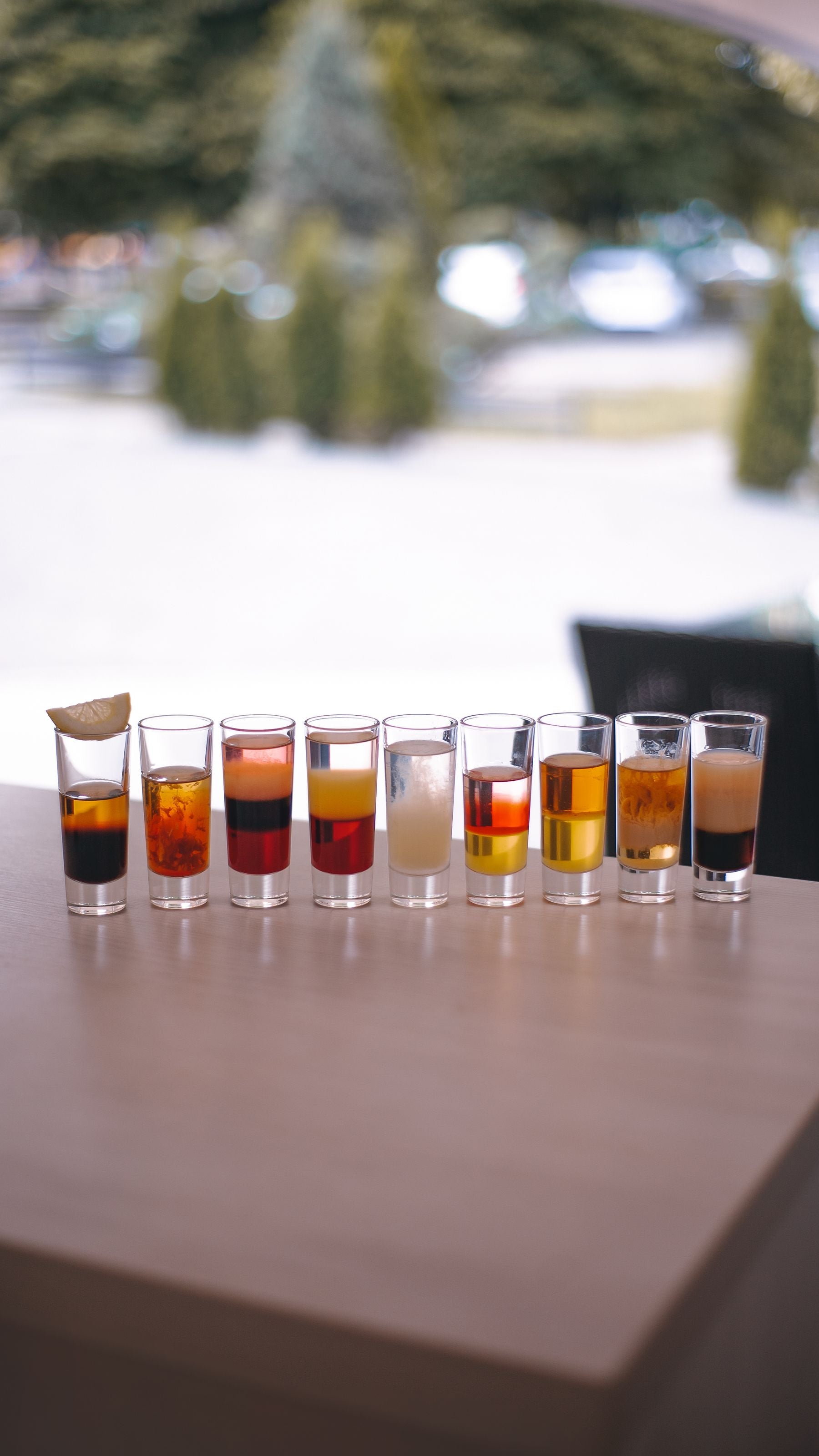
How Big Is a Handle of Vodka? Sizes, Shots and Prices
A handle is 1.75 litres, 59 ounces and about 39 shots. Here is every vodka bottle size in plain numbers, how many drinks each one pours, and the brands where the big bottle saves you 42 percent - and the ones where it saves you almost nothing.
-

Kosher Shiraz: What It Tastes Like and Which Bottle to Buy
Shiraz and Syrah are the same grape with two names. Here is what it tastes like, why Israel does it so well, and the bottles worth buying from $13.99 to $62.99.
-

The Best Kosher Rosé Wines
Rosé covers everything from bone-dry Provence to sweet pink Concord, which is why people get burned buying it. Here is how to tell them apart and what to buy.
-

The Best Israeli Red Wines
Israel makes more good red wine than most people realise, and almost all of it is kosher. Here is what the regions taste like and which bottles are worth your money at every price.
-

What to Bring to Someone Else's Sukkah
Nine days of walking into other people's sukkahs. What bottle to carry, what to spend on it, why mevushal matters more here than anywhere else, and three things not to bring.
-

Casa de Hamsa Tequila: The Whole Range, Explained
The hamsa-shaped bottle on the tequila shelf, explained: where it is distilled, what is in it, how blanco, reposado and anejo differ, and which one is worth your money.
-

VS, VSOP and XO: What the Letters on Cognac Actually Mean
The letters on a cognac label are age minimums, not quality grades. What VS, VSOP, Napoleon and XO each guarantee, why XO changed in 2018, what Grande Champagne means, and which kosher bottle to buy at each tier.
-

Russian Standard Vodka: Original, Platinum, and Gold
The most-visited bottle on our site, explained. What is in Russian Standard, what separates the red label from Platinum and Gold, which one to buy for mixing and which for drinking neat, and where it stands on kosher.
-

Kosher for Passover Spirits: What You Can Actually Drink
Whiskey and vodka are chometz — so what can come to the seder? Arak, certified tequila, grape brandy and more: the practical Kosher-for-Passover spirits map from Kosher Wine Direct. -
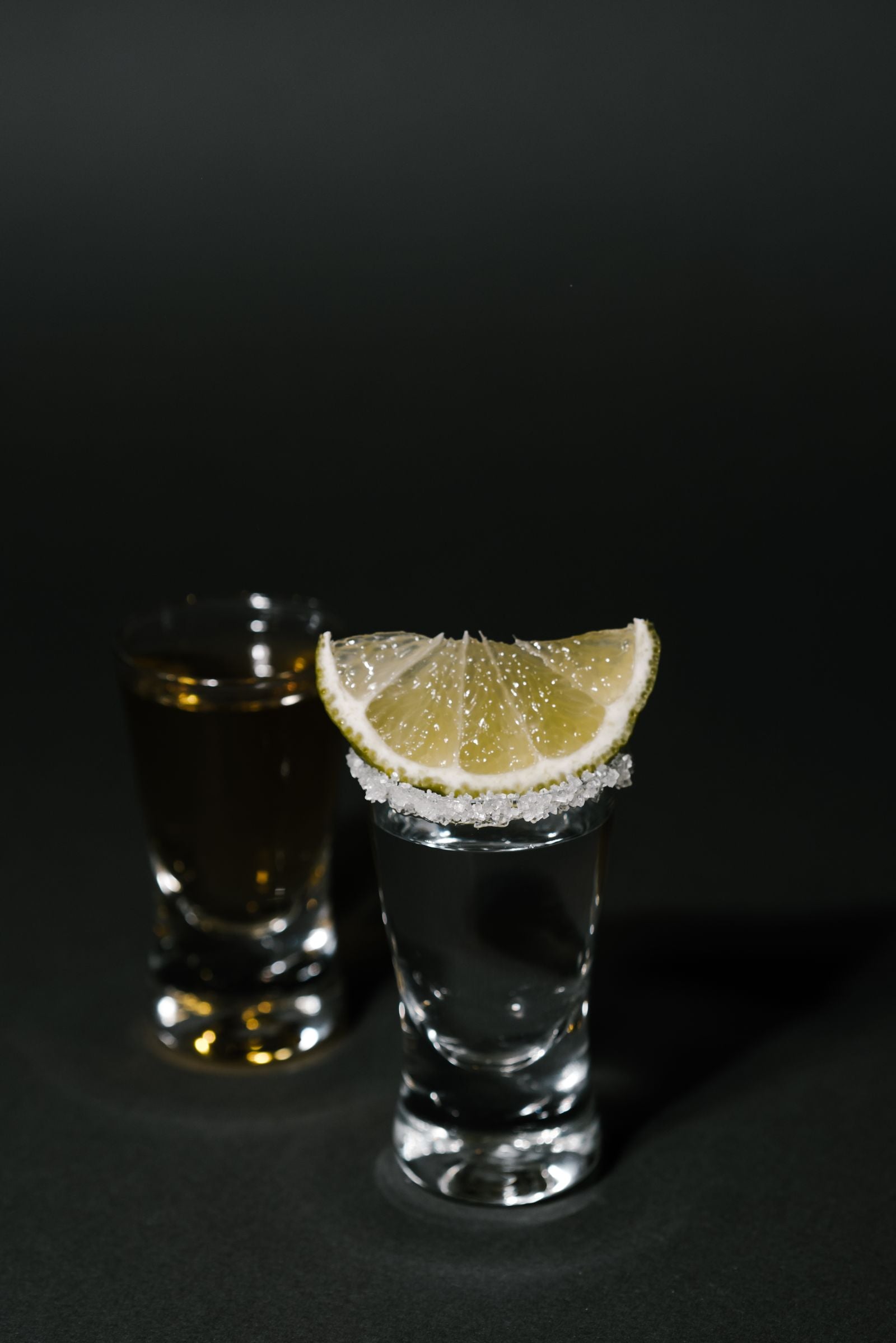
Which Tequilas Are Kosher? A Practical Guide
Some tequilas carry hashgacha, some are acceptable without it, and some raise real questions. How to tell the difference — including the certified premium brands — from Kosher Wine Direct. -

The Complete Guide to Arak: Israel's Anise Spirit
Arak is the Levant's anise spirit and the fastest-growing shelf in kosher liquor. What it is, the styles worth knowing, Passover status, and how to serve it — the complete guide from Kosher Wine Direct.