Great kosher wine doesn't have to cost $40. Here's where the real value hides under $20 — by category — and how to build a free-shipping case of it at Kosher Wine Direct.
Free kosher wine shipping usually hides behind steep minimums. At Kosher Wine Direct it kicks in at just $150 or 12 bottles — one of the lowest thresholds for kosher wine anywhere. Here's how to make the most of it.
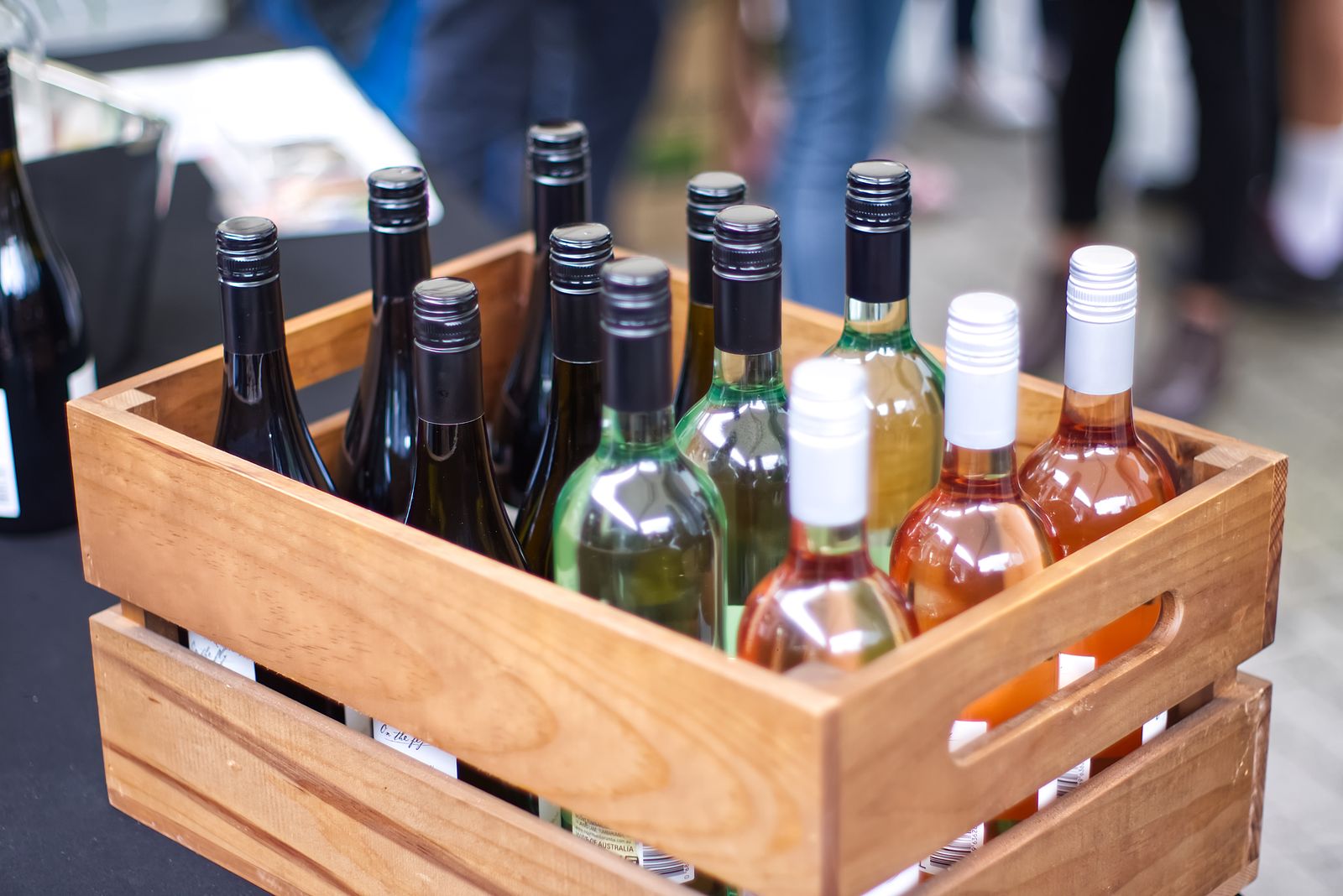
A standard case of wine holds 12 bottles of 750ml, or 9 liters total. Here is what a half case holds, how many glasses a case pours, and why cases cost less.
Kosher wine runs about $8 to $100, and most people land between $13 and $30. Here is where quality actually jumps on the price ladder, with real bottles at every tier.
A good bottle of whiskey costs $40 to $70, and that window covers almost everything worth drinking regularly. Here is the full price map, tier by tier.
Every bourbon is a whiskey, but most whiskey is not bourbon. The rules that define bourbon, how it differs from Scotch, rye and Irish, and which to buy first.
Arak turns milky white when you add water, and there is a right order to pour it. A guide to what arak actually is, how it differs from ouzo and raki, how to serve it properly, and where to start.
Israel makes wine in a desert and in snow country, sometimes within a two-hour drive. A guide to the five regions that matter, what each does well, and which producers to look for in every one.
Wine is made from grapes, so why does it need certification at all? A plain explanation of what makes wine kosher, why handling matters more than ingredients, what a hechsher actually tells you, and why kosher wine got so much better.
Worked numbers for how much wine to order for a bar mitzvah, wedding, sheva brachos, kiddush, or Yom Tov — plus the mevushal question, when magnums make sense, and how to avoid the two mistakes that cost people the most.
Cabernet is the structured one, Merlot is the soft one, Pinot Noir is the delicate one. What actually separates the three most popular red grapes, why Cabernet and Merlot are so often blended together, and which to put on your table.
Three white wines, three completely different experiences. A plain-English guide to what makes Sauvignon Blanc, Chardonnay, and Pinot Grigio taste the way they do, which one suits your table, and what to buy in each.