
Georgian Wine, Explained: Saperavi, Kindzmarauli and 8,000 Years
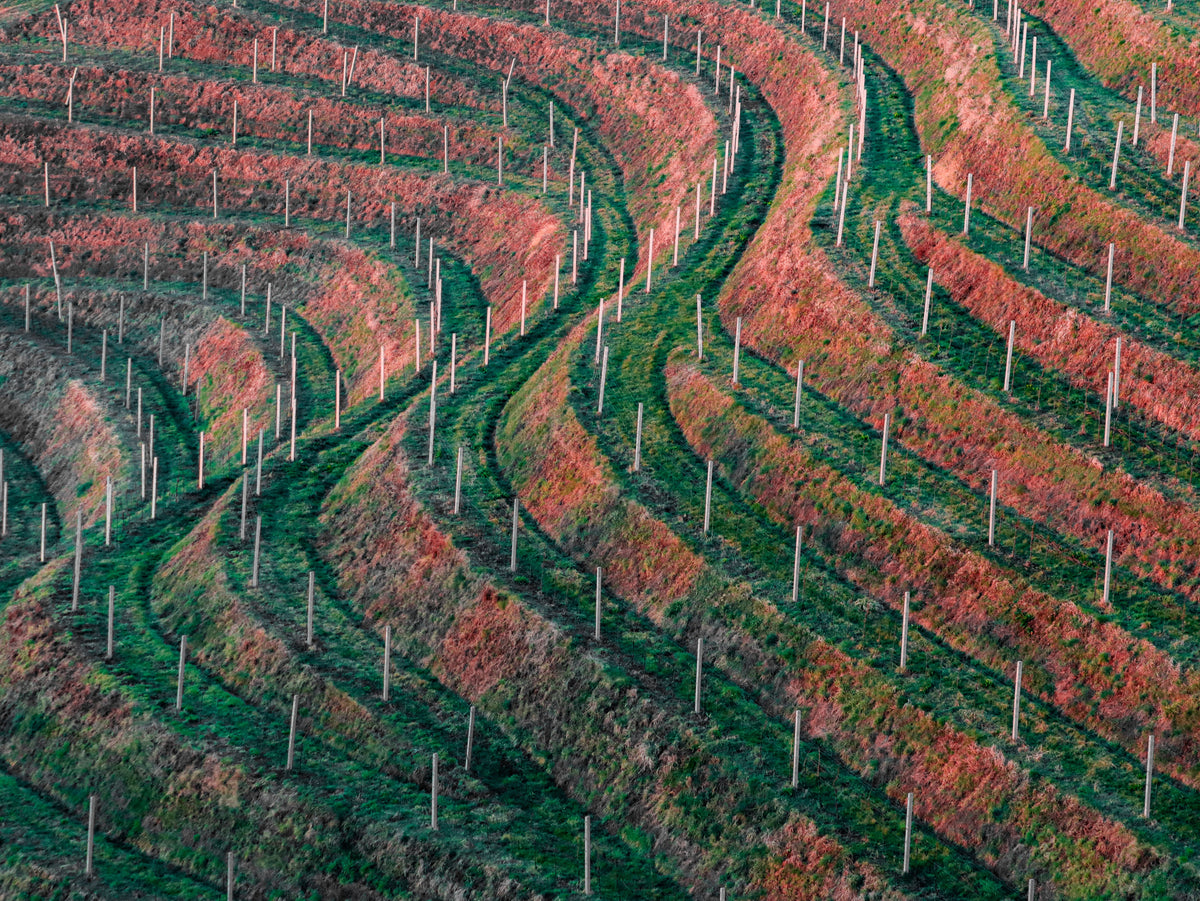
If you have never had Georgian wine, start with Kindzmarauli. It is a semi-sweet red made from Saperavi, it is the bottle Georgians hand to guests, and it explains the whole country in one glass. If you drink dry, start with Mukuzani instead. Everything else on this page is detail.
Georgia is not a new wine country trying to get noticed. It is the oldest one there is. Archaeologists have dug up winemaking there from roughly 8,000 years ago, which puts it thousands of years ahead of France, Italy and Spain. The country still makes wine in qvevri - enormous clay vessels buried up to the neck in the ground - and UNESCO put that method on its cultural heritage list in 2013. About seventy percent of the wine comes from Kakheti, the valley in the east.
What is Saperavi?
Georgia's great red grape, and one of the very few in the world whose flesh is red as well as its skin. Most red grapes have clear juice and get their colour from soaking on the skins. Saperavi comes out of the press already dark, which is why a glass of it looks nearly black against the light and stains the sides of the glass.
It tastes like blackberry, black cherry and plum with a savoury edge underneath and real acidity holding it up. It handles sweetness well, which is why Georgia's famous semi-sweet reds are built on it, and it handles oak well, which is why the dry versions age.
GRW Saperavi is the straightforward introduction. Shimon & Co Saperavi is dry and mevushal. Palavani Saperavi is the value pour, and Shimon & Company Saperavi Khashmi is the serious one, from a single microzone, for a table that will notice.
Those names on the label are places, not brands
This is the part that trips everyone up. Kindzmarauli, Mukuzani, Tsinandali and Khvanchkara are not producers or grape names. They are appellations - small defined areas, each with rules about which grapes go in and how sweet the wine comes out. Once you know the six names, a Georgian shelf reads instantly.
| Name | Style | What is in it |
|---|---|---|
| Kindzmarauli | Semi-sweet red | Saperavi from Kvareli, in Kakheti. The famous one. |
| Khvanchkara | Semi-sweet red | Aleksandreuli and Mujuretuli, from Racha in the west. |
| Alazani Valley | Semi-sweet red | Saperavi, softer and jammier. The everyday sweet red. |
| Pirosmani | Semi-dry red | Saperavi, just off the dry line. Named after a painter. |
| Mukuzani | Dry red | Saperavi, oak-aged. Georgia's most serious dry red. |
| Tsinandali | Dry white | Rkatsiteli with a little Mtsvane. Crisp and herbal. |
Why is Georgian semi-sweet red different from other sweet reds?
Because the sweetness is left in, not put in. In the traditional method the fermentation is stopped by cold before the yeast has eaten all the grape sugar, so what is left in the glass is the fruit's own sugar rather than something added afterwards. That is why a good GRW Kindzmarauli tastes like black cherries and pomegranate instead of syrup, and why it still has acidity and grip behind the sweetness.
If you have written off sweet red wine because of what is usually sold under that heading, this is the category that will change your mind. We wrote a whole guide to the best semi-sweet reds, and what is Kindzmarauli goes deeper on that one bottle. For a crowd, the 1.5L Kindzmarauli is the sensible buy.
Khvanchkara is the other famous semi-sweet, from the high Racha valley in the west and made from two grapes you will not meet anywhere else. It is deeper and more perfumed than Kindzmarauli. Alazani Valley is the softest and jammiest of the three, and Pirosmani sits just off dry for a table that cannot agree.
What if I only drink dry wine?
Then Georgia has more for you than the sweet shelf suggests. GRW Mukuzani is oak-aged Saperavi from the microzone that put dry Georgian red on the map - full-bodied, structured, dark fruit over firm tannins, and priced like a weeknight bottle. Shimon & Co Mukuzani is the mevushal version of the same idea.
On white, GRW Tsinandali is Rkatsiteli with a touch of Mtsvane, dry and herbal with orchard fruit and a faintly nutty middle. Shimon & Company Tsolikouri comes from one of Georgia's oldest white grapes and drinks like a good Loire white - green apple, quince, white flowers. Both are excellent with fish, which is the pairing our guide to wine with fish keeps coming back to.
There is also GRW Rose Semi-Dry and Palavani Merlot for anyone who wants a familiar grape grown in an unfamiliar place.
Is Georgian wine kosher?
The bottles on this page are. Shimon & Company is the only kosher winery in Georgia, working out of Kakheti, and Georgian Royal Wine makes its range mevushal - which matters if the bottle is going to be poured by anyone at the table. If that word is new to you, mevushal versus non-mevushal explains what it changes and what it does not. What makes wine kosher covers the rest.
What is chacha?
Georgia's grape brandy, distilled from what is left after pressing. It is the drink that comes out at the end of a Georgian meal, and it is closer to grappa than to anything else, though usually softer. Shimon & Company Premium Chacha is clean and lifted, with crushed white grape and pear skin, and it earns its place next to a cigar or after a long Friday night meal. If clear grape spirits are your corner of the shelf, arak and boukha live in the same neighbourhood.
What do you serve it with?
Georgian food is grilled meat, walnuts, herbs, cheese bread and stews, and the wines are built for exactly that. In practice that means Saperavi and Mukuzani go with brisket, lamb, kebabs and anything off a grill, and they are outstanding with cholent. Kindzmarauli and Alazani Valley handle sweet kugel, honey cake and a kiddush table where half the room wants something sweet. Tsinandali and Tsolikouri go with fish, herbed chicken and dairy lunches.
The full Georgian shelf is here, along with the Georgian Royal Wine range. If it is the sweetness you are after rather than the country, the wider semi-sweet and semi-dry shelves are worth a look, and dry versus sweet wine sorts out the vocabulary. We ship anywhere in the country.
Frequently asked questions
Is all Georgian wine sweet?
No, and this is the biggest misconception about the category. Georgia makes plenty of dry wine - Mukuzani, Tsinandali and dry Saperavi among them. The semi-sweet reds are simply the ones that travelled, so they are what most people meet first.
How do you pronounce Kindzmarauli?
Kindz-ma-RAU-li. Khvanchkara is Khvanch-KA-ra. Nobody will mind if you point at the bottle.
What is a qvevri?
A large egg-shaped clay vessel, lined with beeswax and buried in the ground, used for fermenting and storing wine. Grapes go in whole, skins and all, and the earth keeps the temperature steady. It is an 8,000-year-old method still in daily use, and UNESCO listed it as cultural heritage in 2013.
Is Saperavi a sweet grape?
No. Saperavi is a dry red grape with high acidity and dark colour. Whether the finished wine is sweet depends on when the winemaker stops the fermentation, which is why the same grape gives you both Kindzmarauli and Mukuzani.
Which Georgian wine should I buy first?
Kindzmarauli if you or your guests like a little sweetness, Mukuzani if the table drinks dry. Buy both and you have covered a Friday night.
Eight thousand years is a long time to practise. It shows.