
The Big Italian Reds: Nebbiolo, Amarone and the Serious Tuscans
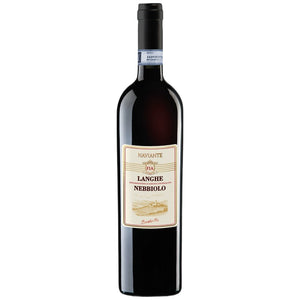
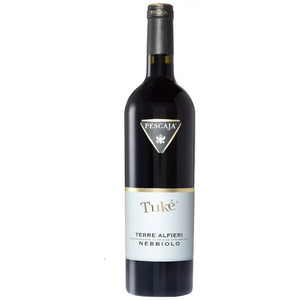
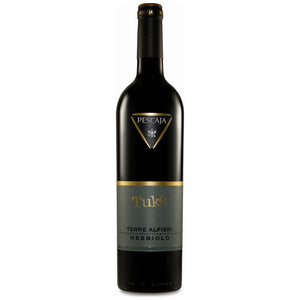
The big Italian reds are Nebbiolo, Amarone and the serious Tuscans. Try Pescaja Tuke Nebbiolo Terre Alfieri DOC (OU), Aura di Valerie Amarone della Valpolicella or Cignozza Peregrinus Toscana (OU).
For most people the kosher Italian red is a Chianti, a Bartenura, or something with a cheerful label at twelve dollars. Those are good wines and they do their job. But there is a tier above them that most customers never find, because nobody explains what the words on the label mean.
Italy has three serious red traditions that are not Chianti: Nebbiolo in the northwest, Amarone in the northeast, and the modern Tuscan reds that deliberately stepped outside the rulebook. All three exist in kosher. Here is what each one is and which bottle to start with.
The three at a glance
| Style | Where | Grape | Tastes like |
|---|---|---|---|
| Nebbiolo | Piedmont, northwest | Nebbiolo | Pale, high tannin, tar and roses |
| Amarone | Veneto, northeast | Corvina blend | Dark, rich, dried cherry, warming |
| Tuscan IGT | Tuscany, center | Sangiovese and others | Plush, modern, cedar and dark fruit |
Nebbiolo: the grape behind Barolo
Nebbiolo is the great red grape of Piedmont, and it is the grape that Barolo and Barbaresco are made from. That is the first thing worth knowing, because people search for Barolo as though it were a grape. It is not. Barolo is a place, and Nebbiolo is what grows there, the same way Chianti is a place and Sangiovese is the grape. If that distinction is new, what is Chianti makes the same point about Tuscany.
Nebbiolo is a strange and wonderful wine. It is pale, often lighter in color than a Pinot Noir, which fools people completely, because it is then enormously tannic and high in acid. The classic description of its smell is tar and roses, and that is accurate: dried rose petal and cherry on top, something darker and more savory underneath, often with dried herbs, leather and a note like crushed stone.
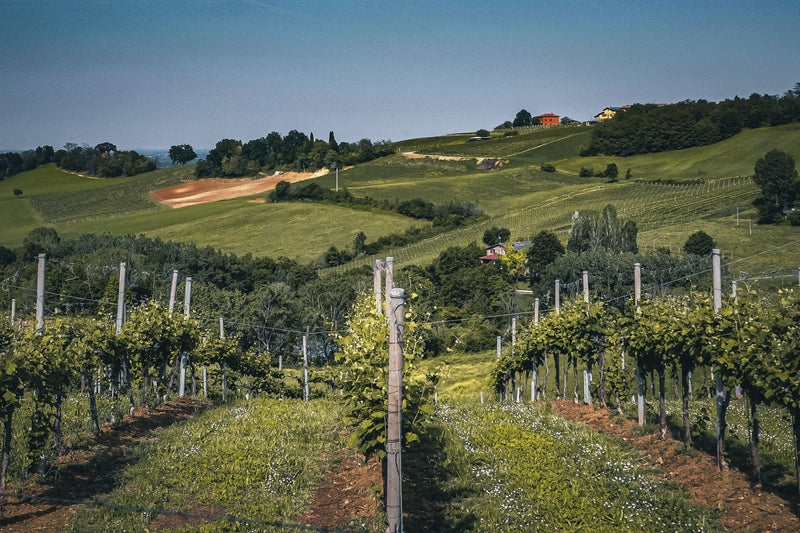
The name comes from nebbia, the fog that sits in the Langhe hills in October when the grape finally ripens. It is one of the last harvests in Italy.
Where to find it without paying Barolo money
Barolo and Barbaresco carry the highest prices in Piedmont. The same grape, grown in the same region under a broader appellation, costs a fraction and gives you most of the character. Two names to look for on the label are Langhe and Terre Alfieri, both legitimate Piedmont appellations for Nebbiolo.
Naviante Nebbiolo Langhe DOC is the place to start. Langhe is the hill country that contains Barolo itself, and this is a younger, more approachable expression of the grape: the rose and cherry are there, the tannin is present but not punishing, and you can drink it tonight rather than in ten years.
Pescaja Tuke Nebbiolo Terre Alfieri DOC is the mevushal option, which matters if anyone other than you is handling the bottle. Terre Alfieri is a smaller appellation in the Asti hills, and the style is a touch brighter and more floral. There is also a non-mevushal Pescaja Tuke Nebbiolo, the Pescaja Tuke.
From the same producer, Pescaja Solo Noi Monferrato is a Piedmont red from the Monferrato hills and a softer, rounder introduction to the region if full Nebbiolo tannin sounds like too much.
What to eat with it
Nebbiolo needs fat and protein. Its tannin is the whole point of the wine, and tannin is softened by exactly those two things. Braised short ribs, a standing rib roast, cholent on a Shabbos afternoon, anything slow-cooked and rich. It is the wrong wine for chicken. What is tannin in wine explains the mechanism, and what wine goes with cholent is the practical version.
Amarone: the wine made from dried grapes
Amarone della Valpolicella is one of the few genuinely unusual wines in the world, and the thing that makes it unusual happens before fermentation.
After harvest, the grapes are not pressed. They are laid out on racks or in shallow crates and left to dry for three to four months, losing something like a third of their weight in water. This is called appassimento. What is left is a raisined grape with concentrated sugar, concentrated acid and concentrated everything else. That then gets fermented all the way out to dry, which is why Amarone ends up both powerful and not sweet, usually between 15 and 16 percent alcohol.
The word amarone means the big bitter one, which refers to the dry, slightly bitter finish that distinguishes it from Recioto, the sweet version of the same process.
Aura di Valerie Amarone della Valpolicella is the kosher one. Expect dried cherry and fig, chocolate and a warming, almost port-like depth, but finishing dry. It is a cold-weather wine and a serious occasion wine, and it does not need food the way Nebbiolo does. It is perfectly happy on its own after a meal.
The serious Tuscans, and what IGT means
Here is a piece of label knowledge that saves money and confusion. Italy's classification pyramid puts DOCG at the top, then DOC, then IGT, then plain table wine. You would reasonably assume IGT means lesser wine. In Tuscany it very often means the opposite.
In the 1970s a handful of Tuscan estates started blending Cabernet Sauvignon and Merlot in with their Sangiovese, or dropping Sangiovese entirely, and aging in French oak barrels. The rules of the day did not allow this, so their wines, which were among the best in Italy and priced accordingly, were legally classified as table wine. The press called them Super Tuscans. The classification eventually caught up and gave them IGT status, but the quirk stuck: in Tuscany, an IGT on the label often signals an estate that chose quality over the rulebook.
So a Toscana Rosso IGT is worth a second look rather than a discount. Our range:
- Vallepicciola Toscana Rosso IGT. The entry point, and a good one.
- Casa al Vento T'amo Toscana Rosso IGT. From a small Chianti Classico estate working organically.
- Cignozza Peregrinus Toscana.
- La Regola Ligustro Costa Toscana Rosso. From the Tuscan coast, which is Super Tuscan heartland.
- Rocca di Frassinello Toscana Rosso IGT. A Maremma estate, and the step up where the oak and structure become obvious.
- Tassi Aqua Bona Bettina Cuvee Rosso Toscana IGT. From Montalcino, and the most serious bottle in this article.
On the related question of what Grand Vin, Riserva and the rest of the label vocabulary are actually worth, what does Grand Vin mean is the companion piece.
Which one should you buy
If you have never had any of these, buy the Naviante Nebbiolo Langhe. It is the most distinctive wine of the three traditions, it is the least like anything else on a kosher shelf, and it is the cheapest way to find out whether you like a style you cannot get anywhere else.
If you are buying for a cold Friday night with a roast on the table, the Vallepicciola Toscana Rosso is the easier, friendlier bottle and will please more people.
If it is a milestone, a birthday, a sheva brachos, something worth marking, open the Amarone.
Serve all of these at around 60 to 65 degrees, which is cooler than most kitchens. Open the Nebbiolo an hour ahead; it changes noticeably in the glass. See how to store wine if you are planning to hold any of them.
More Italy in the kosher Italian wine guide, the southern end of the country in the Feudi di San Gregorio range, and the whole shelf at kosher Italian red wine.
Free shipping on orders $150+ in the lower 48.