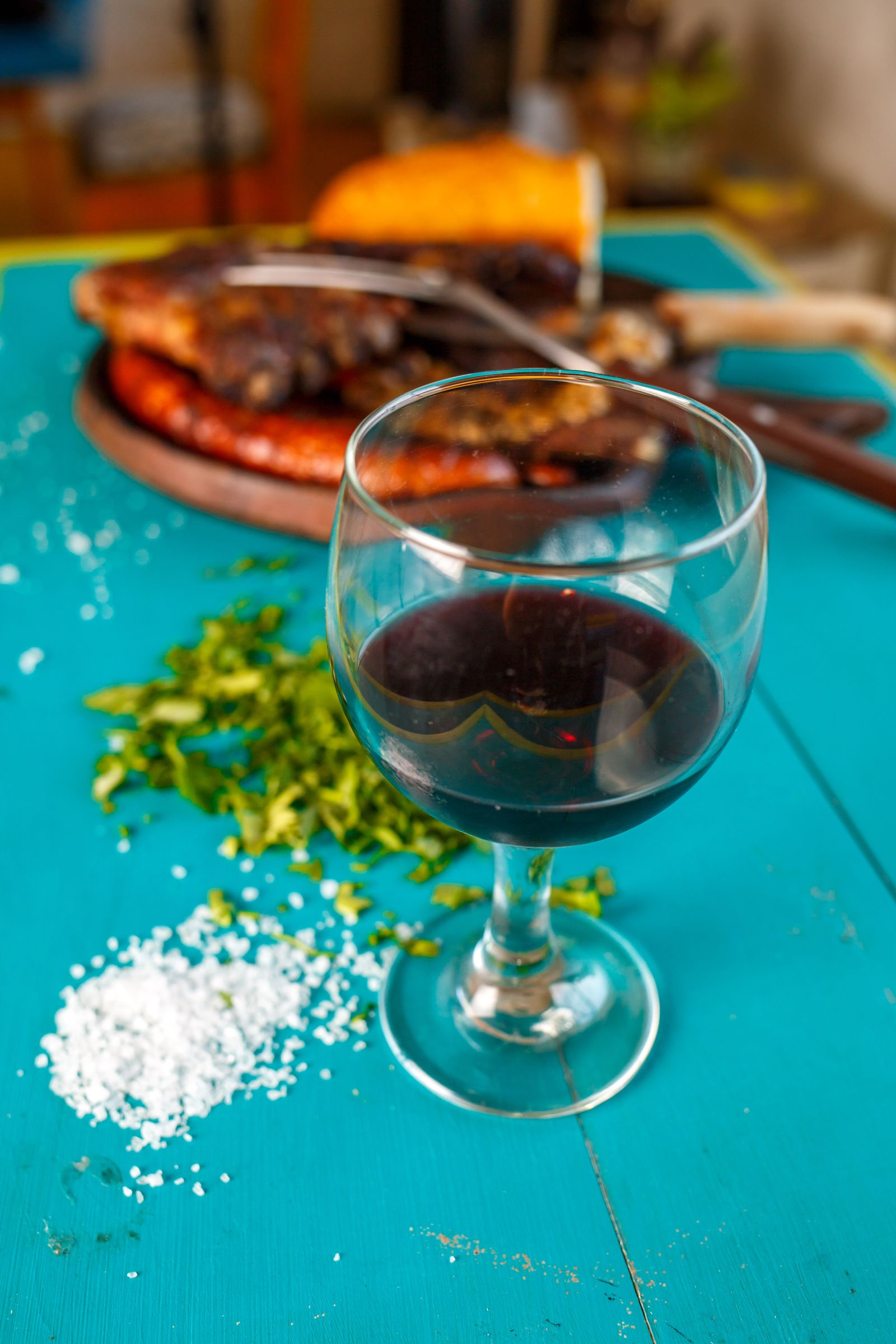
Start with Pinot Noir, Merlot or Malbec, not Cabernet. Low tannin is the whole trick. Five kosher reds under $30 and four ways to make any red taste better.
Merlot is a dark-skinned grape making soft, plummy, low-tannin wine. Why it got a bad name, how it differs from Cabernet, and the kosher bottles worth it.
Tannin comes from grape skins, seeds and stems, and it is why red wine dries your mouth. Which grapes carry the most, and three free ways to soften it.
Riesling runs bone dry to dessert sweet, and the label rarely says which. Three ways to tell before you buy, plus the best dry and late harvest bottles.
Most vodka is distilled from wheat, corn, or rye, with potato a proud minority. How each base tastes, why it matters for Pesach, and bottles from $17.99.
Pinot Grigio is a light, dry, crisp white and the safest pour on any table. What it tastes like, what to serve it with, and kosher bottles from $12.99.
Cabernet Sauvignon is a dry red with dark fruit, firm tannin, and real aging power. What it tastes like, what to pour it with, and kosher picks from $13.
Syrah and Shiraz are the same grape. The name signals the style: peppery and savory, or ripe and jammy. Here is how to tell which bottle you want tonight.
Chardonnay is a white grape with a deliberately quiet personality, so oak decides almost everything about how it tastes. Here is how to tell oaked from unoaked before you open the bottle.
Malbec is a dark-skinned red grape, French by birth and Argentine by adoption, that tastes big but drinks soft. What it tastes like, what to serve it with, what to buy.