
Yatir Winery Guide: Forest, Mt. Amasa, Petit Verdot and Darom
Yatir is the third most searched name on our site this month, behind arak and moscato and ahead of every other winery. That is a lot of people arriving already knowing what they want, which usually means somebody poured them a glass and they wrote the name on their hand. This is the page for what happens next.
A winery at the edge of the desert
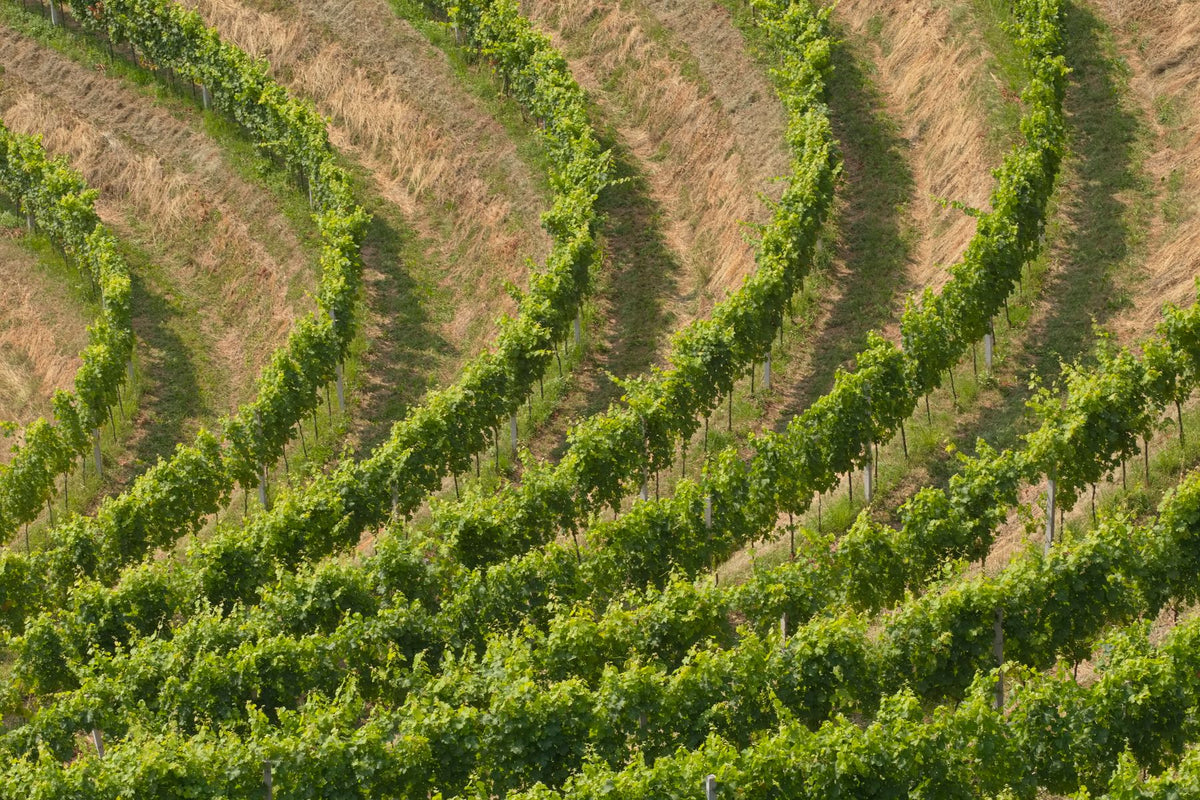
Yatir sits at Tel Arad, on the northern edge of the Negev, at the foot of the Yatir Forest - the largest planted forest in Israel, put into bare hillside over decades. The vineyards are up above it in the southern Judean Hills, between roughly 600 and 900 metres, on thin limestone and terra rossa soil.
That altitude is the whole trick. The days are hot, which ripens the fruit fully, and the nights drop hard, which keeps the acid in it. Desert-edge wine with no freshness is jammy and flat; Yatir's has structure and grip because of what happens after sundown. It is the same reason the southern Judean Hills went from nowhere to one of the serious regions in Israel inside twenty-five years.
The winery opened in 2000, in partnership with Carmel, and has been made since near enough the start by Eran Goldwasser, who trained in Australia. There is more on how the regions sit against each other in the Israeli wine regions guide.
Darom - the way in, $29.99 to $30.99
Darom is Hebrew for south, and it is the second label: same southern fruit, younger vines, shorter time in oak, made to be drunk now rather than kept.
Darom Red at $30.99 is soft, dark-fruited and easy, and it is the bottle to bring to somebody else's table when you do not know what they are serving. Darom Rose at $29.99 is dry rather than sweet, and it is a proper food rose - it will sit through a whole Shabbos lunch without getting boring. If sweet is what you actually want, that is a different shelf and is rose sweet or dry sorts it out.
Mt. Amasa - the estate range starts here
Mt. Amasa White at $39.99 is the one people do not expect from a desert winery. It is crisp, citrus and stone fruit, with enough body to go with fish or roast chicken rather than just sitting there being cold. There is a real case that the whites are the most underrated thing Israel makes, and this is a good argument for it.
Mt. Amasa Blend at $50.99 is the red from the same named vineyard - fuller, structured, built around Bordeaux varieties. This is the bottle to open for a meal you cooked properly.
Petit Verdot - $42.99, and the interesting one
Yatir Petit Verdot is worth singling out. Petit Verdot is almost always a blending grape - a few percent thrown into a Bordeaux blend for colour and backbone, never the star. It struggles to ripen in Bordeaux itself, which is exactly why it does so well in a hot climate with cold nights.
On its own it is deep purple, floral, violet-scented, with firm tannin and a lot of dark fruit. If you drink Cabernet and want something with the same weight that does not taste like everything else, this is the bottle. What is Cabernet Sauvignon is the neighbouring reference point.
Yatir Creek Red Blend at $51.99 comes off a higher, drier plot again and is the more savoury, herbal side of the estate.
Yatir Forest - the flagship, $149.99
Yatir Forest is the wine the winery is judged on. Cabernet-led, blended with the best of what the vintage gave, long in French oak, and made only in years good enough to carry the name.
It is dense, tightly wound and genuinely built to age - a decade is not ambitious for it. Open it too young and it will be closed and tannic; give it a couple of hours in a decanter or a few years in a dark cupboard and it opens into cassis, cedar, tobacco and a very long finish. How to store wine covers keeping it properly, which matters at this price.
There is also the magnum at $244.99. A 1.5L is not just twice the wine - the larger volume ages more slowly and more evenly, so it is the format to buy if the plan is a bar mitzvah in eight years rather than a dinner in eight weeks. It is also, frankly, the best-looking gift bottle in the building. Wine as a gift has the rest of that thinking.
What to open it with
These are structured, tannic reds and they want fat and protein. Rib eye, brisket, lamb, a slow-cooked shoulder. Tannin and meat cancel each other out, which is why a big red tastes softer with steak than it does on its own - what wine goes with steak explains the mechanism, and kosher wine and meat pairing takes it through a Yom Tov table.
The Mt. Amasa White goes the other way - fish, chicken, dairy, a hot afternoon. And the Darom Rose will handle a table that cannot agree on anything.
Which one to buy
- First taste of Yatir - Darom Red, $30.99.
- Shabbos lunch, mixed table - Darom Rose, $29.99.
- Something you have not had before - Petit Verdot, $42.99.
- A proper dinner - Mt. Amasa Blend, $50.99.
- A gift, or a cellar - Yatir Forest, $149.99, or the magnum at $244.99.
All of it is kosher; if the table you are bringing it to needs mevushal specifically, mevushal vs non-mevushal explains what that means and why it matters for a wine of this level.
The full Yatir shelf is in one place. If you are working through Israeli wine more broadly, the best Israeli reds is the place to start, Israeli reds and Israeli whites are the wider shelves, and Yarden and Katlav are the two other estates worth knowing by name.