
Kosher Wine Guides
-

The Singleton Range Explained: 12, 15 and 18 Year
The Singleton is not one distillery, and that confuses people. Here is what the 12, 15 and 18 Year actually taste like, how they compare to Glenlivet and Macallan, and which one to buy.
-
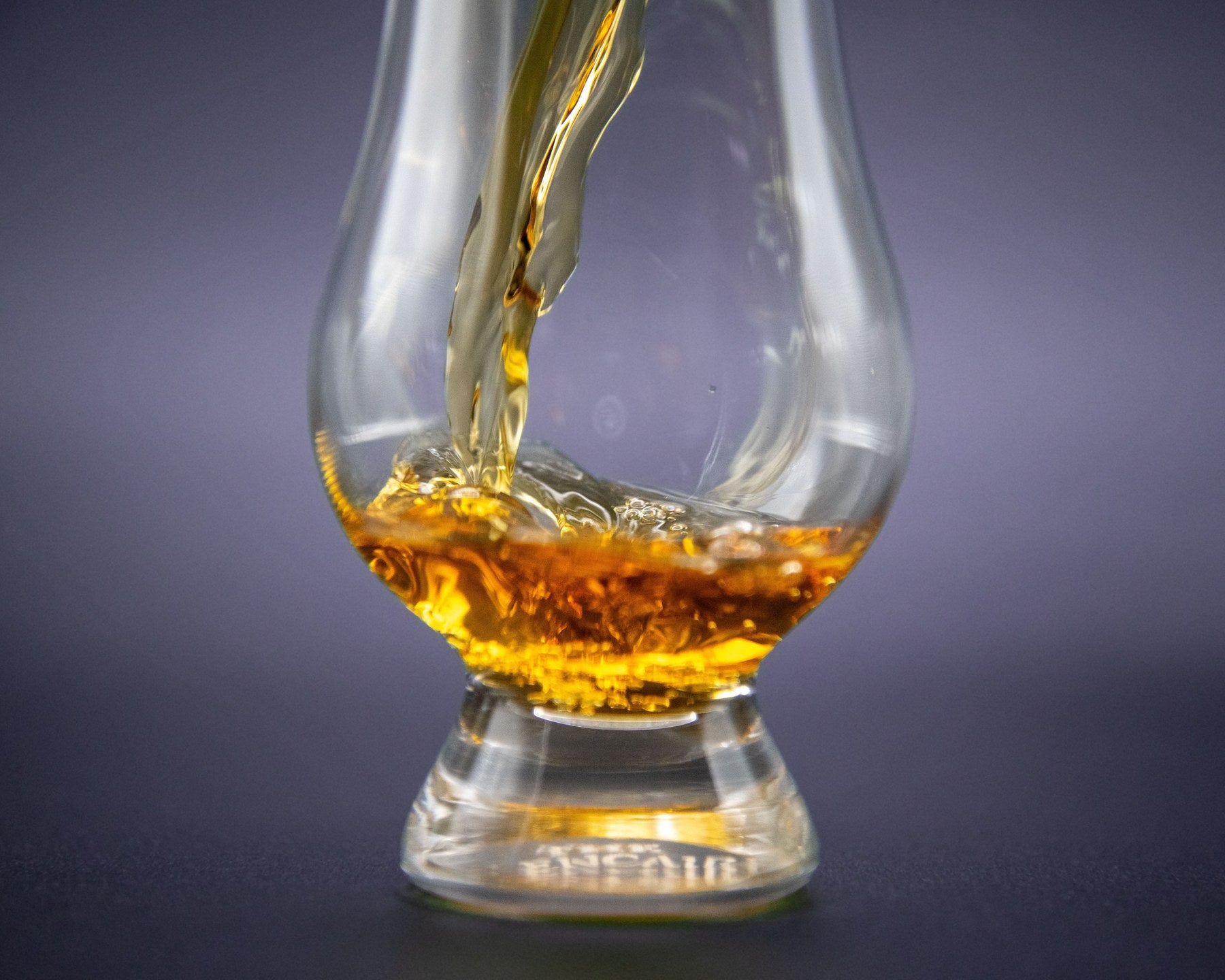
The Glenfiddich Range Explained: 14, 15, 19, 21 and 23
Glenfiddich 14 or 15? What the IPA, rum and Champagne cask finishes actually change, what every bottle costs, and which one is worth your money.
-

What Is Vermouth? Sweet, Dry, and What to Do With the Bottle
Vermouth is wine, not liquor - which is why it belongs in the fridge. Sweet, dry and bianco explained, plus the three drinks worth knowing.
-

Georgian Wine, Explained: Saperavi, Kindzmarauli and 8,000 Years
Kindzmarauli, Mukuzani, Tsinandali - the names on a Georgian label are places, not brands. Here is what each one means and which bottle to start with.
-

What Is Sake?
Sake is not a wine and not a spirit, and most of what people think they know about it is wrong. Here is the short, useful version.
-

The Best Kosher Rosé Wines
Rosé covers everything from bone-dry Provence to sweet pink Concord, which is why people get burned buying it. Here is how to tell them apart and what to buy.
-

The Best Israeli Red Wines
Israel makes more good red wine than most people realise, and almost all of it is kosher. Here is what the regions taste like and which bottles are worth your money at every price.
-

What to Bring to Someone Else's Sukkah
Nine days of walking into other people's sukkahs. What bottle to carry, what to spend on it, why mevushal matters more here than anywhere else, and three things not to bring.
-

What Is Boukha? The Tunisian Fig Brandy, Explained
Clear as water, smells like a bowl of dried figs, and it exists because there was almost no wine in Tunisia. What boukha is, how it differs from arak, and when to pour it.
-

Casa de Hamsa Tequila: The Whole Range, Explained
The hamsa-shaped bottle on the tequila shelf, explained: where it is distilled, what is in it, how blanco, reposado and anejo differ, and which one is worth your money.
-

What Is Rum? Light, Gold, Dark and Sipping, Explained
Rum is sugarcane turned into spirit, and that is the only rule. What separates white from gold from dark, why the island of origin matters more than the colour, and which bottle to start with.
-

What Is Coffee Liqueur? Espresso Martinis, Black Russians and the Pareve Bottle
Coffee liqueur is cold coffee, sugar and a neutral spirit. The espresso martini ratio that actually works, the dairy-or-pareve question nobody else explains, and which kosher bottle does which job.