
Kosher Wine Guides
-

Psagot Winery: A Guide to the Range
Psagot is a name people search on its own, with nothing after it, and then land on a shelf of twelve bottles with tier names that explain nothing. Sinai, De'Vine, Prat, Edom, Peak, Jewel. Here is what each one is, from the $27.99 house red up to a $249.99 brandy aged twelve years in a cave that watched the Second Temple stand, plus the buying decision that trips people up: only three bottles in the whole range are mevushal, so the simcha shelf and the dinner-table shelf are not the same shelf.
-

Mony Winery: A Guide to the Range
Mony is a family winery on monastery grounds in the Judean foothills near Bet Shemesh, and the whole range runs from $17.99 to $99.99 under one name. Four tiers: Wave, the only mevushal bottle and the kiddush pour; three Reserves at an identical $29.99 so you pick on flavor alone; three Supremes at $59.99 that are genuinely different wines; and Via, the Bordeaux-style flagship. What each one tastes like and which belongs on your table.
-

Shiloh Winery: A Guide to the Range
Shiloh is one of the names people search on its own, with nothing after it, and then land on a shelf of fifteen bottles with tier names that explain nothing. Shor, Privilege, Legend, Secret Reserve, Mosaic. Here is what each tier is, from the $28.99 four-grape winemaker's blend up to the $159.99 magnum, plus the one thing nobody tells you: Shiloh bottles the same flagship twice, once mevushal and once not, two or three dollars apart, so you never have to choose between the rule and the wine.
-

What Is Grenache?
Grenache is the grape you have been drinking for years without ever reading the name on a label. It is the backbone of Cotes du Rhone, it is most of what sits in a bottle of Chateauneuf-du-Pape, it is why your summer rose tastes of strawberries, and it is the G in GSM. Almost nobody asks for it by name, because it spends its life inside blends with somebody else's name on the front. Spanish by birth and called Garnacha there, it is a heat grape that wants sun, drought and stony ground, which is why Israel has taken to it so fast. Here is how to say it, what it tastes like, why it makes soft reds and pale rose, and the bottles on our shelf from $19.99.
-

What Is Carignan? Israel's Old Vine Workhorse
Carignan is the most widely drunk grape nobody asks for by name. Open almost any Israeli red blend and it is in there, giving the wine its savory mid-palate while Cabernet or Syrah takes the credit on the label. Spanish by birth, ruined by France in the twentieth century when it was cropped for bulk, and redeemed by the old bush vines nobody bothered to pull out. Israel planted it in the 1880s and never stopped, which makes it the country's old vine grape by default. It is also the father of Argaman, the only grape ever bred in Israel. What it tastes like, the one varietal bottle at $64.99, the blends it hides inside from $13.99, and what to put on the table next to it.
-

What Is Petite Sirah? Israel's Darkest Red
Petite Sirah is the darkest red on most kosher shelves and almost nobody buys it on purpose. The name is a trap: it is not a small, light Syrah, it is Durif, a crossing of Syrah and Peloursin, and the petite refers to the tiny berries. Small berries plus thick skins is the whole explanation for the inky color and the big tannin. It loves heat, which is why the Judean foothills, the Judean Hills and the Shomron grow so much of it, both on its own and as the dark engine inside half the Israeli reds you already drink. Varietal bottles from $21.99, blends from $11.99, and what to put on the table next to it.
-

The Or Haganuz Range Explained: Eight Bottles from Mount Meron
Or Haganuz is one of only three names anyone has typed into our search box in the last two months, and the winery behind it sits at the foot of Mount Meron in a village founded by Chassidic families who came to farm and to learn. Eight bottles from $19.99 to $64.99, split into the everyday Amuka tier and the serious Marom and Har Sinai end. Every one is OU. Which is mevushal, which is only 9% alcohol, what makes a varietal Cabernet Franc worth $31.99, and the difference between the two port-style sweet reds.
-
Kosher Wine Brands: The Names Worth Knowing
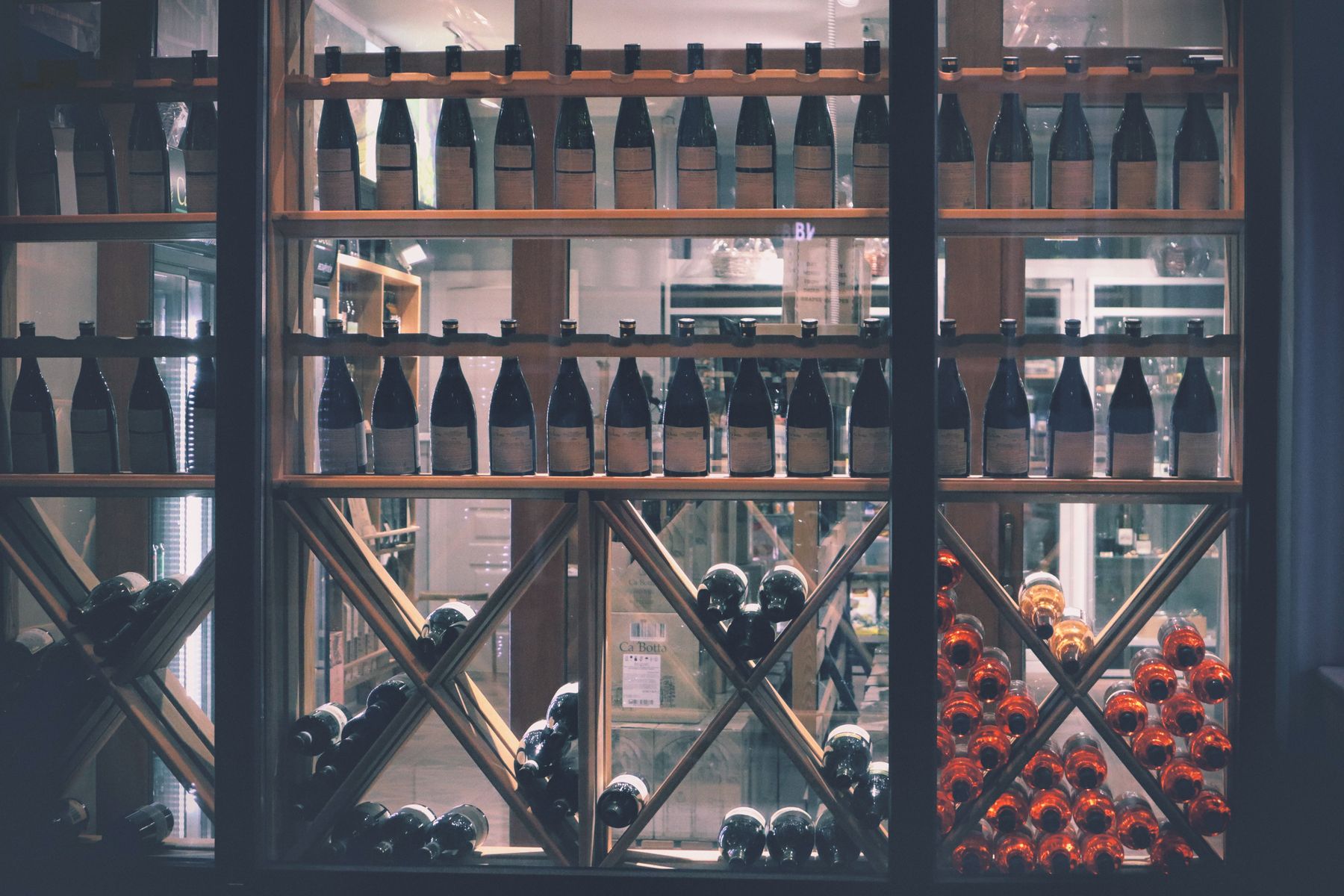
A kiddush pour, a Pesach case and a bottle for your father-in-law are three different problems, so here are the kosher wine brands that matter grouped by the job they do. Under $20: Barkan, Carmel, Kedem, Bartenura and Baron Herzog. The middle ground at $20 to $30: Dalton, Teperberg, Herzog and Binyamina. For when it matters: Yarden, Shiloh and Psagot. Real prices on every one, plus the question that matters more than the brand name - whether you need mevushal.
-

Carmel Winery Guide: Every Range, From King David to Limited Edition
Carmel makes the sweet Concord your grandparents used for kiddush and a ninety dollar Bordeaux blend, both under one label. Here is the whole ladder, tier by tier.
-

The Barkan Range Explained: Classic, Platinum and Superieur
Barkan is one of the most searched names on our site, and the tiers confuse people. Here is what Classic, Platinum and Superieur actually mean, what each costs and which one to buy.
-

Kosher Shiraz: What It Tastes Like and Which Bottle to Buy
Shiraz and Syrah are the same grape with two names. Here is what it tastes like, why Israel does it so well, and the bottles worth buying from $13.99 to $62.99.
-

Katlav Winery: A Guide to the Judean Hills Boutique
Katlav is one of Israel's original boutique wineries - a small operation in Nes Harim, high in the Judean Hills, run by an architect who learned winemaking from a neighbour. Here is the range and where to start.