
Dalton Winery: The Upper Galilee Range, Explained
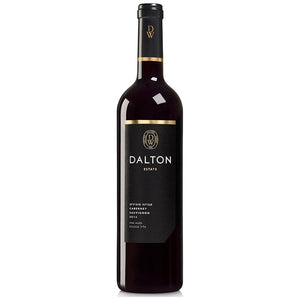
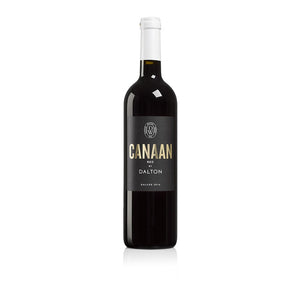
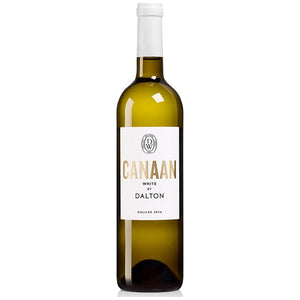
Dalton is a family winery in Israel's Upper Galilee, and it makes more different wines than almost any other Israeli name on a kosher shelf. That is the problem with it. Walk up to twenty Dalton bottles, from the everyday Canaan to the Matatia flagship, and nothing on the labels tells you how they rank. Every bottle below links to its page with today's price.
They do rank, in a straight line, and once you know the four names you can read the entire shelf: Canaan, Estate, Alma, Reserve, with the single-vineyard bottles sitting above all of them.
Who makes Dalton wine
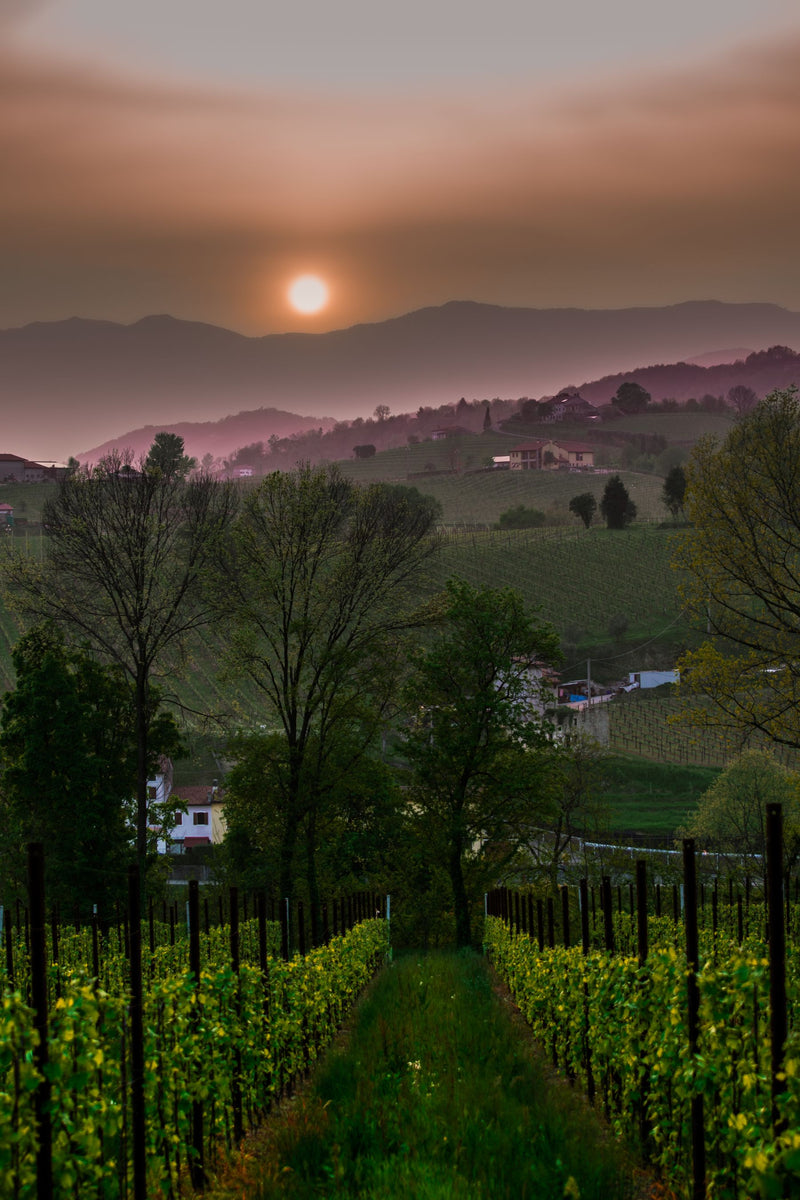
The Haruni family founded the winery in 1995 near Kerem Ben Zimra, high in the Upper Galilee close to the Lebanese border. Alex Haruni runs it. The vineyards sit at altitude, which is the whole point of the place: the days get hot enough to ripen the fruit fully and the nights get cold enough to keep the acidity, so the wines come out ripe without going flabby.
Dalton was also early to plant Mediterranean grapes in Israel, Grenache, Mourvèdre and Petite Sirah, at a time when most Israeli wineries were planting Bordeaux varieties and nothing else. That is why the range has a Rhône character running through part of it, which you do not find at every Israeli winery. The region itself is covered in our guide to Israel's wine regions.
The Dalton tiers, entry to top
| Tier | Where it sits | Buy it for |
| Canaan | Entry price | The house bottle, poured freely, not studied |
| Yuvalim | One step up | An everyday Cabernet one step up from Canaan |
| Estate | Middle of the range | The real range: one grape, one Galilee vineyard, dry |
| Alma | Upper middle | Blends, where the winemaker balances the vintage |
| Reserve | Upper | Old vines, longer in French oak, built to keep |
| Single Vineyard | Upper to the very top | One named plot, bottled only in the right years |
Canaan: the house wine
Canaan Red is the one most people have had. It is a Galilee blend built for the table: Shiraz brings the pepper, Cabernet the spine, Merlot the round middle, and a splash of Petite Sirah pushes the color and the finish. Medium body, soft tannins, sweet dark fruit, and it disappears at a Shabbos table without anyone remarking on it.
It is also mevushal, which makes it the Dalton to order for a catered event or any table where the bottle leaves your hand. Most of the rest of the range is not.
Canaan White is the same idea in white: a dry Galilee blend, citrus and green apple, 12.5%, meant to be kept cold and not thought about.
Yuvalim: the everyday Cabernet
Yuvalim Cabernet Sauvignon sits between Canaan and the Estate range. Blackcurrant and plum with a lift of cedar, medium-bodied, soft tannin, a whisper of vanilla oak. It is the weeknight Cabernet in the lineup, and it is listed kosher for Passover. If you want a Cabernet grounding first, there is what is Cabernet Sauvignon.
Estate: the heart of the range
This is where Dalton gets interesting. Estate wines are single-grape, grown on the winery's own Galilee vineyards, dry, and mostly French oak aged. They cost well under the Reserve bottles, which makes them a lot of wine for the money.
- Estate Cabernet Sauvignon M-Series. Single vineyard, French oak, black currant and cedar with firm tannin and a savory herbal edge. 14%. Non-mevushal, kosher for Passover.
- Estate Cabernet Sauvignon. The straightforward oaked Estate Cab: blackberry, plum, soft tannin, 13.5%.
- Estate Merlot. Softer and rounder than the Cabernet beside it. Ripe plum, blackberry, a hint of vanilla oak, gentle tannin, 13.5%. There is also a mevushal bottling for a simcha where the waiter pours. See what is Merlot.
- Estate Shiraz. Black plum, cracked pepper and smoked meat, full-bodied with rounded tannins. 14%, non-mevushal, kosher for Passover. Why the name changes country to country is in Syrah vs Shiraz.
- Estate Petite Sirah. The odd one out, grown in Shimshon on the Judean foothills rather than up in the Galilee. Inky, blueberry and black pepper, big grippy tannin. Pour it with something fatty. Background in what is Petite Sirah.
- Estate Grenache. 100% Grenache from the Upper Galilee, red cherry and raspberry with a whisper of black pepper. Light enough for chicken, structured enough for lamb. 14%. See what is Grenache.
- Estate Unoaked Chardonnay. Chardonnay with no oak on it, for anyone who wants the grape without the butter. See what is Chardonnay.
Dalton rosé, which is what most people are looking for
Dalton Estate Rosé is the single most searched bottle in the range, and it is worth the attention. Dalton farms high enough that the nights stay cold and the acidity survives, and the Estate Rosé is deliberately unoaked, which the label states outright: all fruit, no wood.
Strawberry, watermelon and a little citrus zest. Dry and crisp with clean red fruit and a bright refreshing finish, 12.5%. Drink it young and cold, and treat it as the newest bottle in the fridge rather than something to keep. It goes with salads, grilled chicken, falafel and mezze.
If you expected something sweet from a pink bottle, read is rosé sweet or dry. The rest of the pink shelf is at kosher rosé wine.
Alma: the blends
Alma is named for the moshav next to the winery, and it is where Dalton blends rather than bottling one grape. A blend gives the winemaker room to balance a vintage instead of being locked to a formula.
- Alma. Red and black berries with a light herbal note, supple and dry, moderate tannin. The house red of the Galilee. 14%.
- Alma Crimson. The Upper Galilee flagship blend: Cabernet Sauvignon leading, Petit Verdot for graphite and color, Petite Sirah for peppery mid-palate weight. Full-bodied, finely tannic, French oak fully absorbed, 14.5%. Decant it. This is the Yom Tov first-night bottle.
- Alma Scarlet. Dalton's Galilee take on a southern Rhône GSM: Grenache leading, Syrah for spine, Mourvèdre for the savory close. Blueberry, black pepper and garrigue herb, 14.5%.
Crimson and Scarlet are the same price and pull in opposite directions. Crimson is the Bordeaux answer, Scarlet is the Rhône one. If your table likes Cabernet, buy Crimson. If it likes pepper and herb, buy Scarlet.
Reserve: old vines, more oak
- Reserve Cabernet Sauvignon. Fruit off the winery's own high vineyards near the Lebanese border. Blackcurrant, bay leaf and cedar, structured and dry with a long firm finish, 14%. Open it half an hour early.
- Reserve Shiraz. Old-vine plots, twelve-plus months in French oak. Blackberry, plum, black pepper, smoked meat and a wisp of dried violet, 14.5%. Our wider picks are in the best kosher Shiraz.
- Estate Reserve Cabernet Sauvignon, mevushal. The one serious Dalton Cabernet that is mevushal, for a bar mitzvah or sheva brachos where the host does not want to drop quality just because a waiter is pouring.
Single vineyard, and the top of the range
Above Reserve, Dalton bottles individual plots under their own names, only in years that earn it.
- Single Vineyard Meron Cabernet Sauvignon. From the cool foothills of Mount Meron, with a eucalyptus and mint thread over textbook Galilee Cabernet structure. 14.5%.
- Single Vineyard Zivon Cabernet Sauvignon. A small Upper Galilee parcel picked and vinified on its own. Concentrated and tight, with a long mineral finish. 14%. Decant it, or keep it a year or two.
- Matatia Cabernet Sauvignon. The memorial flagship, named for founder Mati Haruni, from a hillside block in the Upper Galilee. Blackcurrant, dark plum, cedar and a wisp of tobacco, dense fruit in well-integrated tannin. 14.5%.
- 20th Anniversary. A special-edition Bordeaux blend of Cabernet, Merlot and Petit Verdot released to mark two decades. Cassis, black cherry, cedar and a curl of graphite, built for cellaring. 14.5%. This is the bottle people are looking for when they search for a Dalton special edition.
The sparkling and sweet corner
Two of these are unusual enough to be worth a sentence each.
- Pet Nat. An ancestral-method sparkling wine, Semillon with a Muscat lift, bottled mid-fermentation so the bubbles are born in the bottle. Peach and orange blossom, off-dry and playful, 12%. It is one of very few kosher pet-nats made. See what is pet nat wine.
- Pet Nat Rosé. The pink version: blood orange, strawberry and raspberry, dry, unfiltered and a touch cloudy on purpose, 11%.
- Pink Moscato. The one sweet Dalton. Twenty-four hours of skin contact for the blush color, fermentation stopped at barely 5% alcohol, lightly fizzy. Peach, orange blossom and candied strawberry. Mevushal, and built for a dessert table rather than dinner.
Which Dalton should you buy?
- A regular Shabbos table: Canaan Red, and keep a second bottle in the house.
- A catered simcha: Estate Merlot mevushal, or the Estate Reserve Cabernet mevushal if the table is a serious one.
- The first bottle that shows you what Dalton can do: Estate Shiraz.
- Something nobody at the table has had: Estate Grenache or the Pet Nat.
- Yom Tov, first night: Alma Crimson, decanted.
- A gift for someone who knows wine: Zivon or the 20th Anniversary.
The full shelves: Dalton red wine, Dalton white wine and Dalton rosé. For how Dalton sits against the rest of the country, see the best Israeli red wines and the whole kosher Israeli wine shelf. Pairing help is in kosher wine and meat pairing and what wine goes with cholent.
Free shipping on orders $150+ in the lower 48.